Love this? Pin it for later! 📌
Batch-Cooking-Friendly Carrot & Parsnip Purée with Fresh Thyme
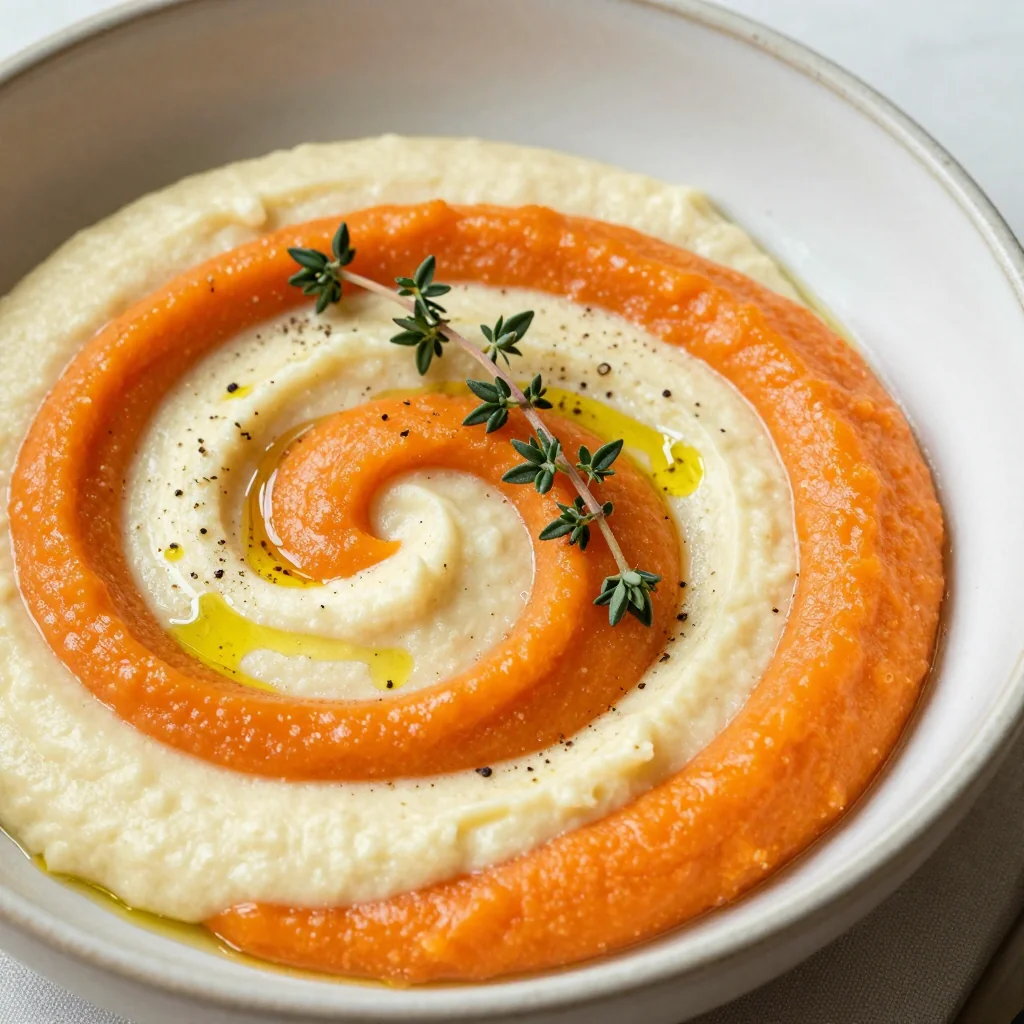
Velvety, subtly sweet, and scented with garden-fresh thyme—this make-ahead purée is the sunshine-colored side dish that will rescue busy weeknight dinners and elegant Sunday roasts alike.
A Love Letter to the Humble Root Vegetable
My grandmother kept a tiny herb garden behind her Yorkshire cottage, and the first frost of the year always sent her rushing out with her wicker trug to rescue the last sprigs of thyme before winter claimed them. She’d spend the afternoon scrubbing carrots and parsnips—never peeling them, insisting the skins held the flavor—then simmering them in well-salted water until the kitchen smelled like earth and honey. The resulting purée was nothing like the baby food I’d expected: it was silky, sophisticated, and the shade of sunrise. We’d eat it alongside roast chicken, or stirred into mashed potatoes, or—if no one was looking—straight from the pot with a spoon.
Years later, when life got hectic with three kids, a dog, and a never-ending carousel of after-school activities, I found myself channeling Nana. I needed sides that could be made on Sunday and reheated without turning into orange cement. I wanted freezer-friendly, nutrient-dense, and—above all—delicious. After countless batches (and a few volcanic blender mishaps), I landed on this version: a carrot-and-parsnip purée that stays creamy even after thawing, scented with just enough thyme to make the vegetables sing. It’s become my secret weapon for batch cooking, holiday tables, and every Tuesday in between.
Why This Recipe Works
- Batch-cooking champion: makes 8 generous portions that freeze and reheat like a dream—no grainy texture, no separation.
- One-pot wonder: everything cooks in the same saucepan, so you’re left with minimal dishes and maximum flavor.
- Restaurant velvety: the secret is a splash of oat milk and a dollop of crème fraîche—together they emulsify into cloud-like silk.
- Naturally sweet, zero added sugar: roasting the vegetables first concentrates their sweetness; thyme balances it with gentle pine notes.
- Vitamin powerhouse: beta-carotene from carrots, potassium from parsnips, and antioxidants from thyme—nutrition disguised as comfort food.
- Versatile serving options: swirl into pasta, spread under crispy fish, or thin with broth for an instant soup.
Ingredients You'll Need
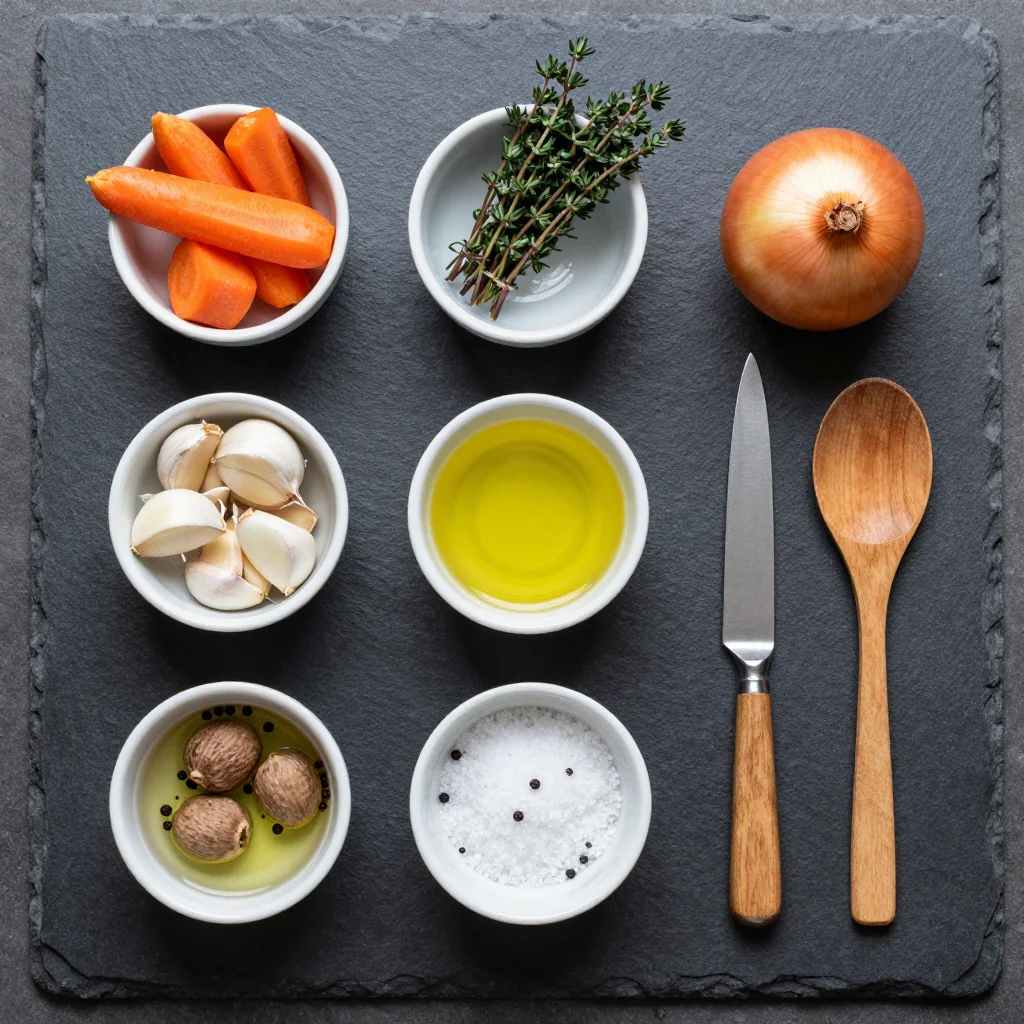
Before we dive into the method, let’s talk produce. Because when a recipe contains only seven core ingredients, every single one has to earn its keep.
Carrots – Look for bunches with bright, firm skins and no green “shoulders.” If you can find heritage rainbow carrots, go for it—the purple ones add an earthy depth—but standard orange work beautifully. Buy them loose so you can pick similarly sized specimens; that way they roast evenly.
Parsnips – Choose small-to-medium roots: large parsnips can be woody in the center. The tip should still be attached; if it’s snapped off, the flesh may be dry. A light frost sweetens them, so late-autumn parsnips are gold.
Fresh thyme – The leaves should feel slightly sticky and smell strongly of lemon and pine. Avoid bunches with black spots or limp stems. If your garden is still producing, strip the tiny leaves off the stems; otherwise, supermarket sprigs are fine.
Unsalted butter – European-style (82 % fat) gives the richest flavor, but standard American butter works. Coconut oil is a fine dairy-free swap if you love its aroma; otherwise use a neutral olive oil.
Oat milk – I prefer unsweetened, unflavored oat milk for its natural sweetness and creamy body. Almond milk can turn a little bitter when heated, and soy can curdle with the lemon, so oat is the safest batch-cooking choice.
Crème fraîche – Tangy, thick, and almost indestructible under heat. If you can’t find it, full-fat Greek yogurt works, but add it off the heat to prevent curdling. Vegans can substitute coconut cream plus ½ tsp cider vinegar for brightness.
Lemon zest – Organic, unwaxed fruit if possible. The essential oils live in the colored rind, not the bitter pith, so zest only the yellow (or orange) surface.
How to Make batch cooking friendly carrot and parsnip puree with fresh thyme
Heat the oven & prep the veg
Preheat to 400 °F (205 °C). Scrub carrots and parsnips; trim tops and tails. Cut into 2-inch chunks so they roast quickly and evenly. Toss with 1 Tbsp olive oil, ½ tsp kosher salt, and a few grinds of black pepper. Spread on a parchment-lined half-sheet pan in a single layer—crowding equals steaming, and we want caramelization.
Roast until the edges blister
Slide the tray into the middle rack and roast 25–30 min, turning once, until the vegetables are knife-tender and the tips are deep gold. This Maillard magic concentrates sweetness and adds nutty complexity you simply can’t get from boiling.
Bloom the thyme
While the veg roasts, melt 2 Tbsp butter in your soup pot over medium-low heat. Strip in the leaves of 4 thyme sprigs (about 2 tsp). Let them sizzle for 60 seconds until the butter smells like a pine forest in July. Remove from heat temporarily so the herbs don’t burn.
Deglaze & simmer
Tip the roasted vegetables into the pot. Add 1 cup vegetable stock (or water) and bring to a gentle boil. Reduce to a simmer for 5 minutes; this loosens the fond from roasting and lets the thyme infuse every cube of carrot and parsnip.
Blend until glass-smooth
Remove the center knob from your blender lid, cover with a folded tea towel, and purée in batches. Start on low, then slowly pour in ½ cup warm oat milk followed by ¼ cup crème fraîche. The combination emulsifies into velvet. No blender? Use an immersion stick directly in the pot, though you’ll want to tilt it for the vortex.
Season smartly
Return the purée to low heat. Add ½ tsp kosher salt, ¼ tsp white pepper, and the zest of ½ lemon. Taste. Carrots vary in sweetness; if the purée seems flat, add a pinch more salt or a squeeze of lemon juice for brightness. If it’s too tart, a tiny drizzle of maple syrup balances without making it dessert-like.
Portion for batch cooking
Ladle the hot purée into 1-cup glass jars or silicone muffin trays (each muffin cup = one adult portion). Cool 20 minutes, then refrigerate uncovered 30 minutes to avoid condensation. Seal and refrigerate up to 4 days, or freeze up to 3 months.
Reheat without losing silkiness
From fridge: microwave 60–90 seconds with a loose lid, stir halfway. From frozen: thaw overnight, then warm gently with a splash of oat milk. Whisk or immersion-blitz for 5 seconds to restore the just-made texture.
Expert Tips
Roast, don’t boil
Waterlogged vegetables make watery purée. Roasting drives off excess moisture and concentrates sugars.
Hot + cold = silky
Blend vegetables while still hot, but add room-temperature dairy. The temperature differential creates a stable emulsion.
Salt in layers
Salt the roasting oil, the simmer stock, and the final purée. Gradual salting builds depth rather than a salty surface.
Ice-cube herb bombs
Freeze extra thyme leaves in olive-oil ice cubes. Pop one into the purée when reheating for a fresh hit.
No blender? Rice first
Push hot veg through a potato ricer, then whisk in liquid. The texture is slightly rustic but still elegant.
Double-batch rule
If you’re turning on the oven, fill two trays and freeze half the veg. Next batch is twice as fast.
Variations to Try
-
Sweet potato swap – Replace half the parsnips with orange sweet potato for a deeper color and extra beta-carotene.
-
Ginger & miso twist – Add 1 tsp grated ginger to the thyme butter and whisk 1 tsp white miso into the oat milk for umami warmth.
-
Smoky chipotle – Blend in ½ tsp chipotle powder for a subtle smoky heat that pairs beautifully with grilled steak.
-
Vegan & coconutty – Swap butter for coconut oil and use coconut cream plus lemon juice in place of crème fraîche. The flavor leans tropical—excellent with jerk tofu.
-
Cheesy deluxe – Stir in ½ cup finely grated aged white cheddar just before serving for a mac-and-cheese vibe without the pasta.
Storage Tips
Refrigerator: Transfer cooled purée to airtight glass jars or deli containers. Press a piece of parchment directly onto the surface to prevent a skin forming. Refrigerate up to 4 days. Reheat gently with a splash of milk or stock, whisking to restore texture.
Freezer: Portion into Souper Cubes, muffin trays, or zip-top bags pressed flat for fast thawing. Label with the date and volume. Freeze up to 3 months. For best texture, thaw overnight in the fridge, then warm slowly. If the purée separates (rare), buzz with an immersion blender for 5 seconds.
Make-ahead party trick: Double the batch and freeze in ½-cup pucks. Drop a frozen puck into individual ramekins, top with a drizzle of herb oil, and you have elegant restaurant-style starters ready in under 5 minutes.
Frequently Asked Questions
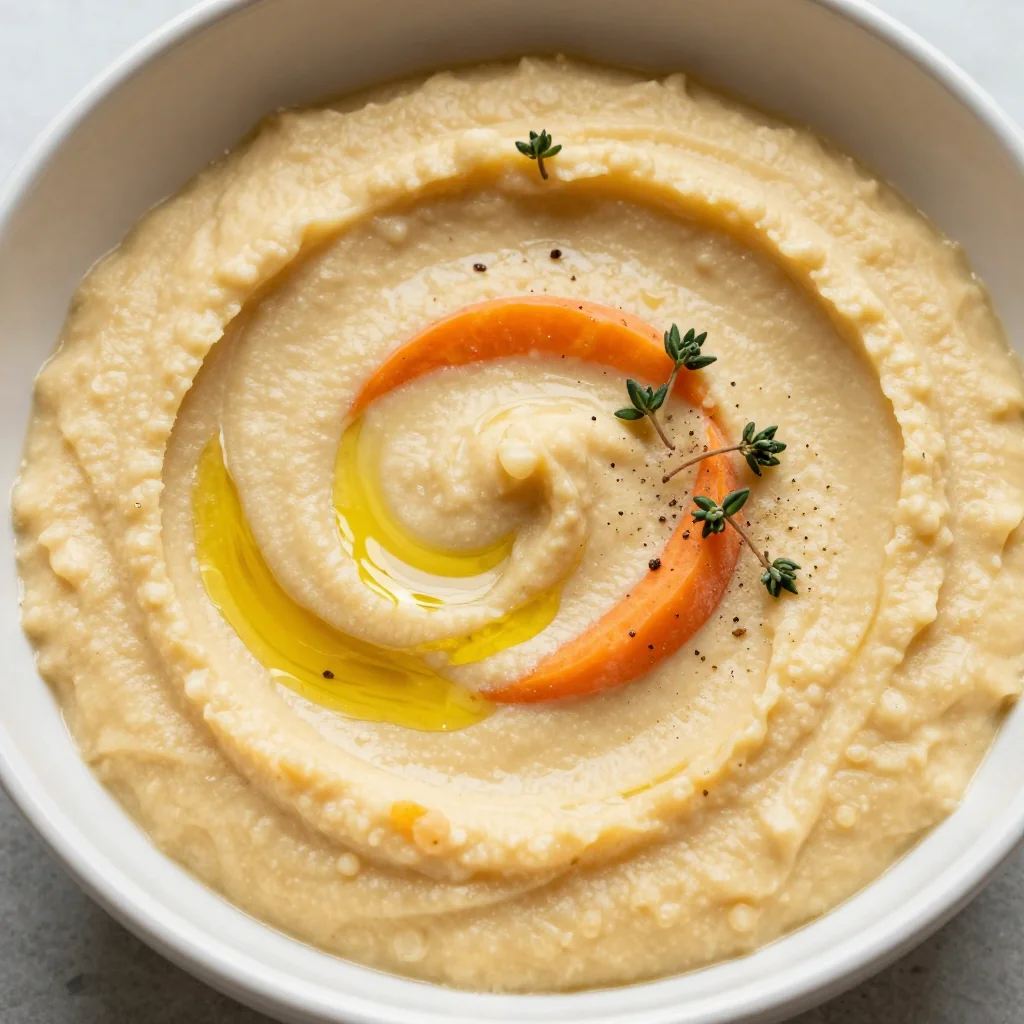
batch cooking friendly carrot and parsnip puree with fresh thyme
Ingredients
Instructions
- Preheat oven: Heat to 400 °F (205 °C). Toss carrots and parsnips with 1 Tbsp olive oil, salt, and pepper. Roast 25–30 min until caramelized.
- Bloom thyme: Melt butter in a soup pot. Add thyme leaves; sizzle 60 seconds.
- Simmer: Add roasted veg and stock. Simmer 5 min to meld flavors.
- Blend: Purée hot vegetables with oat milk and crème fraîche until silky.
- Season: Stir in lemon zest, salt, and white pepper. Adjust to taste.
- Portion & store: Cool, then refrigerate up to 4 days or freeze up to 3 months.
Recipe Notes
For ultra-smooth restaurant texture, pass the purée through a fine-mesh sieve before serving. Reheat with a splash of oat milk to restore silkiness.