Love this? Pin it for later! 📌
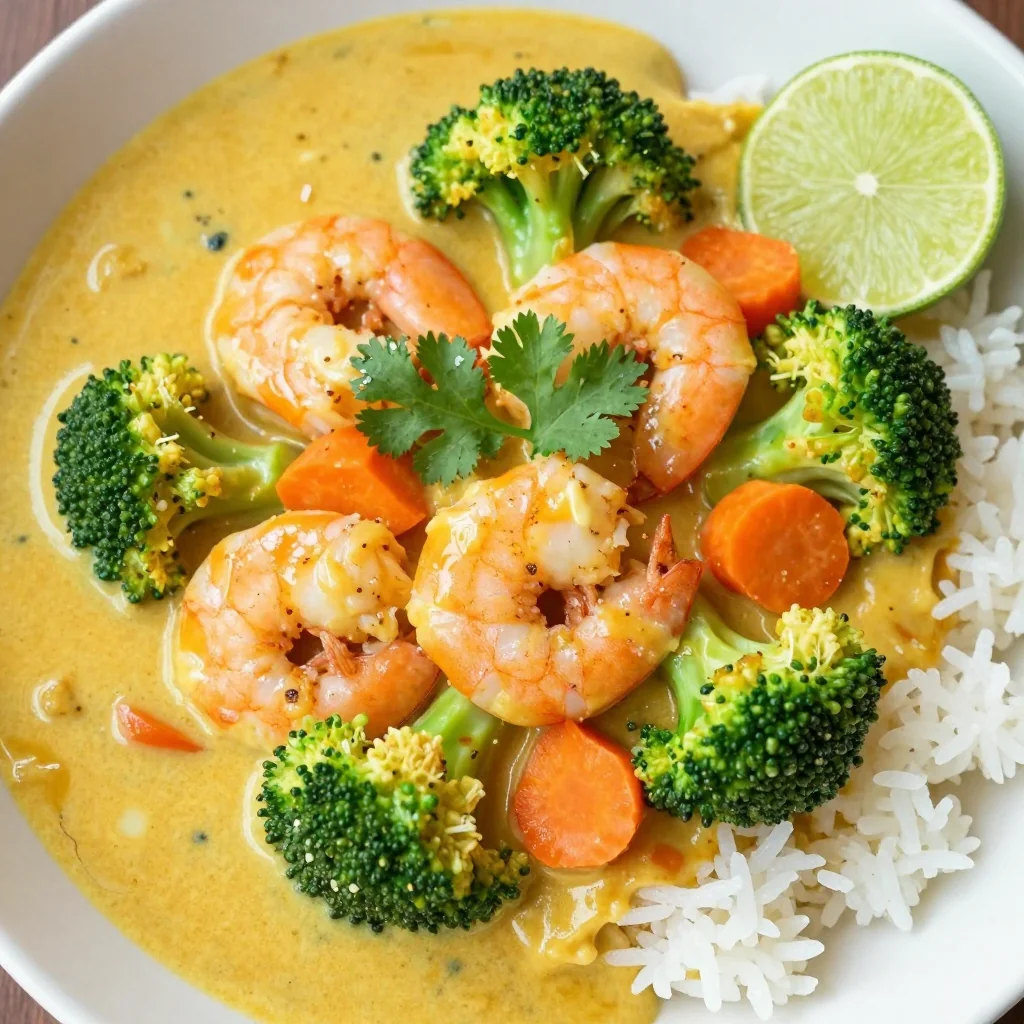
There's something magical about the way coconut milk transforms into a luxurious sauce when kissed with curry spices and paired with plump, tender shrimp. This Creamy Coconut Curry Shrimp With Vegetables has become my go-to recipe when I want to impress dinner guests but don't want to spend my entire evening in the kitchen. The first time I made it was for my mother's birthday dinner three years ago – she still talks about it every time we plan a family gathering!
What makes this recipe truly special is how it balances richness with brightness. The coconut cream provides that indulgent silkiness we all crave in a curry, while fresh vegetables add pops of color and texture that make each bite interesting. The shrimp cook quickly in the fragrant sauce, absorbing all those wonderful Thai-inspired flavors while maintaining their delicate sweetness.
I love serving this dish when friends come over because it's naturally gluten-free, can be made dairy-free (using coconut oil instead of butter), and feels incredibly restaurant-quality despite taking less than 30 minutes from start to finish. Plus, the vibrant colors make for such a beautiful presentation that people always assume you've spent hours preparing it.
Why This Recipe Works
- One-Pan Wonder: Everything cooks in a single skillet, making cleanup a breeze while building layers of flavor.
- Quick Cooking: From prep to plate in under 30 minutes, perfect for busy weeknights or last-minute entertaining.
- Restaurant Quality: The combination of fresh aromatics and quality coconut milk creates a sauce that rivals your favorite Thai restaurant.
- Customizable Heat: Adjust the spice level from mild to fiery hot simply by varying the amount of curry paste and chili.
- Make-Ahead Friendly: The sauce base can be prepared up to 3 days ahead, making dinner service incredibly smooth.
- Nutrient Dense: Packed with vegetables like bell peppers, snap peas, and carrots for a well-balanced meal.
Ingredients You'll Need
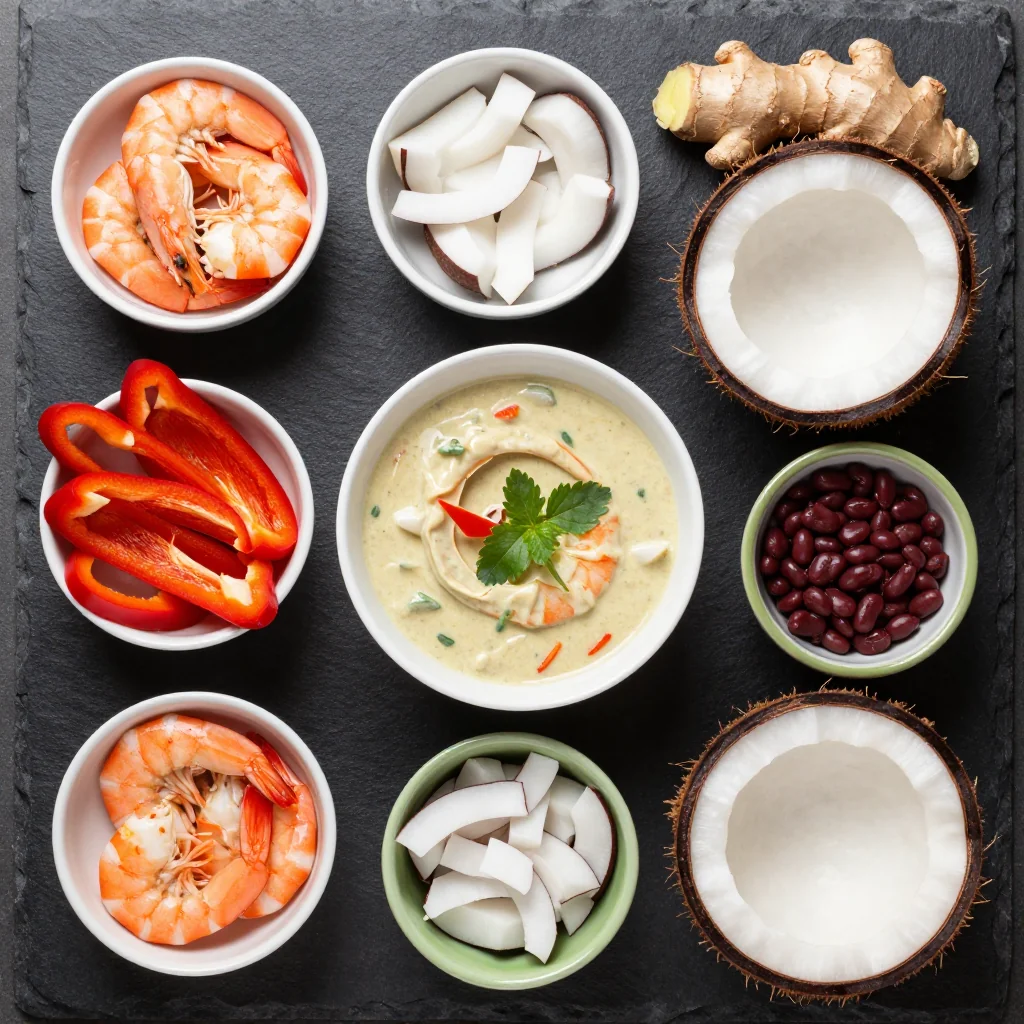
The beauty of this recipe lies in its simplicity – just 15 ingredients create an incredibly complex and satisfying dish. Let's break down what makes each component essential and how to choose the best quality ingredients for restaurant-worthy results.
Shrimp: Look for large or extra-large shrimp (21-25 count per pound) that are wild-caught when possible. I prefer buying them peeled and deveined to save time, but leaving the tails on creates a more elegant presentation. If using frozen shrimp, ensure they're completely thawed and patted dry to prevent excess water from diluting your beautiful sauce.
Coconut Milk: This is not the time for light coconut milk! Full-fat coconut milk (not cream) creates that luxurious, silky texture we want. I recommend Thai Kitchen or Native Forest brands for their consistent quality. Shake the can vigorously before opening to reincorporate the cream and liquid.
Red Curry Paste: The heart of the dish! Thai Kitchen makes a good supermarket version, but if you have access to an Asian market, brands like Mae Ploy or Maesri offer more authentic flavor. The paste should smell fragrant and complex, not just spicy.
Vegetables: A colorful mix of red bell pepper, snap peas, and carrots not only creates visual appeal but also provides varied textures. The bell pepper adds sweetness, snap peas offer crunch, and carrots bring an earthy balance. You could also substitute with zucchini, broccoli florets, or baby corn.
Aromatics: Fresh garlic, ginger, and shallots form the flavor base. Don't be tempted to use powdered versions – the fresh aromatics bloom beautifully in the coconut oil and create the foundation of flavor. The lemongrass is optional but adds an incredible citrusy note that's worth seeking out.
Lime: Both the zest and juice brighten the rich coconut sauce. I also love adding lime leaves if available – they provide an intense, almost floral lime flavor that's incomparable.
Fish Sauce: Don't skip this! It adds an irreplaceable umami depth that makes the dish taste authentic. Start with less and add more to taste – it should enhance, not overpower.
How to Make Creamy Coconut Curry Shrimp With Vegetables
Prep Your Ingredients
Mise en place is crucial here since the cooking moves quickly. Peel and devein shrimp if needed, pat completely dry with paper towels, and season with 1/2 teaspoon salt and 1/4 teaspoon white pepper. Julienne the bell pepper into thin strips, diagonally slice the snap peas, and cut carrots into matchsticks. Mince the garlic and ginger, thinly slice the shallot, and if using lemongrass, remove the tough outer layers and finely mince the tender inner core.
Create the Flavor Base
Heat 2 tablespoons coconut oil in a large, heavy-bottomed skillet or Dutch oven over medium heat. When the oil shimmers and a piece of shallot sizzles immediately, add the remaining shallot, garlic, ginger, and lemongrass. Sauté for 2-3 minutes, stirring frequently, until fragrant and just beginning to turn golden at the edges. Be careful not to let the aromatics burn – adjust heat if necessary.
Bloom the Curry Paste
Add 2-3 tablespoons red curry paste (depending on your heat preference) to the aromatics. Stir constantly for 1-2 minutes until the paste is fragrant and beginning to darken slightly. This step is crucial – toasting the paste in the oil releases its essential oils and deepens the flavor. You'll know it's ready when your kitchen smells like a Thai restaurant!
Build the Sauce
Pour in the coconut milk (shaken well) and 1 cup of chicken or vegetable stock. Add 2 teaspoons fish sauce, 1 tablespoon brown sugar, and 3 lime leaves if using. Bring to a gentle simmer, stirring to combine all the flavors. Reduce heat to low and let the sauce simmer for 5 minutes to meld the flavors. Taste and adjust seasoning – you want a balance of salty, sweet, and spicy.
Cook the Vegetables
Add the carrots first since they take longest to cook. Simmer for 3 minutes, then add the bell pepper strips. After 2 more minutes, add the snap peas. Each vegetable should retain some bite – you want them tender-crisp, not mushy. The sauce will begin to thicken slightly from the vegetables' natural starches.
Add the Shrimp
Increase heat to medium and gently nestle the shrimp into the sauce in a single layer. They'll cook quickly – about 2-3 minutes per side. Turn them when they turn pink and opaque halfway up. Overcooked shrimp become rubbery, so watch carefully. The sauce will continue to thicken as the shrimp release their juices.
Finish and Serve
Remove from heat and stir in the lime zest and juice. Let rest for 2 minutes – the sauce will thicken to a velvety consistency that coats the back of a spoon. Garnish with fresh cilantro, sliced red chili for extra heat, and serve immediately over jasmine rice or rice noodles.
Expert Tips
Temperature Control
Keep the sauce at a gentle simmer, not a rolling boil. High heat can cause the coconut milk to separate and become grainy. If this happens, whisk vigorously or blend briefly with an immersion blender.
Shrimp Drying
Pat shrimp completely dry with paper towels before seasoning. Excess moisture will steam the shrimp instead of searing them, resulting in a watery sauce and rubbery texture.
Make-Ahead Sauce
The curry sauce base can be prepared up to 3 days ahead and refrigerated. Simply reheat gently and add fresh shrimp when ready to serve – perfect for entertaining!
Flavor Boost
Add a teaspoon of shrimp paste or anchovy paste with the curry paste for incredible depth. A splash of Thai basil oil just before serving adds an extra layer of authentic flavor.
Consistency Control
If the sauce becomes too thick, thin with coconut milk or stock. Too thin? Simmer uncovered for a few minutes or add a cornstarch slurry (1 tsp cornstarch + 1 tbsp water).
Vegetable Timing
Add vegetables in order of cooking time: carrots first, then bell peppers, snap peas last. This ensures everything is perfectly tender without overcooking any single ingredient.
Variations to Try
Green Curry Version
Substitute green curry paste for red and add Thai eggplant, bamboo shoots, and sweet basil. The green version has a fresher, more herbaceous flavor profile that's equally delicious.
Mild Yellow Curry
Use yellow curry paste and add potatoes for a milder, more comforting version. Perfect for kids or those sensitive to spice. Add a touch of cinnamon for warmth.
Mixed Seafood
Replace half the shrimp with scallops, mussels, or firm white fish. Add mussels first as they take longest, then scallops and fish, with shrimp added last.
Vegetarian Option
Substitute shrimp with firm tofu cubes or tempeh. Use vegetable stock and add mushrooms for umami. The sauce is so flavorful you won't miss the seafood!
Storage Tips
Refrigerator Storage
Store leftover curry in an airtight container in the refrigerator for up to 3 days. The flavors actually improve overnight! Keep the rice separate to prevent it from becoming mushy. When reheating, add a splash of coconut milk or stock to loosen the sauce, as it will thicken considerably when chilled.
Freezer Instructions
While you can freeze this curry, the texture of the shrimp will change and the coconut milk may separate. If you must freeze, do so without the shrimp. Freeze the sauce and vegetables for up to 2 months. When ready to serve, thaw overnight in the refrigerator, reheat gently, and add fresh shrimp during the final cooking step.
Reheating Methods
For best results, reheat gently on the stovetop over medium-low heat, stirring frequently. Add liquid as needed. Microwave reheating works in a pinch – use 50% power and stir every 30 seconds to prevent hot spots and sauce separation. Never reheat shrimp more than once.
Frequently Asked Questions
I don't recommend light coconut milk for this recipe. The sauce relies on the fat content of full-fat coconut milk to create its luxurious texture and carry the flavors. Using light coconut milk will result in a thin, watery sauce that separates easily. If you're concerned about calories, try using 3/4 cup full-fat coconut milk plus 1/4 cup stock instead.
With 2 tablespoons of red curry paste, this recipe is moderately spicy – about a 6/10 on my heat scale. To make it milder, start with 1 tablespoon of curry paste and add more to taste. For extra heat, add fresh chili or additional curry paste. Remember, you can always add more spice but can't take it away!
If you can't find red curry paste, you can make a simplified version by blending 2 tablespoons red chili flakes, 1 tablespoon coriander seeds, 1 teaspoon cumin, 2 cloves garlic, 1 stalk lemongrass (or 1 teaspoon lemon zest), 1 tablespoon ginger, and 2 tablespoons neutral oil. It won't be identical but will still be delicious. Yellow or green curry paste also works as a substitute.
Absolutely! This is actually an excellent dinner party dish. Prepare the sauce base (through step 4) up to 3 days ahead and refrigerate. When guests arrive, simply reheat the sauce and add the vegetables and shrimp for fresh, perfectly cooked seafood. Keep rice warm in a rice cooker or prepare just before serving.
The coconut curry pairs beautifully with off-dry Riesling, Gewürztraminer, or a crisp Sauvignon Blanc. For red wine lovers, a light-bodied Pinot Noir works surprisingly well. If you prefer beer, try a wheat beer or a not-too-hoppy pale ale. The key is avoiding anything too tannic or high in alcohol.
Shrimp cook incredibly quickly – they're done when they turn pink and opaque, forming a loose "C" shape. If they curl into a tight "O," they're overcooked. Remove the pan from heat as soon as they're done; residual heat will finish the cooking. For insurance, you can cook them 80% through, remove to a plate, then return for the final minute with the lime juice.
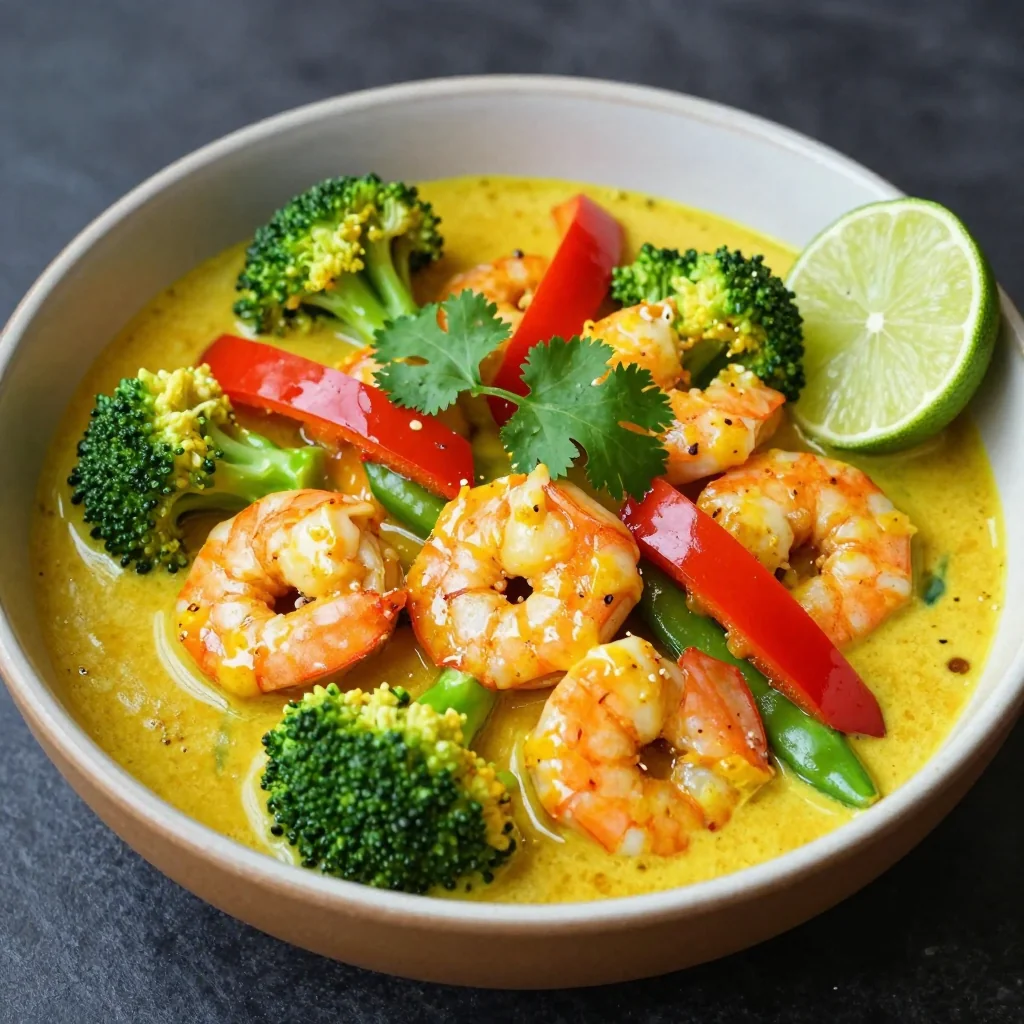
Creamy Coconut Curry Shrimp With Vegetables
Ingredients
Instructions
- Prep shrimp: Pat shrimp completely dry and season with salt and pepper. Prepare all vegetables and aromatics before starting to cook.
- Sauté aromatics: Heat coconut oil in a large skillet over medium heat. Cook garlic, ginger, and shallot for 2-3 minutes until fragrant.
- Add curry paste: Stir in red curry paste and cook for 1-2 minutes until fragrant, stirring constantly.
- Build sauce: Pour in coconut milk and stock, add fish sauce and brown sugar. Simmer 5 minutes.
- Cook vegetables: Add carrots and simmer 3 minutes, then add bell pepper for 2 minutes, finally add snap peas.
- Add shrimp: Nestle shrimp into the sauce and cook 2-3 minutes per side until pink and cooked through.
- Finish and serve: Remove from heat, stir in lime zest and juice. Garnish with cilantro and serve immediately over rice.
Recipe Notes
For best results, use fresh, high-quality ingredients. The curry paste amount can be adjusted for your preferred spice level. Serve with jasmine rice or rice noodles.