Love this? Pin it for later! 📌
I still remember the first time I served this lemon garlic roasted winter squash and sweet potatoes to my in-laws on a chilly November evening. The kitchen was warm from the oven, the citrusy aroma mingling with earthy thyme and roasting vegetables, and my mother-in-law—who swore she "didn't like squash"—asked for seconds. That moment cemented this dish as our go-to winter comfort food.
What started as a desperate attempt to use up an overabundant CSA box has become the most-requested side dish at every family gathering from October through March. The magic lies in the contrast: bright lemon and pungent garlic cutting through the natural sweetness of roasted vegetables, while a touch of maple syrup caramelizes the edges into irresistible golden nuggets. It's elegant enough for holiday tables yet simple enough for Tuesday night dinners when you want something nourishing without fuss.
Over the years, I've perfected the timing so every cube emerges tender inside and crispy outside, developed a seasoning blend that makes even squash-skeptics converts, and discovered countless ways to transform leftovers into entirely new meals. Whether you're feeding picky toddlers or sophisticated palates, this recipe delivers that coveted balance of healthy, hearty, and absolutely delicious.
Why This Recipe Works
- One-pan wonder: Everything roasts together on a single sheet pan, minimizing dishes while maximizing flavor through caramelization.
- Perfect texture contrast: High-heat roasting creates crispy edges while maintaining creamy centers in every bite.
- Make-ahead friendly: Prep vegetables up to 3 days ahead; the flavor actually improves as the marinade penetrates deeper.
- Customizable to seasons: Swap in any winter squash variety or add root vegetables like parsnips or carrots.
- Family-approved nutrition: Packed with beta-carotene, fiber, and complex carbs that keep everyone satisfied.
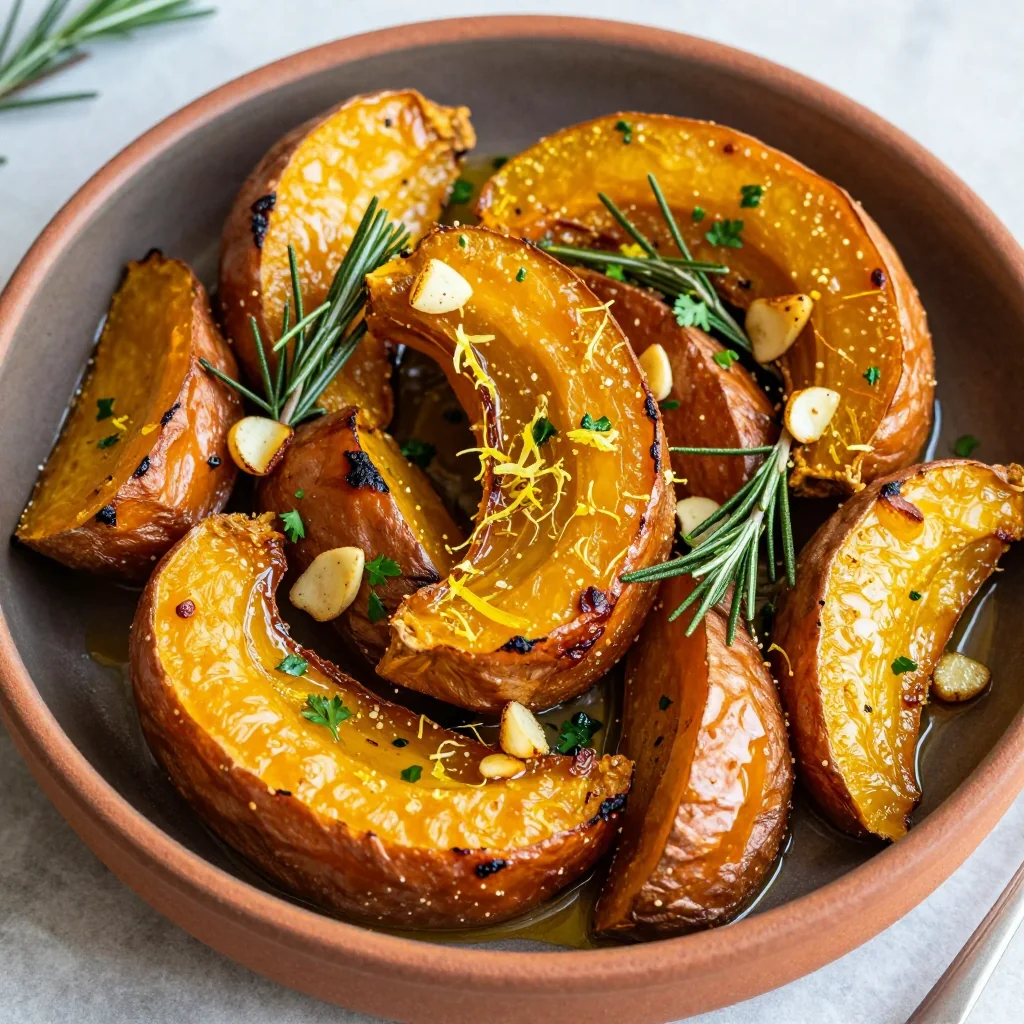
- Holiday-worthy presentation: The jewel-toned vegetables with caramelized edges look stunning on any table.
Ingredients You'll Need
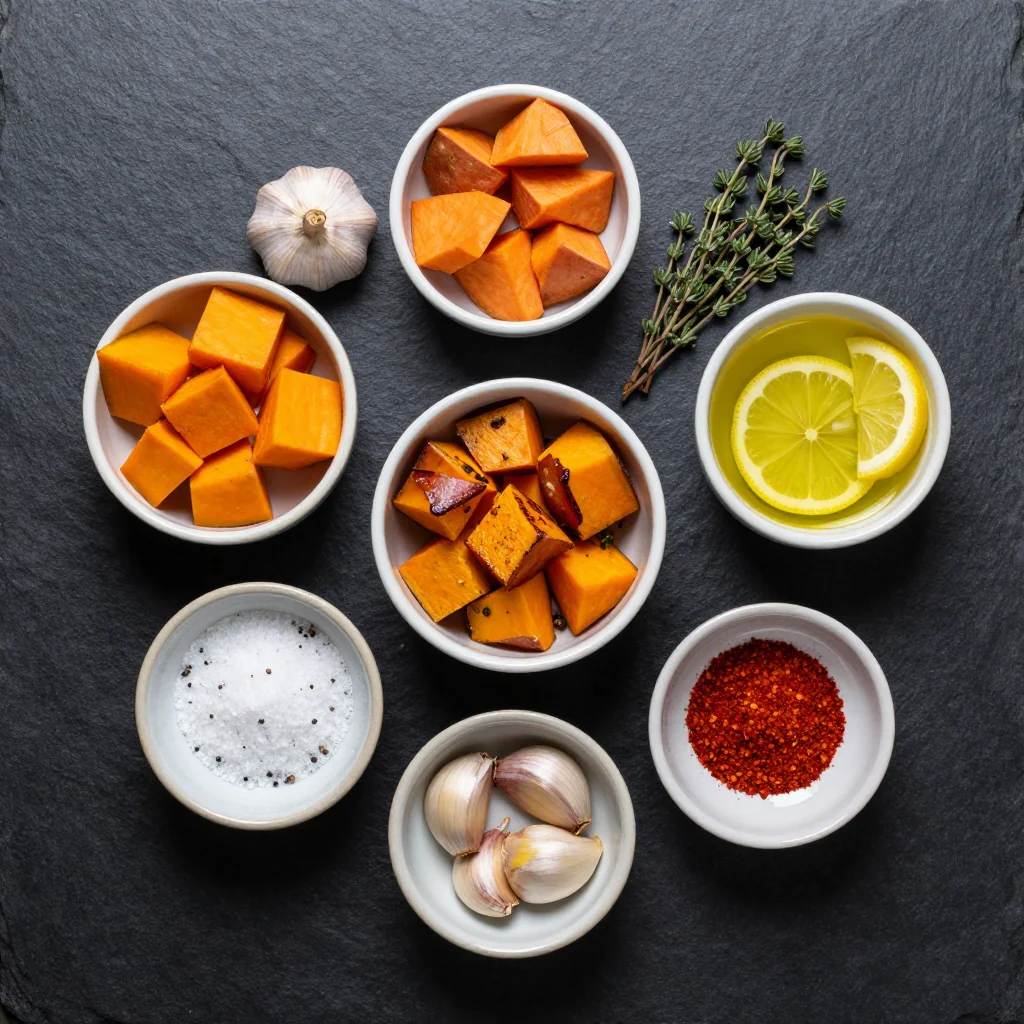
This recipe celebrates winter produce at its peak, so sourcing quality ingredients makes all the difference. Look for heavy, dense squash with matte skin (shiny indicates it was picked too early) and firm sweet potatoes without soft spots or sprouts.
Butternut squash forms the backbone of this dish, offering that perfect balance of sweetness and nuttiness. When selecting, choose one with a long, thick neck and small bulb—this gives you more usable flesh. If you're short on time, many stores sell pre-peeled and cubed butternut squash, though I find cutting it yourself yields better texture. For variety, try swapping in half butternut and half acorn squash for deeper flavor complexity.
Sweet potatoes should be the orange-fleshed variety (often mislabeled as yams) rather than the pale, drier ones. The natural sugars concentrate during roasting, creating those coveted caramelized edges. I prefer medium-sized sweet potatoes about 2-3 inches in diameter—larger ones can be woody in the center. Don't peel them! The skins become deliciously crispy and add nutrients and fiber.
Fresh lemon provides the bright contrast that elevates this from simple roasted vegetables to something memorable. You'll need both zest and juice—the zest infuses the oil with essential oils, while the juice balances the sweetness. Meyer lemons work beautifully if available, offering a more floral, less acidic note.
Garlic gets mellowed and slightly sweet during roasting, but don't skimp. I use a generous amount, minced fine so it distributes evenly and doesn't burn. Fresh garlic is crucial here; the pre-minced jarred variety won't deliver the same depth.
Fresh herbs—specifically thyme and rosemary—complement the earthy vegetables. Strip the leaves from woody stems; tender thyme stems can stay intact. In summer, I add fresh sage leaves that crisp into herbal chips.
Extra virgin olive oil carries all the flavors and ensures proper caramelization. Don't use your most expensive finishing oil, but do choose one with good flavor. The vegetables should be glossy but not swimming in oil.
Maple syrup might seem unnecessary with naturally sweet vegetables, but just a tablespoon encourages deeper caramelization and adds complex notes that sugar alone can't achieve. Grade B (now called Grade A Dark) provides more robust flavor than delicate Grade A Golden.
How to Make lemon garlic roasted winter squash and sweet potatoes for family meals
Prep and marinate vegetables
Preheat your oven to 425°F (220°C) with the rack positioned in the center. This high temperature is crucial for achieving caramelization without drying out the vegetables. While the oven heats, peel and cube the butternut squash into 1-inch pieces, ensuring consistent sizing for even cooking. Cube sweet potatoes into slightly larger 1¼-inch pieces—they cook faster than squash, so the size difference helps them finish simultaneously. In a large bowl, whisk together olive oil, lemon zest and juice, minced garlic, maple syrup, salt, pepper, and chopped herbs. The acid from lemon juice helps tenderize the vegetables while infusing them with flavor. Add the cubed vegetables and toss until every piece is well-coated. Let marinate for at least 15 minutes while you prepare the baking sheet.
Prepare your baking surface
Line a large rimmed baking sheet with parchment paper or a silicone baking mat. The rim prevents vegetables from sliding off when you stir them, while the parchment ensures easy cleanup and prevents sticking. If using parchment, crumple it first—this makes it lay flat on the pan. For best results, use a half-sheet pan (13x18 inches) rather than crowding vegetables on a smaller pan. Crowding causes steaming rather than roasting, preventing those coveted caramelized edges. If doubling the recipe, use two pans rather than piling vegetables on one.
Arrange vegetables strategically
Spread the marinated vegetables in a single layer, ensuring pieces aren't touching. This might seem fussy, but proper spacing is the difference between steamed and caramelized vegetables. If pieces overlap, they'll release moisture and never develop those crispy edges. Place sweet potato pieces skin-side down when possible—the skin crisps beautifully. Reserve any marinade left in the bowl; you'll drizzle it over halfway through cooking. Tuck whole herb sprigs between vegetables for extra aromatics.
Roast with precision timing
Slide the pan into your preheated oven and roast for 15 minutes. This initial blast of heat starts caramelization. After 15 minutes, remove the pan and quickly flip or stir the vegetables with a thin spatula. Drizzle any reserved marinade over the top, focusing on pieces that look dry. Rotate the pan 180 degrees for even cooking—most ovens have hot spots. Return to the oven for another 10-15 minutes, depending on your preferred doneness. The vegetables are ready when edges are deeply caramelized and centers are tender when pierced with a fork.
Test for perfect doneness
Perfectly roasted vegetables offer textural contrast: creamy centers with crispy, caramelized exteriors. Test by inserting a fork into a sweet potato cube—it should slide in with slight resistance. The squash should yield completely but not turn to mush. If vegetables aren't caramelized enough after 30 minutes total, switch to broil for 1-2 minutes, watching carefully to prevent burning. The high sugar content means they can go from perfect to burnt quickly under the broiler.
Season and serve immediately
Transfer the hot vegetables to a serving platter. While they're still steaming, add a final squeeze of fresh lemon juice and a sprinkle of flaky sea salt. The heat helps the salt adhere while the acid brightens the rich, roasted flavors. Garnish with fresh herbs—whole thyme leaves or chopped parsley add color and freshness. These vegetables are best served hot from the oven, but they're delicious at room temperature too, making them perfect for holiday buffets.
Expert Tips
Temperature is everything
Don't be tempted to lower the temperature if vegetables seem to be browning too quickly. Instead, stir more frequently. High heat is essential for caramelization. If edges brown before centers are tender, cover loosely with foil and continue roasting.
Don't overcrowd the pan
This tip bears repeating because it's the #1 mistake home cooks make. Vegetables need breathing room for hot air to circulate. If your pan is crowded, divide between two pans and rotate their positions halfway through cooking.
Prep ahead smartly
Cut vegetables up to 3 days ahead and store in zip-top bags with a paper towel to absorb moisture. Mix the marinade separately. Combine just before roasting—acid in lemon juice can make vegetables mushy if marinated too long.
Rotate for even cooking
Most ovens have hot spots, especially older models. Rotate your pan 180 degrees halfway through cooking. If using two pans, also swap their positions—top to bottom, bottom to top.
Maximize color retention
For the most vibrant presentation, add half the herbs before roasting, saving the rest for garnish. Fresh herbs added at the end stay bright green, creating beautiful contrast against the golden vegetables.
Save the crispy bits
Those dark, crispy pieces stuck to the parchment? Don't discard them! They're concentrated flavor bombs. Scrape them up with a spatula and sprinkle over the finished dish for textural contrast.
Variations to Try
Spicy Maple Version
Add ½ teaspoon smoked paprika and a pinch of cayenne to the marinade. Substitute chipotle-infused olive oil for regular olive oil. The smoky heat pairs beautifully with the sweet vegetables.
Moroccan Inspired
Replace thyme with 1 teaspoon each ground cumin and coriander. Add ¼ teaspoon cinnamon and substitute orange zest for lemon. Garnish with toasted sliced almonds and chopped dried apricots.
Forest Blend
Replace half the squash with diced turnips and parsnips. Add fresh sage leaves and use white balsamic vinegar instead of lemon juice. The combination creates an earthy, woodland flavor profile.
Asian Fusion
Substitute sesame oil for 1 tablespoon of olive oil. Add 1 tablespoon grated fresh ginger and 1 tablespoon soy sauce to the marinade. Garnish with toasted sesame seeds and sliced scallions.
Storage Tips
Refrigeration: Store cooled vegetables in an airtight container for up to 5 days. The flavors actually meld and improve after the first day. Line the container with paper towels to absorb excess moisture and prevent sogginess. Reheat in a 400°F oven for 8-10 minutes, or in a dry skillet over medium heat, stirring occasionally. The microwave works in a pinch but won't restore crispiness.
Freezing: While roasted vegetables can be frozen, the texture changes upon thawing—they become softer and less appealing. If you must freeze, spread cooled vegetables on a parchment-lined sheet pan and freeze until solid, then transfer to freezer bags. This prevents clumping. Use within 2 months for best quality. Thaw overnight in the refrigerator and reheat in the oven.
Make-ahead strategies: Cube vegetables and prepare the marinade up to 3 days ahead, storing them separately. Combine just before roasting. Alternatively, roast vegetables completely up to 2 days ahead, then reheat at 400°F for 10-12 minutes until hot and slightly crispy. This makes holiday meal prep much more manageable.
Frequently Asked Questions
Mushy vegetables usually result from overcrowding the pan or insufficient heat. Make sure pieces aren't touching and use the highest rack position that doesn't burn them. Also, avoid stirring too frequently—let them develop caramelization before moving them.
Absolutely! Acorn, delicata, kabocha, or hubbard squash all work beautifully. Just ensure consistent sizing for even cooking. Delicata doesn't require peeling, making it extra easy. Avoid spaghetti squash—it has too high water content for this preparation.
Mince garlic finely so it distributes evenly and coats vegetables rather than sitting in chunks. If concerned, you can add garlic halfway through cooking, but I find the flavor doesn't penetrate as well. Stirring halfway prevents any one piece from getting too dark.
You can reduce oil but eliminating it completely compromises both flavor and texture. Try using 2 tablespoons oil tossed with 2 tablespoons vegetable broth, or use an oil spray to coat lightly. The vegetables won't caramelize as well but will still be tasty.
For best results, spread leftovers on a sheet pan and reheat at 400°F for 8-10 minutes. A skillet over medium heat works too—let them sit undisturbed for a few minutes to re-crisp. Avoid microwaving unless you're in a hurry, as it makes them soggy.
Root vegetables like carrots, parsnips, and beets work wonderfully. Brussels sprouts, cauliflower, or broccoli are delicious too. Just consider cooking times—add faster-cooking vegetables like broccoli during the last 10 minutes to prevent overcooking.
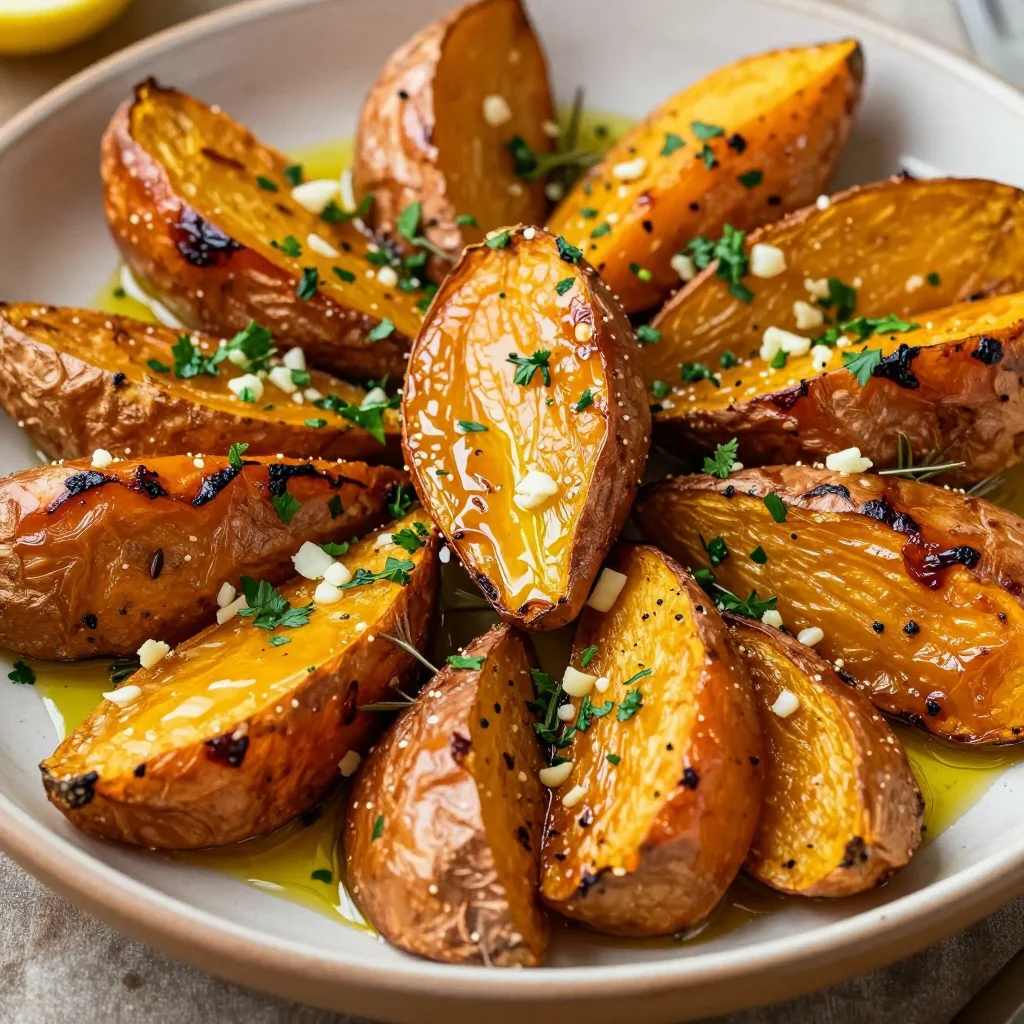
lemon garlic roasted winter squash and sweet potatoes for family meals
Ingredients
Instructions
- Preheat and prep: Preheat oven to 425°F. Peel and cube butternut squash and sweet potatoes into 1-inch pieces, keeping sweet potato pieces slightly larger.
- Make marinade: In a large bowl, whisk together olive oil, lemon zest and juice, minced garlic, maple syrup, thyme, rosemary, salt, and pepper.
- Coat vegetables: Add cubed vegetables to the bowl and toss until every piece is well-coated with the marinade. Let stand 15 minutes.
- Arrange on pan: Spread vegetables in a single layer on a parchment-lined rimmed baking sheet, ensuring pieces don't touch.
- Roast: Roast for 15 minutes, then remove pan, stir vegetables, and rotate pan. Return to oven for 10-15 minutes more until edges are caramelized.
- Finish and serve: Transfer to a serving platter, squeeze fresh lemon juice over hot vegetables, sprinkle with flaky salt and fresh herbs.
Recipe Notes
For best results, don't overcrowd the pan. If doubling the recipe, use two baking sheets. Vegetables are done when edges are deeply caramelized and centers are tender when pierced with a fork.