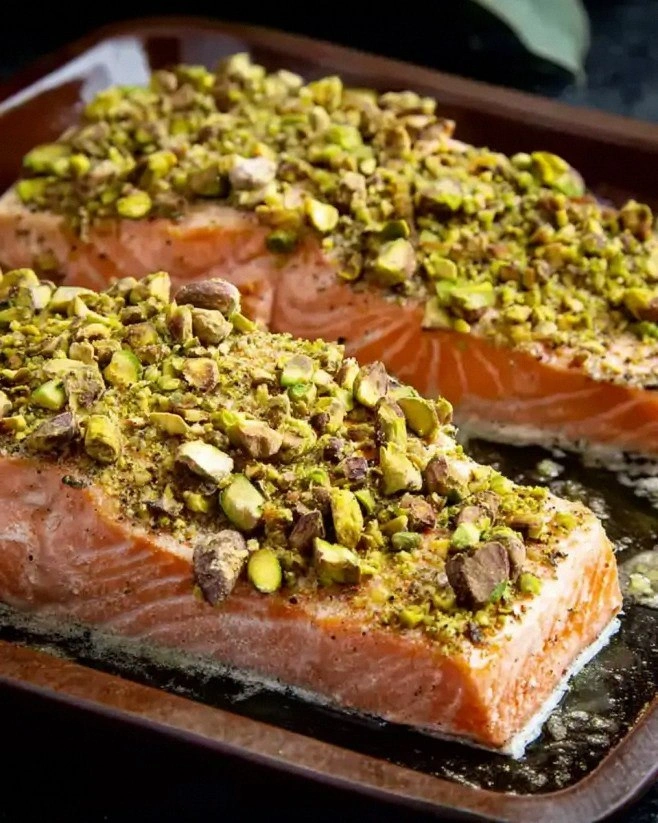
I was in the middle of a frantic weekday dinner scramble when a friend dared me to create something that would make even the most skeptical palate sing. The kitchen was a battlefield of clanging pans, a rogue onion that had escaped the chopping board, and the faint, desperate hum of a fridge that seemed to be judging my culinary choices. I grabbed the first thing I could find—a pound of salmon that was practically begging to be rescued from the freezer abyss—and thought, “What if I coat it in something sweet, nutty, and just a little bit fancy?” The answer? Maple pistachio glaze that clings to the fish like a glossy, caramel‑kissed armor, with pistachios that add a crunch that shatters like thin ice under a boot.
The moment the maple syrup hit the hot pan, a fragrant steam rose that reminded me of a late‑autumn brunch in a cabin, the kind where the woods outside are frosted and the air smells like pine and sweet wood smoke. The sound was a gentle sizzle, a whisper that promised caramelization without burning, while the pistachios toasted in the background, releasing a buttery aroma that made my mouth water before the first bite even happened. My senses were doing a full‑on dance: the glossy glaze reflecting the kitchen light, the scent of Dijon mustard cutting through the sweetness, the tactile feel of the pistachio crumbs as they stuck to the fish like a crown of green jewels.
Most salmon recipes I’ve tried either drown the fish in a soggy sauce or leave it bland and overcooked. This version stands out because it balances the natural richness of the salmon with a maple‑pistachio glaze that never overwhelms but always compliments. I’m not just talking about a fleeting moment of flavor; I’m talking about a layered experience where the first bite delivers a sweet‑savory pop, followed by a buttery crunch, and finally a lingering herbaceous finish from fresh parsley. I dare you to taste this and not go back for seconds—your taste buds will file a formal complaint if you don’t.
And here’s the kicker: the secret weapon is a simple whisk of Dijon mustard that cuts through the maple’s sweetness, creating a glaze that’s as smooth as silk but with a bite that wakes up the palate. I’ll be honest — I ate half the batch before anyone else got to try it, because that first piece was pure, unadulterated bliss. Picture yourself pulling this out of the oven, the whole kitchen smelling incredible, the glaze glistening like a sunrise over a calm lake. Let me walk you through every single step — by the end, you’ll wonder how you ever made it any other way.
What Makes This Version Stand Out
- Flavor Harmony: The maple’s natural sweetness is perfectly balanced by the sharp, tangy Dijon, creating a sauce that sings rather than shouts.
- Texture Contrast: Crispy pistachio shards provide a satisfying crunch that contrasts beautifully with the buttery, flaky salmon.
- Simplicity: Fewer than ten ingredients, all pantry‑friendly, mean you can whip this up on a Tuesday night without a grocery run.
- Uniqueness: Most salmon dishes rely on lemon or honey; the pistachio twist is unexpected and makes the dish unforgettable.
- Crowd Reaction: Guests often ask for the recipe immediately, and the garnish of fresh parsley adds a pop of color that looks Instagram‑ready.
- Ingredient Quality: Using pure maple syrup (not pancake syrup) and unsalted pistachios ensures the flavor stays pure and unmasked.
- Cooking Method: Baking the salmon preserves moisture while the glaze caramelizes on top, giving you a perfect finish every time.
- Make‑Ahead Potential: The glaze can be pre‑made and stored, so you only need to assemble and bake when you’re ready to eat.
Alright, let's break down exactly what goes into this masterpiece...
Inside the Ingredient List
The Flavor Base
Pure Maple Syrup (1/4 cup): This is the sweet heart of the glaze, offering caramel notes that melt into the salmon’s flesh. If you substitute with honey, you’ll get a different floral sweetness that can compete with the pistachios, but the depth of maple is unmatched. Look for a grade A, dark amber syrup for the richest flavor.
Dijon Mustard (2 tablespoons): The mustard cuts through the sweetness with a gentle heat, preventing the glaze from becoming cloying. It also helps emulsify the sauce, giving it that glossy sheen. If you’re feeling adventurous, try a whole grain mustard for a subtle texture boost.
The Texture Crew
Unsalted Pistachios (1/4 cup): These little green gems provide a buttery crunch that contrasts the tender salmon. Their natural oils blend with the maple, creating a glaze that’s both crisp and silky. If pistachios aren’t on hand, try toasted almonds or cashews, but the flavor profile will shift.
Olive Oil (1 tablespoon): A splash of olive oil helps the glaze coat the fish evenly and adds a subtle fruitiness. Use a light, extra‑virgin variety so it doesn’t overpower the maple.
The Unexpected Star
Garlic Powder (1 teaspoon): It brings a warm, aromatic undertone that rounds out the sweetness. Fresh garlic works too, but the powder distributes more uniformly, especially when you’re whisking a quick glaze.
Fresh Parsley (1 tablespoon, chopped): Added at the end, parsley injects a bright, herbaceous lift that cuts through the richness. It also adds a pop of green that makes the dish look restaurant‑worthy.
The Final Flourish
Salt (1/2 teaspoon) & Black Pepper (1/4 teaspoon): These seasonings enhance the natural flavors of the salmon and balance the glaze. Don’t skimp on the salt; it’s the silent hero that makes everything pop. Freshly cracked pepper adds a subtle heat that lingers after each bite.
Salmon Fillet (1 pound): The star of the show. Look for a piece with the skin on—this protects the flesh while cooking and adds extra flavor. If you can, buy wild‑caught salmon; its firmer texture holds up better under the glaze.
Everything's prepped? Good. Let's get into the real action...
The Method — Step by Step
Preheat your oven to 400°F (200°C). While the oven warms, line a baking sheet with parchment paper and lightly oil it. This creates a non‑stick surface that lets the glaze caramelize without sticking. The kitchen will start to smell faintly of toasted oil—trust me, that’s the first sign you’re on the right track.
Pat the salmon fillet dry with paper towels. Season both sides with the salt and black pepper, then drizzle the olive oil over the top, rubbing it in so every inch is coated. This step ensures the skin gets crispy and the flesh stays moist. Power transition: Okay, ready for the game‑changer?
Kitchen Hack: Use the back of a spoon to press the seasoning into the flesh; this creates a tiny “crust” that locks in flavor.In a small saucepan over medium heat, combine the maple syrup, Dijon mustard, garlic powder, and a pinch of black pepper. Whisk continuously for about 2 minutes until the mixture thickens slightly and the garlic powder is fully incorporated. This is the moment of truth—if the glaze starts to bubble too aggressively, lower the heat; you want a gentle simmer, not a boil.
Remove the saucepan from the heat and stir in the chopped pistachios, reserving a tablespoon for garnish. The pistachios should stay crunchy; if they soften too much, you’ve over‑cooked the glaze. Watch Out: Adding the nuts while the sauce is too hot can cause them to release excess oil, making the glaze greasy.
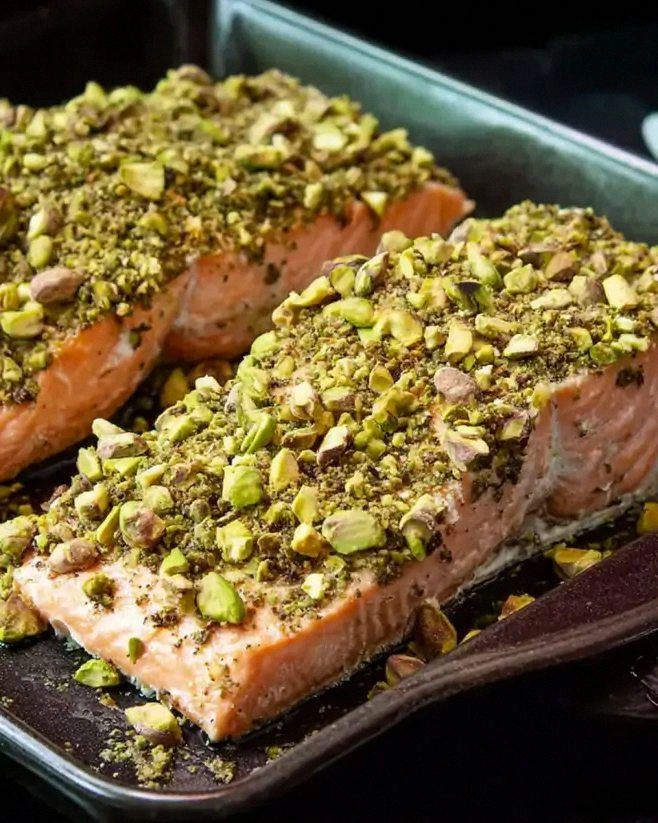
Watch Out: If the glaze looks too runny, let it sit for a minute; it will thicken as it cools.Place the seasoned salmon skin‑side down on the prepared baking sheet. Brush a generous layer of the maple‑pistachio glaze over the top, making sure to coat every inch. The glaze should cling like a glossy coat, with pistachio bits visible as tiny green speckles. This is where the magic starts to happen—watch the glaze spread and settle.
Kitchen Hack: Use a silicone basting brush for an even coat; it also prevents the glaze from tearing the delicate flesh.Slide the sheet into the preheated oven and bake for 12‑15 minutes, depending on the thickness of your fillet. The salmon is done when it flakes easily with a fork and the interior temperature reaches 145°F (63°C). The glaze should turn a deep amber, and you’ll hear a faint crackle as the pistachios crisp up. This is the part where patience pays off—don’t open the oven early.
While the salmon finishes, toss the reserved pistachio garnish with a tiny drizzle of olive oil and a pinch of sea salt. This quick toast step adds an extra layer of crunch that makes each bite feel like a celebration.
Remove the salmon from the oven and let it rest for 3 minutes. This rest allows the juices to redistribute and the glaze to set, preventing it from sliding off when you slice. Sprinkle the fresh parsley over the top, then scatter the toasted pistachio garnish for that final pop of color and texture.
Plate the salmon on a warm platter, drizzle any remaining glaze from the pan over the top, and serve immediately. That sizzle when it hits the pan? Absolute perfection. Pair with roasted veggies or a light quinoa salad, and you’ve got a dinner that feels like a five‑star experience without the pretentious price tag.
That's it — you did it. But hold on, I've got a few more tricks that'll take this to another level...
Insider Tricks for Flawless Results
The Temperature Rule Nobody Follows
Never bake salmon straight from the fridge; let it sit at room temperature for 15 minutes before it hits the oven. This small step ensures the fish cooks evenly, preventing a cold center while the exterior caramelizes. I once tried to skip this, and the result was a soggy, uneven piece that tasted like a culinary mishap. Trust the rule, and you’ll get a uniformly pink interior every time.
Why Your Nose Knows Best
Your nose is the ultimate timer. When the glaze starts to emit a nutty, caramel aroma, you’re within two minutes of the perfect finish. If you notice a burnt scent, pull the pan out immediately; the glaze can go from golden to bitter in seconds. This sensory checkpoint is a lifesaver—no need to obsess over the clock.
The 5‑Minute Rest That Changes Everything
After baking, let the salmon rest uncovered for exactly five minutes. This rest allows the glaze to thicken slightly and the fish’s fibers to relax, resulting in a tender bite that doesn’t fall apart. Skipping this step is a common mistake that leads to a dry, flaky mess. I’ve seen friends serve it hot straight out of the oven, only to watch the glaze slide off like a sad waterfall.
Pistachio Prep Pro
Toast pistachios in a dry skillet for just 90 seconds, then let them cool before chopping. The quick toast unlocks their natural oils, making the glaze richer, while the cooling prevents them from turning mushy when mixed. If you crush them while still warm, they’ll release too much oil and the glaze will become greasy.
The Secret Sauce Thickener
If you prefer a thicker glaze, whisk in a teaspoon of cornstarch dissolved in a tablespoon of cold water during the simmer stage. This adds body without altering flavor. I tried this once for a dinner party, and the glaze clung to the salmon like a second skin—exactly the texture I was aiming for.
Creative Twists and Variations
This recipe is a playground. Here are some of my favorite ways to switch things up:
Spicy Sriracha Kick
Add a tablespoon of sriracha to the glaze for a heat‑infused version. The heat balances the sweetness, and the red hue adds visual drama. Perfect for those who love a little fire with their fish.
Citrus‑Infused Delight
Stir in the zest of one orange and a splash of fresh orange juice into the maple‑mustard mix. The citrus brightens the glaze, turning it into a sun‑kissed glaze that pairs wonderfully with a side of asparagus.
Herbaceous Garden
Swap parsley for fresh dill and add a teaspoon of chopped thyme. The herb combo brings a garden‑fresh note that complements the pistachios, making the dish feel spring‑ready.
Nut‑Free Alternative
If you have a nut allergy, replace pistachios with toasted pumpkin seeds. They provide a similar crunch and a slightly earthy flavor that still works with the maple base.
Vegan “Salmon”
Use thick slices of marinated tofu or tempeh in place of salmon. Marinate them in soy sauce, maple, and a dash of smoked paprika, then follow the same glaze steps. The result is a plant‑based dish that still delivers that sweet‑savory crunch.
Storing and Bringing It Back to Life
Fridge Storage
Place leftover salmon in an airtight container, drizzle a thin layer of extra maple syrup on top, and store in the refrigerator for up to 3 days. The glaze helps retain moisture, keeping the fish from drying out.
Freezer Friendly
Wrap individual portions tightly in plastic wrap, then place them in a freezer‑safe bag. Freeze for up to 2 months. When ready to eat, thaw overnight in the fridge, then reheat using the method below.
Best Reheating Method
Preheat a skillet over medium‑low heat, add a splash (about a teaspoon) of water, and cover the salmon with a lid for 3‑4 minutes. The steam revives the glaze, and the fish stays tender. Avoid microwave reheating—it turns the glaze rubbery.