My Journey to This Dish
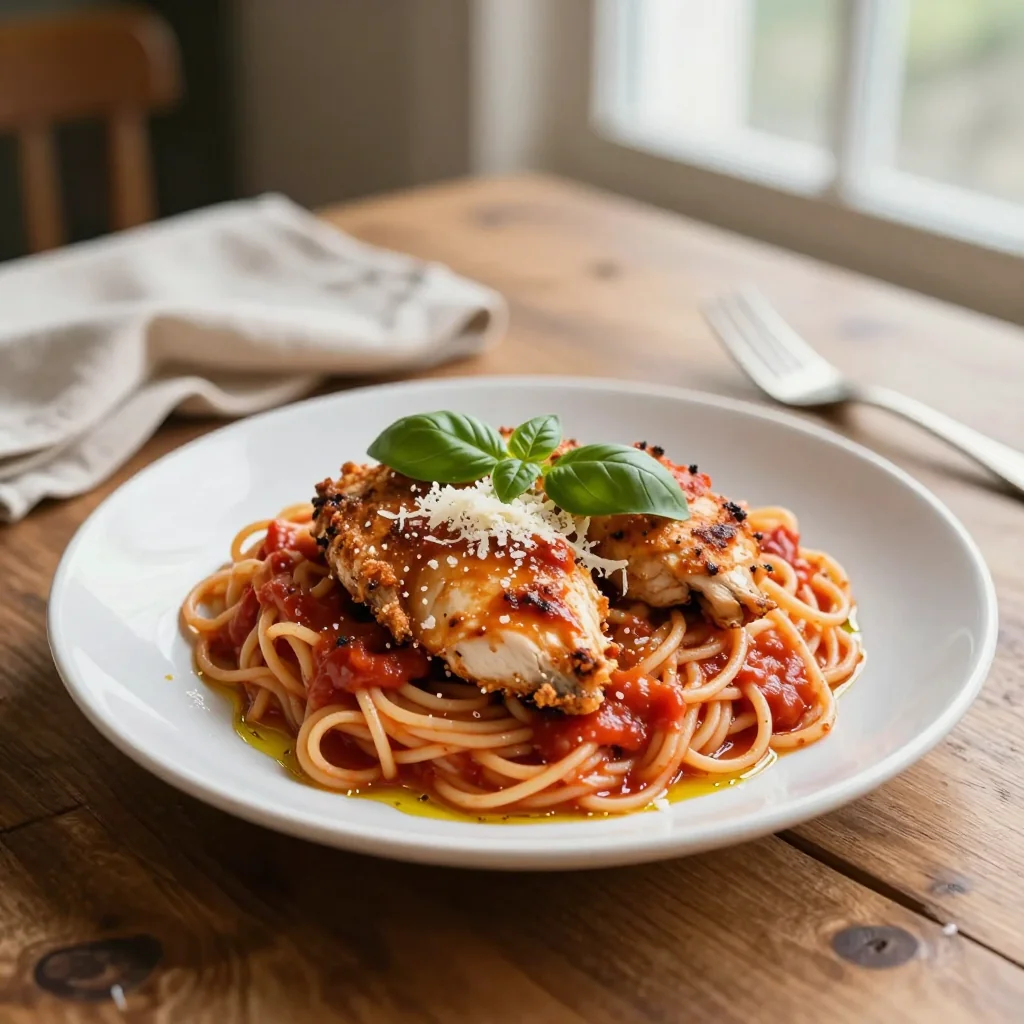
The first time I tasted a perfectly crisp Parmesan‑crusted chicken draped in a velvety marinara, I was sitting on a tiny balcony in Naples, Italy, watching the sunset paint the sky in shades of orange and pink. The aroma of garlic and simmering tomatoes wafted through the narrow streets, and I felt an instant connection to the simple yet profound comfort that Italian food offers. That moment sparked a lifelong love affair with the marriage of cheese, chicken, and pasta.
Over the years, I’ve experimented with countless variations—adding herbs, swapping breadcrumbs for panko, and even trying gluten‑free pasta—but the core of this recipe has always remained the same: a harmonious balance of textures and flavors that makes every bite feel like a warm hug. It’s a dish that bridges generations, perfect for family gatherings, cozy weeknight dinners, or impressing guests at a casual dinner party.
In this article, I’ll walk you through every step, from selecting the freshest ingredients to mastering the golden crust and the perfect marinara. You’ll discover why this recipe works so well, learn pro tips that elevate the dish, and get ideas for variations that suit any dietary preference.
Let’s dive in together and create a meal that will become a staple in your kitchen for years to come.
🌟 Why This Recipe Will Captivate You
This dish isn’t just a meal; it’s an experience that combines comfort, elegance, and unforgettable flavor.
- ✨ Crispy, Golden Crust: The Parmesan‑breadcrumb coating creates a satisfying crunch that stays crisp even after being tossed with sauce, thanks to a quick pan‑sear that locks in moisture.
- ✨ Balanced Flavor Profile: Sweetness from ripe tomatoes, acidity from a splash of red wine, and a hint of heat from red pepper flakes create depth without overwhelming the palate.
- ✨ Nutrient‑Rich Protein: Chicken breast provides lean protein while the Parmesan adds calcium and a savory umami boost.
- ✨ Versatile Pasta Base: Penne’s ridges trap sauce, ensuring every forkful is coated, but you can swap for spaghetti, rigatoni, or gluten‑free pasta without losing the magic.
- ✨ Time‑Efficient: With prep and cook times under an hour, you can serve a restaurant‑quality dish on a weekday.
- ✨ Crowd‑Pleaser: The combination of familiar flavors and a beautiful presentation makes it a hit for both kids and adults.
🥗 The Ingredients
📝 Complete Ingredient List
For the Chicken:
For the Pasta:
For the Marinara Sauce:
🔍 Focus on Key Ingredients
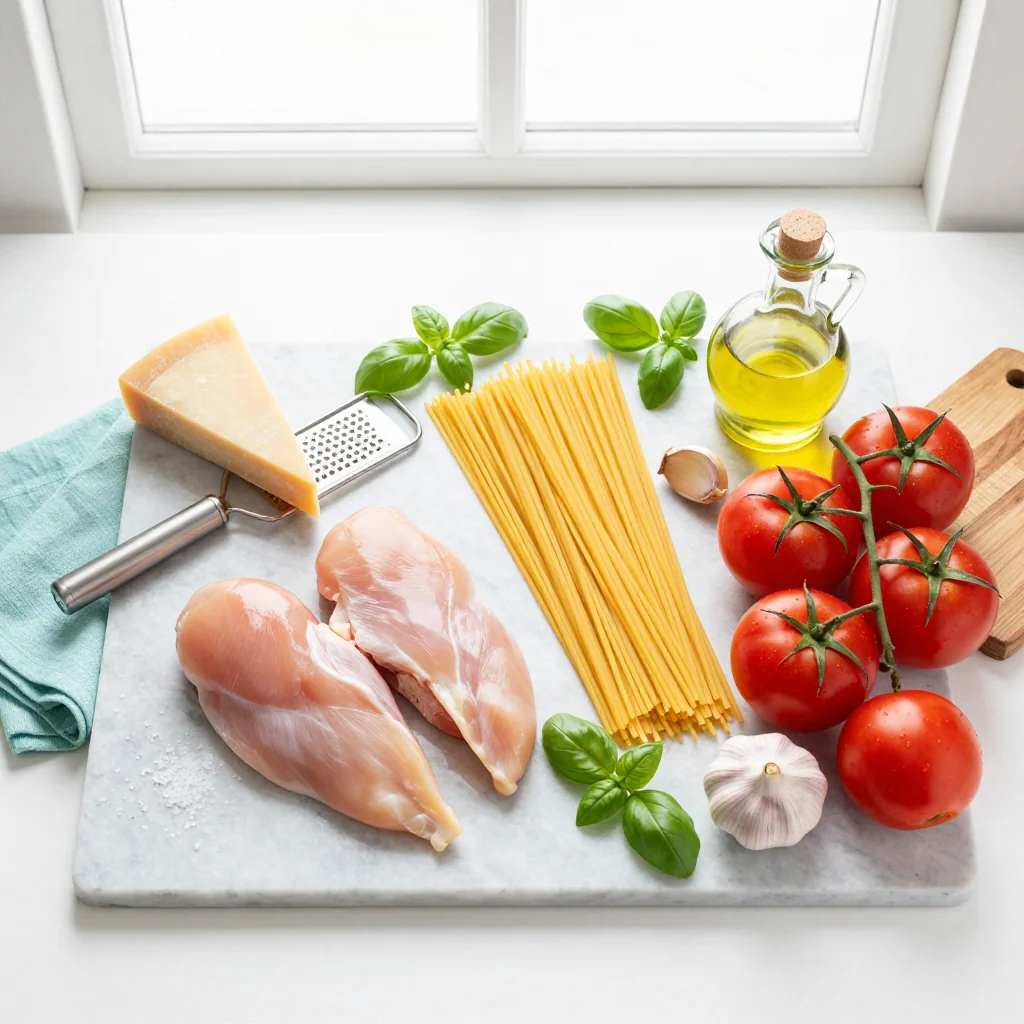
Parmesan Cheese
Parmesan adds a nutty, salty depth that transforms both the chicken coating and the marinara sauce. When choosing, look for a cheese with a granular texture and a sharp aroma—real Parmigiano‑Reggiano ages at least 24 months. Its high protein content also helps create that satisfying crust without making the coating soggy.
Boneless Skinless Chicken Breasts
Chicken breasts are lean and quick‑cooking, but they can dry out if over‑handled. Pound them to an even thickness (about ½ inch) to ensure uniform cooking. This also reduces the time needed for the pan‑sear, preserving juiciness while the exterior crisps.
Canned Crushed Tomatoes
Using whole‑peeled tomatoes that you crush by hand yields a richer texture than pre‑pureed varieties. The natural acidity balances the richness of the cheese, while the tomato’s natural sugars caramelize slightly during simmering, adding a subtle sweetness.
🔄 Quick Substitutions
| If you don’t have... | Use instead... |
|---|---|
| Parmesan cheese | Grana Padano or Pecorino Romano |
| Breadcrumbs | Panko or crushed cornflakes |
| Crushed tomatoes | Passata or fresh ripe tomatoes blended |
👨🍳 Step‑by‑Step Instructions
Follow these detailed steps to achieve a perfectly crispy chicken, a silky sauce, and pasta that holds onto every bite.
📋 Phase 1: Preparation & Mise en Place
Start by gathering all ingredients and setting up your workstation.
Prepare the Chicken
Pat the chicken breasts dry with paper towels. Place each breast between two sheets of plastic wrap and gently pound with a meat mallet until they are about ½ inch thick. This ensures even cooking and a tender interior.
Set Up the Breading Station
In a shallow dish, combine grated Parmesan, breadcrumbs, garlic powder, dried oregano, and a pinch of salt and pepper. In a second dish, whisk the two eggs. Dip each chicken piece first into the egg, letting excess drip off, then coat thoroughly with the Parmesan‑breadcrumb mixture. Press gently to adhere.
🔥 Phase 2: Cooking & Assembly
Now we’ll bring everything together on the stovetop.
Pan‑Fry the Chicken
Heat 2 tbsp olive oil in a large skillet over medium‑high heat. Once shimmering, add the coated chicken breasts. Cook 4‑5 minutes per side, or until the crust turns golden brown and the internal temperature reaches 165 °F (74 °C). Transfer to a paper‑towel‑lined plate to rest.
Cook the Pasta
While the chicken rests, bring a large pot of salted water to a rolling boil. Add the penne and cook according to package instructions until al dente (usually 10‑11 minutes). Drain, reserving ½ cup of pasta water, and toss with a drizzle of olive oil to prevent sticking.
Make the Marinara Sauce
In the same skillet used for the chicken, reduce heat to medium and add 2 tbsp olive oil. Sauté the chopped onion until translucent, about 3‑4 minutes. Add minced garlic and red pepper flakes; cook another minute until fragrant. Pour in the crushed tomatoes, then stir in dried basil, oregano, and a pinch of salt. Simmer gently for 10‑12 minutes, allowing the flavors to meld. Finish the sauce with ½ cup grated Parmesan and torn fresh basil.
✨ Phase 3: Finishing & Plating
Combine, garnish, and serve.
Combine Pasta and Sauce
Add the cooked penne to the marinara sauce, tossing to coat evenly. If the sauce appears too thick, add a splash of the reserved pasta water until you reach a silky consistency.
Slice the Chicken
Slice each rested chicken breast on a diagonal into ½‑inch strips. This presentation showcases the golden crust and makes it easy to eat alongside the pasta.
Plate the Dish
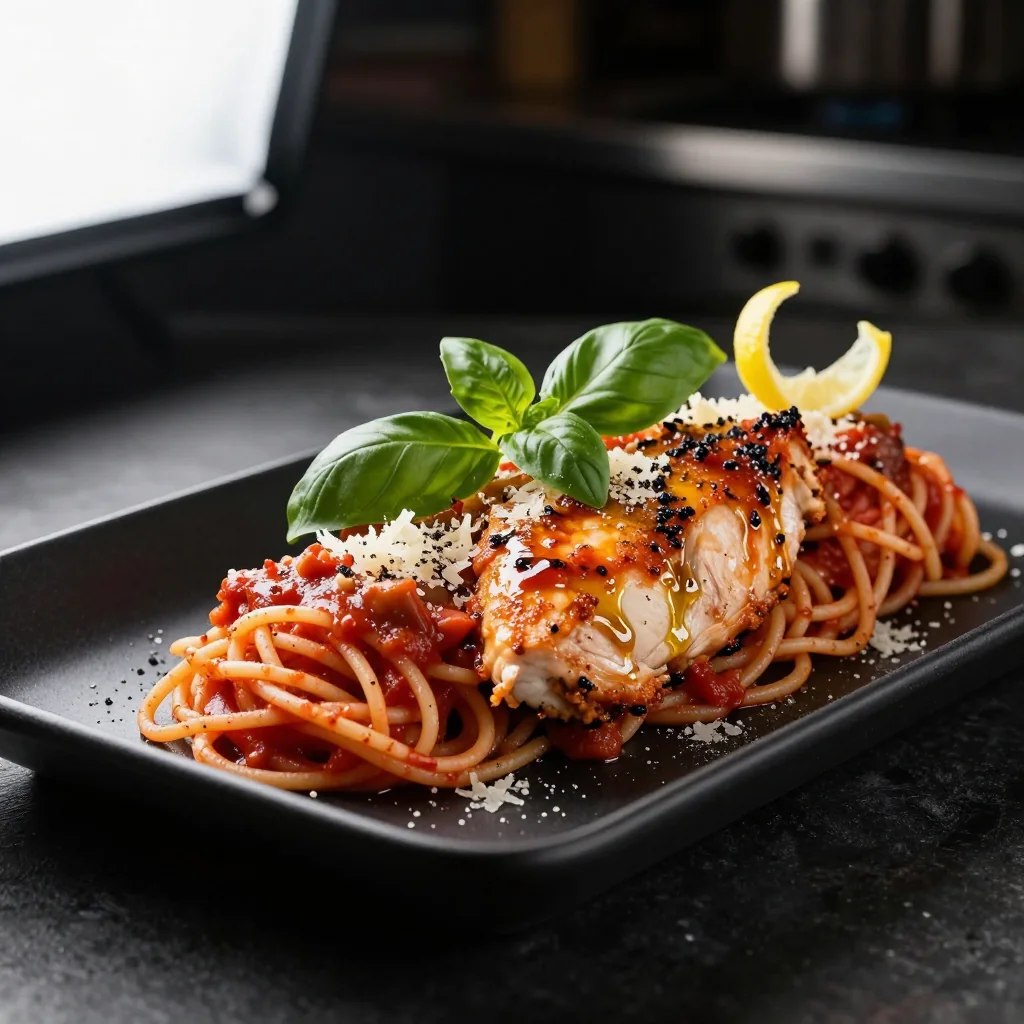
Twirl a generous portion of pasta onto each plate, arranging the sliced chicken on top. Sprinkle with extra grated Parmesan, a few fresh basil leaves, and a drizzle of high‑quality extra‑virgin olive oil for shine.
Serve Immediately
Serve hot, accompanied by a crisp green salad or garlic‑bread. The contrast of textures—crunchy chicken, tender pasta, and velvety sauce—creates a memorable dining experience.
💡 Expert Tips & Tricks
🛒 Choosing the Best Ingredients
Look for chicken breasts that are pinkish‑white with a firm texture; avoid any that appear gray or have a strong odor. When selecting Parmesan, opt for a block you can grate yourself; pre‑grated cheese often contains anti‑caking agents that affect texture. For tomatoes, choose cans labeled “San Marzano” or “whole peeled” for a naturally sweet, low‑acid profile that deepens the sauce.
🔪 Preparation Techniques
Patting the chicken dry is crucial—moisture prevents the coating from adhering. After coating, let the chicken rest for 5 minutes before cooking; this helps the crust set. When mincing garlic, keep the pieces small to release maximum flavor without creating bitter bits.
🌡️ Mastering the Cooking Process
Keep the skillet hot enough to sizzle but not so hot that the coating burns before the chicken cooks through. A medium‑high heat (around 375 °F/190 °C) works well. For the sauce, a gentle simmer preserves the bright tomato flavor; a rolling boil can make it taste metallic.
🍽️ Presentation & Service
Use a large shallow bowl to toss pasta and sauce; this ensures even coating. For a restaurant‑style look, place the sliced chicken fanned out over the pasta and finish with a dusting of Parmesan and a few basil leaves. A wedge of lemon on the side adds a fresh pop that brightens the dish.
🏆 Pro‑Level Secrets
Elevate your cooking from home‑cooked to restaurant‑standard with these insider techniques.
- 🎯 Control the Crust Moisture: Lightly toast the breadcrumbs in a dry pan before mixing with Parmesan. This removes excess moisture, leading to an ultra‑crisp crust that stays crisp even after being tossed with sauce.
- 🎯 Double‑Layer the Coating: After the first dip in egg, let the chicken rest for 2 minutes, then dip again before the final breadcrumb coating. This creates a thicker barrier that locks in juices.
- 🎯 Deglaze the Pan: After searing the chicken, deglaze the skillet with a splash of dry white wine before making the sauce. The wine lifts caramelized bits, enriching the sauce’s depth.
- 🎯 Finish with Cold Butter: Stir in a tablespoon of cold butter at the end of the sauce simmer. The butter emulsifies the sauce, giving it a glossy sheen and a luxurious mouthfeel.
- 🎯 Use a Pasta Water Emulsion: Add reserved pasta water gradually while tossing; the starches act as a natural thickener, binding sauce to pasta without making it gummy.
- 🎯 Rest the Chicken: Allow the fried chicken to rest on a wire rack for 5 minutes. This prevents steam from making the crust soggy and redistributes juices for a moist interior.
“Great cooking is about balance—texture, flavor, and timing. When you master those, every dish sings.” — Massimo Bottura
🔄 Variations & Adaptations
This recipe is a canvas—feel free to customize it to suit your taste, dietary needs, or culinary curiosity.
🥬 Vegetarian/Vegan Version
Replace the chicken with thick slices of eggplant or portobello mushrooms. Coat them in the same Parmesan‑breadcrumb mixture (use a vegan Parmesan alternative) and pan‑fry. The mushrooms provide a meaty texture, while the eggplant absorbs the sauce beautifully.
- Use 2 large eggplants, sliced ½‑inch thick, and follow the same coating steps.
- Swap Parmesan with a blend of nutritional yeast, cashew “cheese,” and garlic powder for a vegan umami boost.
🌶️ Flavor Variations
The base marinara is versatile. Here are three exciting twists you can try.
Spicy Version
Increase the red pepper flakes to 1 tsp and add ½ tsp smoked paprika. Finish with a drizzle of chili‑infused olive oil for an extra kick.
Mediterranean Version
Add ¼ cup chopped Kalamata olives, 2 tbsp capers, and a handful of artichoke hearts to the sauce. Garnish with crumbled feta and a squeeze of lemon.
Asian‑Inspired Version
Replace the Italian herbs with 1 tsp ginger paste and 1 tsp soy sauce. Finish the sauce with a splash of toasted sesame oil and garnish with sliced green onions and toasted sesame seeds.
⚠️ Dietary Adaptations
Gluten‑Free
Use gluten‑free breadcrumbs or crushed rice crackers for the coating and choose gluten‑free penne or spaghetti. Ensure the pasta water is well‑salted to compensate for the different texture.
Lactose‑Free
Substitute Parmesan with a lactose‑free hard cheese or a dairy‑free Parmesan alternative made from almonds and nutritional yeast.
Low‑Calorie
Reduce the amount of oil used for pan‑frying by baking the coated chicken at 200 °C (400 °F) for 20‑25 minutes, turning halfway. Use whole‑wheat or legume‑based pasta for added fiber and protein.
👶 Kid‑Friendly Version
Keep the flavors mild by omitting red pepper flakes and using a sweeter tomato sauce (add a pinch of sugar). Serve the chicken in bite‑size nuggets and toss the pasta with a little butter and grated mozzarella for extra meltiness.
📦 Storage & Reheating
🧊 Conservation
Refrigerator
- Duration: 3 days
- Container: Airtight glass or BPA‑free plastic container
- Tip: Store sauce and pasta separate from chicken to keep the crust crisp.
Freezer
- Duration: 2 months
- Method: Cool completely, then freeze chicken and sauce in separate freezer‑safe bags; keep pasta uncooked.
- Defrost: Transfer to refrigerator overnight before reheating.
💡 For best texture, re‑crisp the chicken under a broiler for 2‑3 minutes after thawing.
♨️ Reheating
🔥 Oven (Recommended)
- Preheat to 180 °C (350 °F).
- Place chicken and pasta in a baking dish, cover with foil.
- Heat for 12‑15 minutes.
- Remove foil, bake an additional 5 minutes to restore crust crispness.
⚡ Microwave (Quick)
- Cover dish with a microwave‑safe lid.
- Heat on medium power for 2 minutes, stir, then heat another 1‑2 minutes.
- Check temperature; add a splash of water if sauce looks dry.
🍳 Stovetop
Add a drizzle of olive oil to a skillet, warm the sauce and pasta over medium heat, then briefly sear the chicken slices to re‑crisp.
🍷 Perfect Pairings
🥗 Side Dishes
- Arugula Lemon Salad: Peppery arugula tossed with lemon vinaigrette balances the richness of the dish.
- Garlic‑Bread Croutons: Crunchy croutons dipped in the marinara add texture.
- Roasted Broccoli with Chili Flakes: A lightly charred vegetable adds a smoky note.
🍷 Wine & Beverage Pairings
- Chianti Classico: Its bright acidity cuts through the cheese and tomato richness.
- Pinot Grigio: A crisp white that highlights the herbaceous notes.
- Non‑Alcoholic: Sparkling rosemary‑infused water for a refreshing palate cleanser.
🍰 Completing the Meal
Start with a light Caprese salad, follow with the main dish, and finish with a classic tiramisu or a simple lemon sorbet. The citrus finish complements the tomato sauce and leaves the palate refreshed.
❓ Frequently Asked Questions
Q: Can I use chicken thighs instead of breasts?
Absolutely! Bone‑in, skin‑on thighs add extra flavor and juiciness. Trim excess fat, pound to an even thickness, and increase cooking time by 2‑3 minutes per side to ensure they reach 165 °F (74 °C). The crust will still be crisp, and the meat will stay tender.
Q: How do I prevent the breadcrumb coating from falling off?
Pat the chicken dry, dip it fully in the egg wash, and let excess drip off before coating. Press the breadcrumb mixture onto the surface firmly. A brief rest after coating (2‑3 minutes) helps the crumbs adhere before frying.
Q: Is it okay to add cheese to the sauce?
Yes, the recipe already calls for Parmesan in the sauce. You can also stir in a handful of shredded mozzarella for extra stretchiness, but add it at the very end to avoid clumping.
Q: My sauce turned out too watery—what went wrong?
This usually happens when the tomatoes are low‑acid or the simmer is too short. Simmer the sauce uncovered for at least 10 minutes to reduce excess liquid, and add a pinch of sugar to balance acidity if needed.
Q: Can I make this dish ahead of time?
Yes. Prepare the chicken and sauce up to the point of assembling. Store them separately in the fridge. When ready to serve, reheat the sauce, toss with freshly cooked pasta, and add the chicken. This keeps the crust from becoming soggy.
Q: How do I adjust the recipe for more or fewer servings?
Use the portion adjuster in the premium recipe card below. Changing the portion count automatically recalculates ingredient quantities based on the original 4‑serving baseline.
🎉 Let’s Get Cooking!
This Parmesan Chicken with Pasta Marinara brings together the comfort of home cooking with the elegance of a restaurant dish. The crispy, cheesy crust, the aromatic marinara, and the perfectly al dente penne create a symphony of flavors that will impress family and friends alike. Whether you’re cooking for a quick weeknight dinner or a special gathering, this recipe delivers consistent, delicious results.
I encourage you to try it, experiment with the suggested variations, and make it your own. Share your photos, ask questions in the comments, and let the community know how you personalized the dish.
Did you try this recipe?
Leave a comment and rating below! Share your photos on Instagram with #ParmesanChickenPasta for a chance to be featured.
Parmesan Chicken with Pasta Marinara
Crispy Parmesan‑crusted chicken tossed with al dente penne in a rich marinara sauce.
📝 Ingredients
Chicken
Pasta
Marinara Sauce
👨🍳 Instructions
- 1 Pat chicken dry, pound to even thickness, and set aside.
- 2 Prepare breadcrumb‑Parmesan mixture and egg wash; coat chicken.
- 3 Pan‑fry chicken until golden, then rest on paper towels.
- 4 Cook penne al dente, reserve pasta water.
- 5 Sauté onion and garlic, add tomatoes and herbs; simmer.
- 6 Stir Parmesan into sauce, finish with fresh basil.
- 7 Toss pasta with sauce, adding pasta water if needed.
- 8 Slice chicken and arrange on pasta.
- 9 Garnish with extra Parmesan and basil; drizzle olive oil.
- 10 Serve hot with suggested sides and enjoy!
🥗 Nutrition (per serving)
*Values are estimates based on standard ingredient data.