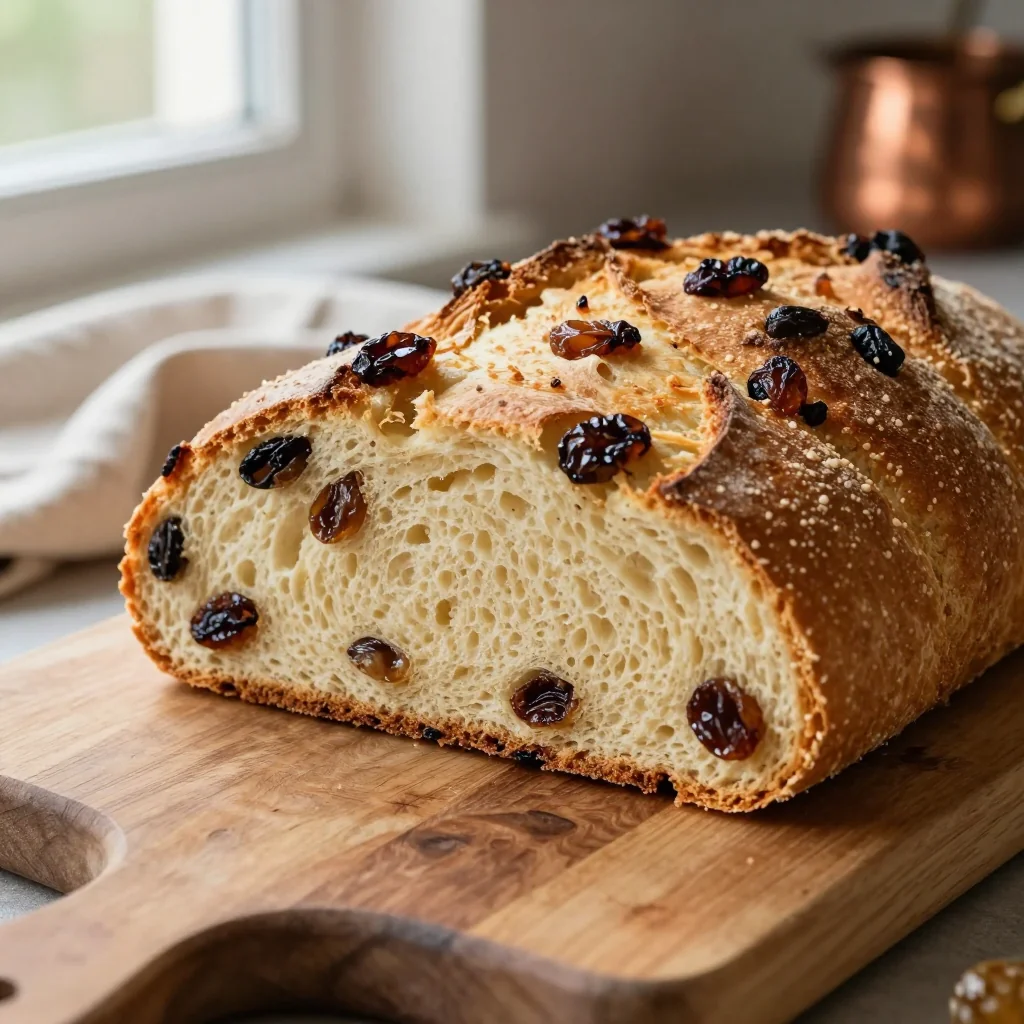
A rustic, buttery loaf that captures the heart of Irish kitchens, studded with sweet raisins for a comforting bite.
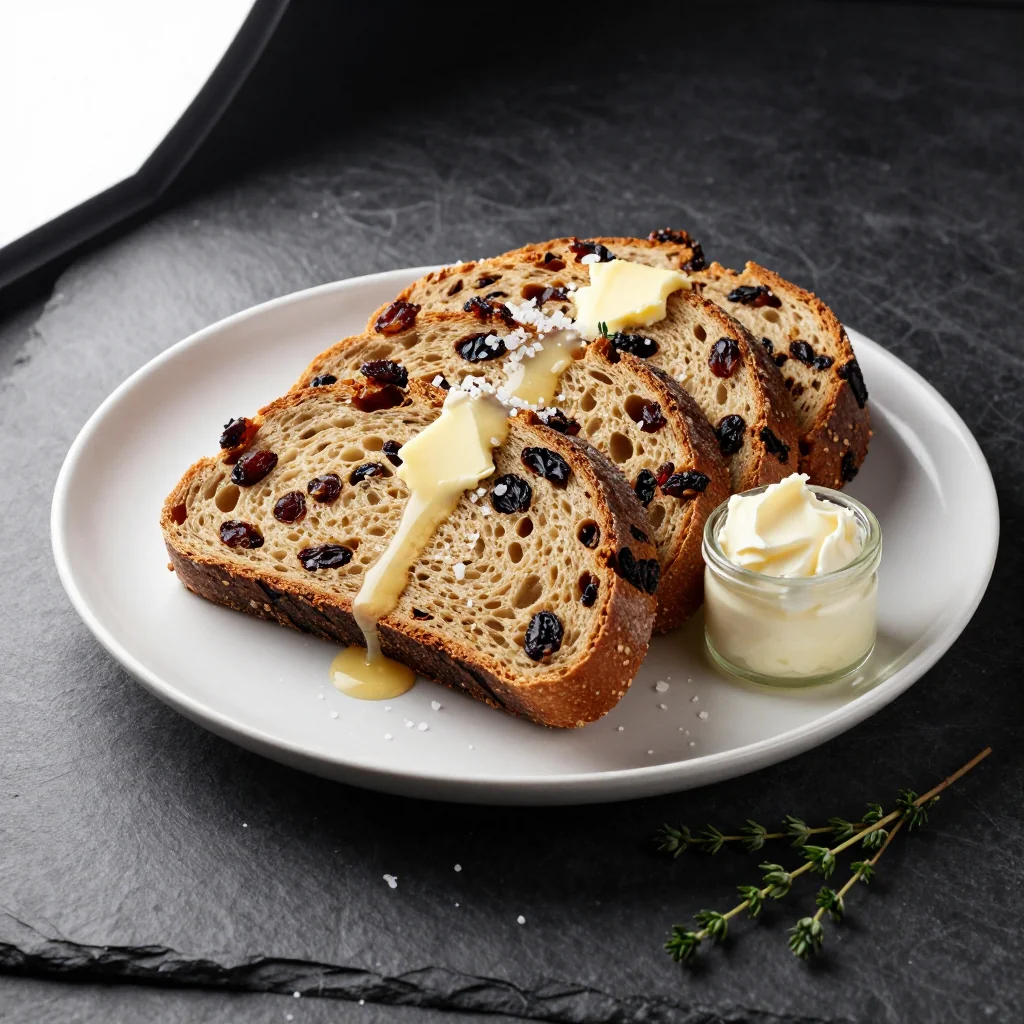
I still remember the first time I tasted a slice of warm soda bread fresh out of a stone oven on a rainy Dublin afternoon. The aroma of butter and raisins mingled with the earthy scent of the kitchen, and I felt instantly transported to a cozy cottage where stories were shared over simple, hearty meals. That memory sparked my lifelong fascination with traditional Irish baking, a craft that relies on just a handful of pantry staples yet delivers unforgettable flavor.
Soda bread, unlike yeast‑leavened loaves, uses baking soda and an acidic dairy component to rise quickly, a technique that originated in the 19th‑century Irish countryside where yeast was a luxury. Adding plump raisins brings a subtle sweetness that balances the bread’s tangy buttermilk base, making it perfect for breakfast, tea time, or as a comforting side to a hearty stew.
In this article, I’ll walk you through every nuance of creating the perfect Irish soda bread – from choosing the right flour to mastering the gentle fold that keeps the crumb tender. You’ll discover why a brief rest after mixing is essential, how to achieve that iconic cracked top, and the secret to a moist interior that stays fresh for days.
I’m thrilled to share this recipe with you, and I hope it becomes a staple in your kitchen as it has in mine. Let’s get baking!
🌟 Why This Recipe Will Win You Over
Soda bread is the ultimate expression of simplicity meeting comfort, and this raisin‑laden version adds a burst of natural sweetness that makes it unforgettable.
- ✨ Quick and Easy: The whole process takes under an hour, with no kneading or proofing, perfect for busy weeknights.
- ✨ Minimal Ingredients: Only seven pantry staples are needed, making it accessible for any home cook.
- ✨ Authentic Flavor: Baking soda and buttermilk create a subtle tang that mirrors the classic Irish loaf while raisins add a pleasant chew.
- ✨ Versatile Serving: Enjoy it toasted with butter, alongside soups, or as a base for a sweet breakfast topping.
- ✨ Rustic Appearance: The cracked, golden crust looks bakery‑crafted, impressing guests without the effort.
- ✨ Long‑Lasting Freshness: Proper storage keeps the bread soft for up to a week, and it freezes beautifully for future meals.
🥗 Ingredients
📝 Complete Ingredient List
For the Bread Dough:
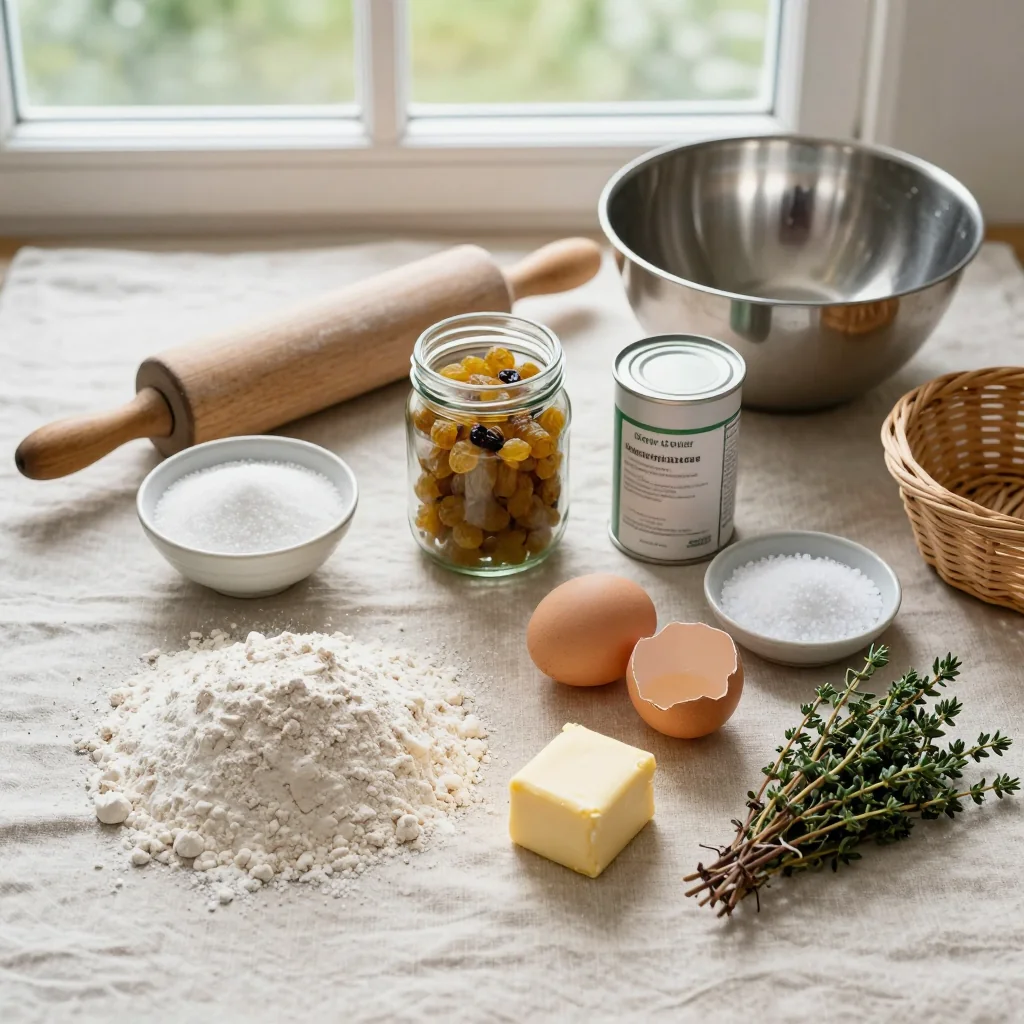
🔍 Focus on Key Ingredients
All‑Purpose Flour
Flour forms the backbone of any bread. For soda bread, a moderate protein content (around 10‑11%) provides enough structure without creating a dense crumb. Unbleached flour retains natural enzymes that help the dough develop a tender interior while keeping the crust crisp.
Buttermilk
The acidity of buttermilk reacts with the baking soda to create carbon dioxide bubbles that lift the dough quickly. It also imparts a gentle tang that balances the sweetness of the raisins. If you don’t have cultured buttermilk, you can make a quick substitute by adding one tablespoon of lemon juice or white vinegar to a cup of milk and letting it sit for five minutes.
Raisins
Raisins add pockets of natural sweetness and a chewy texture that contrasts beautifully with the crumb’s softness. Choose plump, dark raisins for the deepest flavor. Soaking them in a tablespoon of warm water or orange juice for ten minutes before adding them to the dough can enhance juiciness and prevent them from drying out during baking.
🔄 Quick Substitutions
| If you don’t have… | Use instead… |
|---|---|
| Buttermilk | Milk + 1 tbsp lemon juice (per 240 ml) |
| All‑purpose flour | Whole‑wheat flour (use 350 g and add 50 g extra flour) |
| Raisins | Currants or dried cranberries |
👨🍳 Step‑by‑Step Instructions
Follow these detailed steps to achieve a perfectly risen, golden‑crusted soda bread that stays soft inside.
📋 Phase 1: Preparation & Mise en Place
Gather your tools and measure all ingredients before you start.
Preheat the oven and prepare the baking sheet
Set your oven to 200 °C (390 °F) and line a baking sheet with parchment paper. This temperature ensures a rapid rise and a beautifully browned crust. While the oven heats, lightly flour a clean work surface; this will prevent the dough from sticking when you shape it.
Combine dry ingredients
In a large mixing bowl, whisk together the flour, baking soda, salt, and sugar until evenly distributed. This step is crucial because it ensures the leavening agent is evenly dispersed, preventing pockets of uneven rise.
🔥 Phase 2: Mixing & Baking
Now we’ll bring the dough together and bake it to perfection.
Cut in the butter
Add the diced butter to the dry mixture. Using your fingertips, rub the butter into the flour until the mixture resembles coarse breadcrumbs. Small butter pieces will melt during baking, creating pockets of richness throughout the loaf.
Incorporate buttermilk and raisins
Make a well in the centre of the flour mixture and pour in the buttermilk. Stir gently with a wooden spoon until a shaggy dough forms. Fold in the raisins, ensuring they are evenly distributed without over‑working the dough.
Shape the loaf
Turn the dough onto the floured surface and gently pat it into a round loaf about 4 cm (1½ in) high. Using a sharp knife, cut a deep “X” about 2 cm (¾ in) deep across the top; this helps the heat penetrate the centre and creates the classic soda‑bread appearance.
✨ Phase 3: Finishing & Serving
Final touches before the loaf meets the table.
Bake the bread
Slide the baking sheet into the preheated oven and bake for 45 minutes, or until the crust is a deep golden amber and a skewer inserted into the centre comes out clean. Rotate the pan halfway through baking for an even colour.
Cool before slicing
Remove the loaf from the oven and place it on a wire rack. Let it cool for at least 20 minutes; this allows the interior to set and makes slicing easier without crushing the crumb.
Serve and enjoy
Slice the bread thickly, spread with butter, and serve warm. It pairs beautifully with a cup of strong tea, a drizzle of honey, or as a side to a hearty Irish stew.
💡 Expert Tips & Tricks
🛒 Choosing the Best Ingredients
Opt for high‑quality, unbleached flour; it retains natural enzymes that improve texture. When selecting raisins, look for plump, dark varieties that have a deep, caramel‑like flavor. Fresh, cultured buttermilk is essential for the right tang; if you buy a low‑fat version, consider adding a tablespoon of melted butter to maintain richness.
🔪 Preparation Techniques
The “rubbing in” method for butter is a gentle way to coat flour particles without melting the fat, creating a tender crumb. Avoid over‑mixing once the liquid is added; a few strokes are enough to bring the dough together. Let the dough rest for five minutes after mixing; this allows the flour to hydrate fully, resulting in a softer interior.
🌡️ Mastering the Bake
Preheating the oven is non‑negotiable – the sudden heat triggers the rapid rise that defines soda bread. If your oven runs hot, place the loaf on the middle rack and keep an eye on the crust. For an extra glossy finish, brush the top lightly with melted butter halfway through baking.
🍽️ Presentation & Service
Serve the loaf warm, sliced thickly, and toasted lightly for a crunchy edge. Pair with a pat of Irish butter, a drizzle of honey, or a dollop of clotted cream for an indulgent treat. Leftovers can be revived by reheating in a low oven, preserving the crust’s crispness.
🏆 Pro Tips
The following insights separate a good loaf from a truly exceptional one.
- 🎯 Control the Flour Hydration: Adjust the buttermilk amount by 10 ml increments if your kitchen is particularly humid or dry. Too much liquid yields a gummy crumb; too little produces a dense texture.
- 🎯 Use a Baking Stone: Placing the loaf on a preheated baking stone mimics a traditional stone oven, delivering a more uniform rise and a superior crust.
- 🎯 Score the Cross Deeply: Cutting the “X” at least 2 cm deep not only creates the classic look but also directs steam outward, preventing the centre from becoming gummy.
- 🎯 Butter Temperature Matters: Use softened, not melted, butter. Soft butter creates pockets of steam during baking, contributing to a tender crumb.
- 🎯 Rest Before Baking: Allow the shaped loaf to rest for 10‑15 minutes after scoring. This short pause lets the gluten relax, reducing shrinkage in the oven.
- 🎯 Cool on a Wire Rack: Cooling on a rack prevents the bottom from steaming, which would soften the crust and diminish that satisfying crunch.
“Good bread is the most fundamentally satisfying of all foods; when it’s done right, it feels like a warm hug from the inside out.” — Chef Michael McCarthy
🔄 Variations & Adaptations
The basic soda bread is a canvas. Feel free to experiment with flavors, dietary needs, or family‑friendly twists while keeping the core technique intact.
🥬 Vegetarian / Vegan Version
Replace the butter with an equal amount of cold coconut oil or vegan margarine. Use plant‑based buttermilk made by adding 1 tbsp lemon juice to 240 ml soy or oat milk. The texture remains tender, and the flavor stays true to the original.
- Vegan butter or coconut oil – 150 g
- Oat milk + lemon juice – 240 ml
🌶️ Flavor Variations
Add complementary ingredients to shift the taste profile. Here are three popular directions:
Spicy Version
Incorporate ½ tsp ground cinnamon and a pinch of cayenne pepper for a warm, subtle heat that pairs beautifully with the raisins.
Mediterranean Version
Swap half the flour for fine semolina, add ¼ cup chopped sun‑dried tomatoes, and a tablespoon of fresh rosemary. This creates a fragrant loaf perfect with olive oil dips.
Asian‑Inspired Version
Replace raisins with toasted coconut flakes and a splash of soy‑ginger glaze brushed after baking. The result is a sweet‑savory loaf that pairs with miso soup.
⚠️ Dietary Adaptations
Gluten‑Free
Use a blend of 200 g rice flour, 100 g tapioca starch, and 100 g potato flour. Add 1 tsp xanthan gum to mimic gluten’s elasticity.
Lactose‑Free
Substitute butter with lactose‑free margarine and use lactose‑free buttermilk (cultured almond milk with lemon juice).
Low‑Calorie
Reduce sugar to 1 tbsp, use low‑fat Greek yogurt instead of butter, and increase the proportion of whole‑wheat flour for added fiber.
👶 Kid‑Friendly Version
For picky eaters, increase the raisin amount to 200 g and add a handful of finely chopped apples for extra sweetness. Serve with a thin layer of honey‑cinnamon butter to make the loaf more appealing to young palates.
📦 Storage & Reheating
🧊 Storage
Refrigerator
- Duration: Up to 5 days
- Recommended container: Airtight bread box or resealable plastic bag
- Tip: Slice before storing to make quick toast‑ready portions.
Freezer
- Duration: Up to 3 months
- Method: Wrap tightly in foil, then place in a freezer‑safe bag.
- Defrosting: Thaw overnight in the refrigerator or reheat directly from frozen.
💡 For optimal freshness, avoid storing the loaf in the refrigerator for more than a few days; the crust may lose its crispness.
♨️ Reheating
🔥 Oven (Recommended)
- Preheat to 180 °C (350 °F).
- Cover the loaf loosely with aluminum foil.
- Heat for 10 minutes.
- Remove foil and continue for 5 minutes to restore crust.
⚡ Microwave (Quick)
- Place a slice on a microwave‑safe plate.
- Cover with a microwave‑safe lid.
- Heat on medium power for 30 seconds, then check and add 10‑second bursts as needed.
🍳 Skillet
Heat a non‑stick skillet over medium heat, add a thin pat of butter, and warm each side for 2‑3 minutes. This method revives the crust while adding a buttery flavor.
🍷 Perfect Pairings
🥗 Side Dishes
- Irish Stew: The hearty, meat‑laden stew soaks up the bread’s buttery crumbs.
- Smoked Salmon Salad: The tang of smoked salmon contrasts beautifully with the sweet raisins.
- Cheese Board: Pair with sharp cheddar and a dollop of Irish butter.
🍷 Wine & Beverage
- Irish Red Ale: Its maltiness complements the raisin sweetness.
- Dry Riesling: The acidity cuts through the richness of the butter.
- Non‑Alcoholic: A warm cup of Earl Grey tea with a splash of honey.
🍰 To Complete the Meal
Begin with a light cucumber‑mint starter, follow with the soda bread and stew, and finish with a classic Irish apple crumble topped with vanilla ice cream for a balanced, comforting dinner.
❓ Frequently Asked Questions
Q: Can I use whole‑wheat flour instead of all‑purpose?
Yes, you can substitute up to 50 % of the all‑purpose flour with whole‑wheat flour. The loaf will be denser and have a nuttier flavor. To maintain softness, increase the buttermilk by 30 ml.
Q: Why does my soda bread stay flat?
A flat loaf usually indicates insufficient acidity or an inactive baking soda. Ensure your buttermilk is fresh and acidic (pH 4.5–5). Also, check that the baking soda is not past its expiration date.
Q: How do I know when the bread is fully baked?
The crust should be deep golden‑brown, and a skewer inserted into the centre must emerge clean. Additionally, the loaf should sound hollow when tapped on the bottom.
Q: Can I add other dried fruits?
Absolutely. Dried cranberries, apricots, or chopped dates work well. Adjust the amount to keep the dough’s moisture balance; you may need a slight increase in buttermilk if the fruit is very dry.
Q: Is it possible to make a gluten‑free version?
Yes, use a gluten‑free flour blend as outlined in the “Gluten‑Free” adaptation. Adding xanthan gum is crucial to mimic gluten’s structure and prevent crumbling.
Q: Can I prepare the dough ahead of time?
You can mix the dry ingredients and store them in an airtight container for up to 3 days. Add the wet ingredients and bake when ready; the dough does not benefit from extended resting like yeast breads.
🎉 Let’s Get Baking!
This Traditional Irish Soda Bread with Raisins brings together simplicity, heritage, and a touch of sweetness that makes every bite memorable. By following the detailed steps, you’ll achieve a loaf with a crisp, golden crust and a tender, moist interior that stays fresh for days. Whether you serve it with a steaming cup of tea, alongside a hearty stew, or simply toasted with butter, this bread will quickly become a beloved staple in your kitchen.
I can’t wait to hear how your loaf turns out. Share your photos, ask any lingering questions, and let the community celebrate your baking success. Your feedback helps us refine recipes and inspires new creations.
Have you tried this recipe?
Leave a comment and rating below! Share your photos on Instagram with #IrishSodaBread for a chance to be featured.
Traditional Irish Soda Bread with Raisins
A rustic, buttery loaf studded with sweet raisins, perfect for any season.
📝 Ingredients
For the Bread Dough
Optional Glaze (for extra shine)
👨🍳 Instructions
- 1
Preheat oven to 200 °C (390 °F) and line a baking sheet with parchment paper.
- 2
Whisk flour, baking soda, salt, and sugar together in a large bowl.
- 3
Rub cold butter into the dry mixture until it resembles coarse crumbs.
- 4
Make a well in the centre, pour in buttermilk, and stir gently to form a shaggy dough.
- 5
Fold in raisins evenly, being careful not to over‑mix.
- 6
Turn dough onto a floured surface, shape into a round loaf about 4 cm high, and cut a deep “X” on top.
- 7
Brush the optional melted butter glaze over the surface for extra shine.
- 8
Bake for 45 minutes, rotating halfway, until the crust is golden and a skewer comes out clean.
- 9
Cool on a wire rack for 20 minutes before slicing.
- 10
Serve warm with butter, honey, or alongside your favorite stew.
🥗 Nutrition (per serving)
*Nutrition facts are estimates based on ingredient data.
📚 You Might Also Like
Classic Irish Shepherd’s Pie
Irish Apple Cake
Colcannon – Irish Mashed Potatoes





💬 Comments & Reviews
Leave a Comment
No comments yet. Be the first to share your thoughts!