The first time I tried to make mac and cheese, the pot exploded with a cloud of steam that tasted like regret, and the pasta was a sad, soggy mess. I was staring at a bowl of plain noodles and broccoli that had been tossed together like a last‑minute apology. That disaster became the spark that turned a kitchen nightmare into a culinary revelation. Fast forward to today, and I have a version of broccoli mac and cheese that feels like a warm hug in a bowl, complete with a golden crust that crackles like a tiny celebration. I dare you to taste this and not go back for seconds.
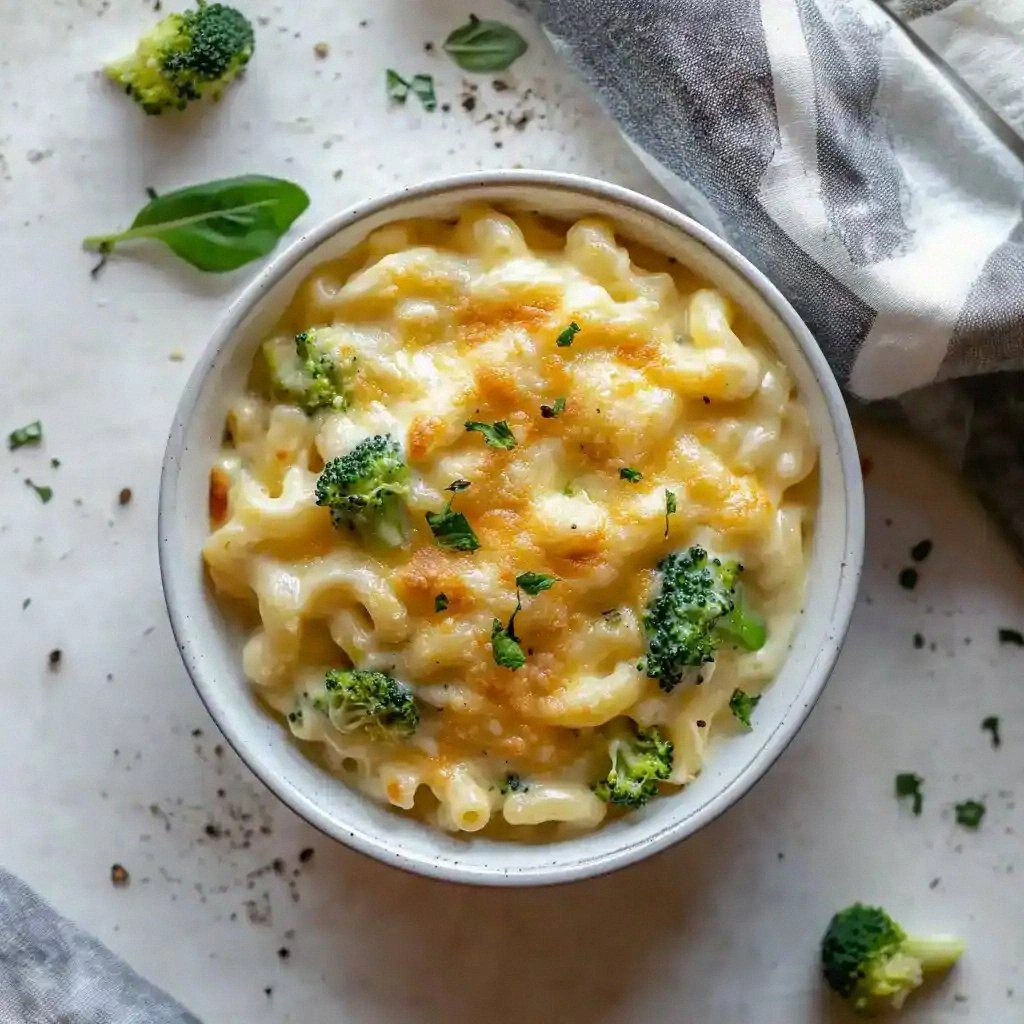
Picture the moment you open the oven door, and a fragrant steam swirls around your face, carrying the scent of melted cheddar, garlic, and fresh green florets. The sound of the bubbling sauce is a gentle hiss, almost like a lullaby for the soul. When you lift a spoon, the sauce coats the noodles like velvet, clinging to every curve with a silky richness that melts in your mouth. The broccoli flecks, bright and crisp, add a pop of color and a subtle crunch that breaks the creamy texture. I’ll be honest — I ate half the batch before anyone else got to try it.
This isn’t just another comfort dish; it’s a carefully balanced symphony of flavors and textures that make every bite feel earned. The sharp cheddar delivers a punch that cuts through the richness, while the Dijon mustard adds a subtle tang that lifts the entire dish. The garlic powder is the unsung hero that brings depth without overwhelming the palate. The butter and flour roux creates a silky base that carries the sauce, and the whole milk keeps it light enough to feel indulgent without being heavy. Most recipes get this completely wrong by over‑cooking the broccoli or using a weak cheese blend; here, everything works together like a well‑orchestrated band.
I’m not just talking about taste; the texture is a game‑changer. The pasta is al dente, firm enough to hold its shape against the gooey sauce. The broccoli is steamed to a perfect tenderness, maintaining a slight bite that contrasts beautifully with the creamy blanket of cheese. The top layer, when baked, turns into a golden, slightly crisp crust that shatters like thin ice when you break it with a fork. And the final touch? A sprinkle of Parmesan that melts into the sauce, giving it a nutty finish. This is hands down the best version you’ll ever make at home.
I’ve spent the last week experimenting with different cheeses, but the combination of sharp cheddar, a touch of Dijon, and a sprinkle of Parmesan is the one that consistently wins the crowd. The secret sauce? A simple roux that’s cooked to the perfect golden stage, ensuring the sauce has a silky texture that clings to every noodle. The broccoli isn’t just a garnish; it’s a flavor partner that brings a fresh, earthy note that balances the richness. I’ll be honest — this recipe is my go‑to for busy weeknights, but it also feels fancy enough for a Sunday dinner. Let me walk you through every single step — by the end, you’ll wonder how you ever made it any other way.
What Makes This Version Stand Out
- Flavor: The combination of sharp cheddar, Dijon mustard, and a hint of garlic powder creates a depth of flavor that feels like a comforting hug, yet with a sophisticated edge that surprises the palate.
- Texture: The noodles are al dente, the broccoli stays crisp-tender, and the sauce coats each strand like velvet, while a golden crust adds a satisfying crunch that shatters like thin ice.
- Simplicity: Only ten ingredients, all pantry staples, mean you can whip this up in less than 45 minutes without juggling multiple pots.
- Visual Appeal: The vibrant green broccoli against the creamy yellow sauce and the glossy, golden top makes this dish Instagram‑ready and instantly appetizing.
- Family Friendly: Kids love the cheesy goo, adults love the subtle mustard kick, and everyone loves the comforting, home‑cooked feel.
- Make‑ahead Potential: Cook it today, store it in the fridge, and reheat it to perfection; the sauce will re‑emulsify, keeping the dish as delicious as the first time.
Inside the Ingredient List
The Pasta Base
Elbow macaroni is the backbone of this dish, chosen for its sturdy shape that holds up against the rich sauce. The 8 ounces of pasta provide a hearty serving that satisfies both kids and adults. If you prefer a lighter version, substitute with whole‑grain or a gluten‑free pasta, but be aware that the texture will shift slightly. The pasta also absorbs the sauce, creating a harmonious blend of flavors that is crucial for the dish’s overall mouthfeel.
When selecting pasta, look for a brand that offers a consistent diameter; uneven tubes can lead to uneven cooking and a less satisfying bite. A good rule of thumb is to cook the pasta one minute less than the package instructions, then finish it in the sauce; this keeps the noodles from becoming mushy. If you’re cooking for a crowd, consider double the quantity, but keep the sauce proportionate to avoid a watery outcome.
The Green Powerhouse
Broccoli florets are the star that adds both nutrition and color. The 3 cups of florets are cut into bite‑sized pieces, ensuring quick, even cooking. Broccoli’s natural bitterness is balanced by the sweetness of the cheddar and the sharpness of the mustard, creating a complex flavor profile. If you’re short on fresh broccoli, frozen florets work well, but make sure to thaw and drain them thoroughly to prevent excess water.
For an extra pop of color, consider adding a few spinach leaves or green peas during the last minute of cooking; they’ll blend seamlessly without overpowering the broccoli. When steaming, avoid overcooking; you want the florets to retain a slight bite that contrasts the creamy sauce. The broccoli also adds a healthy dose of vitamins C and K, making this dish both comforting and nutritious.
The Creamy Core
The roux, made from 2 tablespoons of butter and 2 tablespoons of all‑purpose flour, forms the base of the sauce, giving it body and a silky texture. This simple mixture thickens the milk and prevents the cheese from separating, creating a smooth, velvety sauce. The butter adds richness, while the flour ensures the sauce has a firm structure that clings to the noodles.
When cooking the roux, stir constantly until it reaches a light golden hue; this eliminates the raw flour taste and unlocks a nutty flavor. Keep the heat medium to avoid scorching the butter, which would give the sauce a bitter note. The roux also acts as a binding agent, keeping the cheese, milk, and broccoli together in a cohesive, luscious mixture.
The Flavor Finale
Two cups of whole milk provide the liquid base that melts the cheese and creates a luscious coating. Whole milk’s higher fat content gives the sauce a richer mouthfeel compared to skim milk. The 2 cups of shredded sharp cheddar are the main cheese, delivering a bold, tangy flavor that is the heart of the dish. The Dijon mustard adds a subtle kick, while the garlic powder, salt, and black pepper round out the seasoning.
The grated Parmesan, added at the end, creates a nutty finish that enhances the overall depth. If you’re a cheese lover, feel free to add a splash of cream cheese or a dollop of blue cheese for a more decadent version. The balance of cheeses is key; too much cheddar can overwhelm the sauce, while too much Parmesan can make it taste overly salty.
Everything's prepped? Good. Let’s get into the real action.
The Method — Step by Step
- Bring a large pot of salted water to a rolling boil and add the elbow macaroni. Cook the pasta until it’s just shy of al dente, about 7 minutes, then drain and set aside. While the pasta is cooking, heat a medium skillet over medium heat and add the butter, letting it melt until it starts to foam. This step is crucial; a foamy butter signals that the roux will have a silky base that won’t seize. The aroma of butter sizzling is the first hint that comfort is on its way.
- Add the flour to the melted butter and whisk constantly for 2 minutes until the mixture turns a light golden color. This roux will thicken the milk and keep the cheese from separating. Keep the heat medium to prevent burning; a scorched roux will taste bitter and ruin the sauce’s smoothness. Stir until the flour is fully incorporated, and the mixture smells nutty, like toasted bread. This is the moment where the sauce’s foundation is built.
- Slowly pour in the whole milk while whisking vigorously to avoid lumps. The sauce should become silky and glossy; if it’s too thick, add a splash of milk or water. The key is a smooth, pourable consistency that coats the pasta evenly. The milk’s fat content will give the sauce a luscious sheen. After the milk is fully incorporated, let the sauce simmer for 3 minutes to thicken further. Kitchen Hack: If you’re worried about lumps, run the sauce through a fine mesh sieve after whisking; this guarantees a perfectly smooth base.
- Stir in the garlic powder, salt, black pepper, and Dijon mustard, letting the flavors mingle for 30 seconds. The mustard adds a subtle tang that brightens the dish, while the garlic powder provides a savory backbone. Taste the sauce; it should be seasoned but not overly salty. The seasoning step is vital; under‑seasoned sauce will feel flat, while over‑seasoned will overpower the cheese.
- Add the shredded sharp cheddar and stir until it’s fully melted and the sauce is smooth. The cheese should be glossy, with a slight sheen that indicates it’s perfectly melted. If the sauce starts to separate, lower the heat and stir until it comes back together. The cheese’s melting point is key; too hot, and it will break; too cool, and it won’t coat the pasta. The result should be a creamy, cohesive sauce that coats every noodle.
- Fold in the blanched broccoli florets, ensuring they’re evenly coated with the cheese sauce. The broccoli should be bright green, not wilted, and it should maintain a slight bite. If you’re using fresh broccoli, this is the moment to give it a quick sauté to enhance its flavor. The broccoli adds texture and a burst of freshness that contrasts the richness of the sauce. Watch Out: Over‑cooking the broccoli will release water that can thin the sauce, so keep the florets crisp-tender.
- Transfer the mixture to a greased 9x13 inch baking dish, spreading it evenly. The dish should be pre‑lined with parchment or lightly greased to prevent sticking. A shallow dish ensures even baking and a crisp top layer. The surface area of the dish also allows for a golden crust that adds a delightful crunch. This step is where the dish transforms from stovetop to oven masterpiece.
- Top the casserole with the grated Parmesan cheese and bake in a preheated 375°F oven for 15 minutes, or until the top is golden and the edges are bubbling. The Parmesan creates a golden crust that adds a satisfying crunch. Keep an eye on the bake; if the top browns too quickly, cover loosely with foil to prevent burning. The oven’s steady heat will meld the flavors together, creating a cohesive, indulgent dish.
- Remove from the oven, let it rest for 5 minutes to allow the sauce to set, then serve hot with a sprinkle of extra Parmesan if desired. Resting the casserole prevents the cheese from sliding off the noodles when you cut. The 5‑minute rest also lets the flavors settle, creating a more harmonious bite. Serve immediately; the dish is at its peak when it’s steaming hot.
- If you’re feeling adventurous, drizzle a little truffle oil over the top or add a handful of toasted breadcrumbs for extra texture. These additions elevate the dish from comfort to gourmet. The truffle oil adds a luxurious aroma, while the breadcrumbs give a crunchy contrast. Experimenting with toppings is a fun way to personalize the dish for different occasions.
That's it — you did it. But hold on, I've got a few more tricks that'll take this to another level.
Insider Tricks for Flawless Results
The Temperature Rule Nobody Follows
Many cooks skip the step of letting the sauce simmer after adding the milk, which can cause the cheese to seize. Keep the sauce at a gentle simmer for at least 3 minutes to allow the proteins to unfold and bind properly. If you rush this step, the sauce may become gritty or separate, ruining the silky texture that defines this dish. I’ve seen this happen when someone tries to speed up the process, and the result was a sad, clumpy casserole.
Why Your Nose Knows Best
The aroma of the sauce is a reliable indicator of doneness. When the sauce smells buttery and slightly nutty, and the cheese has fully melted, you’re ready to add the broccoli. If it still has a raw flour smell, give it a few more minutes. Trust your nose; it’s a seasoned chef’s secret.
The 5-Minute Rest That Changes Everything
Letting the casserole rest for 5 minutes after baking allows the sauce to thicken and the flavors to meld. This small pause prevents the cheese from sliding off when you cut into the noodles and ensures a cohesive bite. Skip this step, and you’ll end up with a runny, unevenly distributed sauce.
Use Fresh Cheese for Richness
Sharp cheddar from a local dairy will give the dish a deeper, more complex flavor than pre‑shredded, packaged cheese. The fresh melt is smoother and less likely to separate. If you’re on a budget, look for a high‑fat cheddar; the extra fat contributes to a creamier sauce.
Add a Splash of Milk Before Reheating
Reheating the casserole can dry out the sauce. Add a splash of whole milk before warming it in the oven or microwave, and cover to keep the moisture in. This trick restores the sauce’s silky texture and prevents the cheese from becoming rubbery.
Creative Twists and Variations
Spicy Southwest
Swap the sharp cheddar for a blend of pepper jack and Monterey Jack, and add a teaspoon of chili powder to the sauce. The creamy cheese will carry the heat, while the broccoli provides a cool counterpoint. Top with sliced jalapeños and a drizzle of lime‑infused oil for a fresh finish. This variation is perfect for a lively family dinner that needs a kick.
Mushroom Medley
Sauté sliced mushrooms with garlic before adding them to the sauce; their earthy flavor complements the cheddar beautifully. Replace the broccoli with a mix of sautéed mushrooms and spinach for a low‑carb, protein‑rich version. Finish with a sprinkle of fresh thyme for an aromatic touch. This option works well for a cozy, autumnal meal.
Vegan Version
Use a plant‑based cheese that melts well, like a vegan cheddar blend, and replace the whole milk with oat milk. Add a splash of nutritional yeast for a cheesy flavor boost. The broccoli stays the same, but you can add a handful of roasted chickpeas for extra protein. This vegan take keeps the comforting essence while catering to plant‑based diets.
Seafood Surprise
Fold in cooked shrimp or crab meat after the cheese has melted, allowing the seafood to warm through without overcooking. The briny flavor of the shrimp adds a luxurious twist, and the buttery sauce complements the delicate meat. Finish with a squeeze of fresh lemon to brighten the dish. This version is a great option for a special occasion or a fancy weeknight.
Breakfast Edition
Add a handful of diced ham and a few scrambled eggs into the sauce before baking. The protein boost turns this into a hearty breakfast casserole that can feed a family. The cheddar and broccoli provide a comforting base, while the eggs add a silky texture. Serve with a side of fresh fruit for a balanced start to the day.
Storing and Bringing It Back to Life
Fridge Storage
Cool the casserole completely, then cover tightly with plastic wrap or foil and refrigerate for up to 3 days. The sauce will thicken slightly in the fridge, but it remains creamy when reheated. When you’re ready to eat, reheat in a preheated oven at 350°F for 15 minutes, or until steaming. This method preserves the texture and flavor without drying out the dish.
Freezer Friendly
Divide the casserole into individual portions and freeze in airtight containers for up to 2 months. Thaw overnight in the refrigerator, then reheat in the oven at 375°F for 20 minutes, or until hot. The broccoli stays tender, and the cheese sauce remains silky, making this a convenient option for busy schedules.
Best Reheating Method
The oven is the gold standard for reheating, as it preserves the golden crust and restores the sauce’s silky texture. If you’re in a hurry, microwave on medium power for 2–3 minutes, stirring halfway through to ensure even heating. Add a splash of milk or water before microwaving to keep the sauce from drying out. This trick guarantees a satisfying bite every time.
In the end, this broccoli mac and cheese is more than just a side; it’s a celebration of comfort, creativity, and culinary confidence. Whether you’re cooking for a family, a group of friends, or just treating yourself, this dish delivers on every level. The combination of textures, the balance of flavors, and the simple yet effective techniques ensure a dish that’s both satisfying and impressive. Remember, the secret to a flawless casserole lies in the details: the right heat, the proper timing, and a few thoughtful hacks. Now go ahead, make the dish, and let the kitchen smell like victory.