I was standing in my kitchen, half‑finished with a batch of store‑bought chicken nuggets, when my roommate shouted, “You’ve got to try piccata!” I laughed, tossed the nuggets, and thought, “What if I could turn humble ground chicken into something that sings with lemon, butter, and capers?” The idea was reckless, the stakes were high, and the only thing I had to lose was a few burnt crumbs. I grabbed a skillet, a handful of pantry staples, and a daring spirit, and the result was a dish that made my smoke alarm cheer instead of scream.
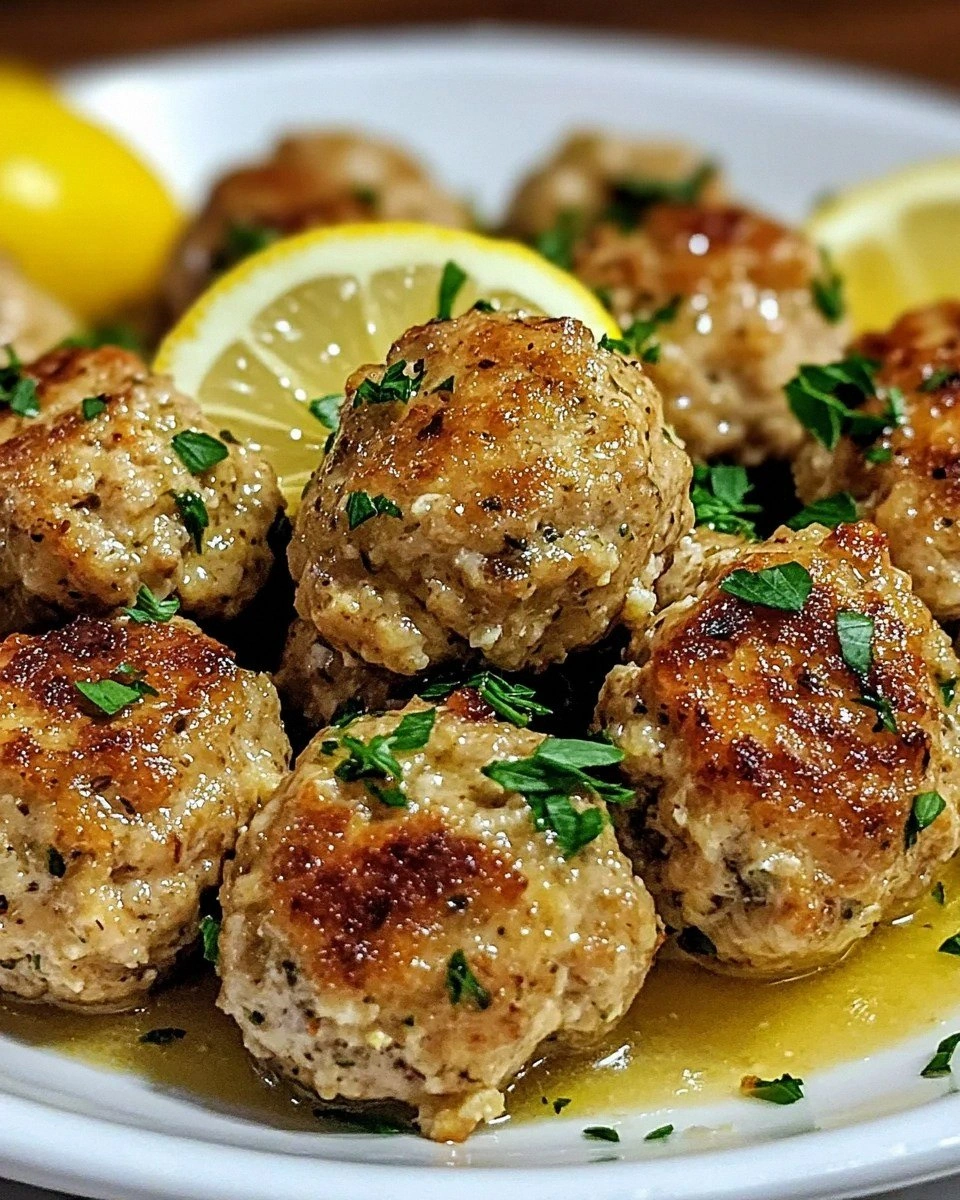
The moment the first meatball hit the hot pan, a sizzle erupted that sounded like applause. The aroma of garlic and butter rose like a fragrant curtain call, while the bright citrus notes of lemon cut through the richness like a perfectly timed drum solo. The texture? Imagine a golden crust that cracks with a whisper, revealing a tender, juicy interior that practically melts on the tongue. The sauce that follows clings to each bite with the silkiness of a well‑worn silk scarf, brightened by briny capers that add a pop of surprise.
Most recipes for chicken piccata stick to thin cutlets, but they miss the magic of a meatball’s bite‑size joy. Most get the sauce wrong – either too watery or overly thick, losing that delicate balance that makes piccata iconic. This version flips the script: I blend ground chicken with a whisper of Parmesan, a dash of breadcrumbs, and a secret splash of white wine that lifts the flavor sky‑high. The result is a dish that’s both comforting and elegant, perfect for a quick weeknight dinner or a show‑stopping party appetizer.
And here’s the kicker: I’m using a splash of chicken broth and a squeeze of fresh lemon right at the end, creating a glaze that coats the meatballs like velvet. I dare you to taste this and not go back for seconds – it’s that good. Let me walk you through every single step — by the end, you’ll wonder how you ever made it any other way.
What Makes This Version Stand Out
- Flavor Explosion: The marriage of lemon zest, capers, and a hint of white wine creates a bright, tangy sauce that lifts the humble chicken to new heights.
- Texture Triumph: A light breadcrumb coating gives each bite a crisp edge that shatters like thin ice, while the interior stays moist and tender.
- Simplicity: All ingredients are pantry‑friendly; you won’t need a trip to a specialty store to pull this off.
- Unique Twist: Using ground chicken instead of cutlets makes the dish faster to cook and easier to portion for a crowd.
- Crowd Reaction: Guests often claim they’ve never tasted piccata this way, leading to endless requests for seconds.
- Ingredient Quality: Fresh lemon juice and high‑quality capers are the unsung heroes that make the sauce sing.
- Cooking Method: Pan‑searing followed by a quick deglaze locks in flavor while keeping the kitchen manageable.
- Make‑Ahead Potential: The meatballs can be formed ahead of time and frozen, ready for a stress‑free dinner.
Alright, let's break down exactly what goes into this masterpiece...
Inside the Ingredient List
The Flavor Base
Ground chicken is the canvas here – it’s lean, mild, and absorbs flavors like a sponge. Using 1 lb gives you enough volume to make generous meatballs without them becoming dry. If you substitute turkey, expect a slightly different texture; turkey can be a bit drier, so you might want to add a splash more broth. Choose a package that’s bright pink and free of any grayish hue; that indicates freshness. The fresh lemon juice (2 tablespoons) is the spark that cuts through the butter, delivering that signature piccata zing.
The Texture Crew
Flour (½ cup) and breadcrumbs (¾ cup) work together to create that golden crust. The flour adheres to the meatball surface, while the breadcrumbs add a light, airy crunch. If you’re gluten‑free, swap the all‑purpose flour for rice flour and use gluten‑free panko; the texture will stay delightfully crisp. Parmesan cheese (¼ cup, grated) adds a nutty depth and helps bind the mixture, ensuring the meatballs hold together during the sear.
The Unexpected Star
Capers (2 teaspoons, drained) are the surprise guest that brings briny bursts of flavor. They’re often overlooked, but they’re essential for that authentic piccata tang. If you can’t find capers, a teaspoon of finely chopped green olives can mimic the salty punch, though the flavor profile will shift slightly. The garlic cloves (2, minced) provide a warm, aromatic backbone; crush them lightly before mincing to release more of that aromatic oil.
The Final Flourish
Butter (3 tablespoons) and olive oil (2 tablespoons) combine for a balanced sear – the oil raises the smoke point while butter adds richness. The chicken broth (½ cup) and dry white wine (¼ cup) deglaze the pan, lifting the caramelized bits into a silky sauce. Salt (1 tsp) and pepper (½ tsp) are the silent conductors that bring everything together. Finally, a sprinkle of fresh parsley (2 tablespoons) at the end adds a pop of color and a fresh herb note that brightens the dish.
Everything's prepped? Good. Let's get into the real action...
The Method — Step by Step
Start by placing the ground chicken in a large mixing bowl. Add the flour, breadcrumbs, grated Parmesan, minced garlic, salt, and pepper. Using your hands, gently combine everything until just incorporated – over‑mixing will make the meatballs tough, and you’ll hear that warning sigh from the chicken. Once mixed, form the mixture into 1‑inch balls; you should get about 20 meatballs. This is the moment of truth – if the mixture feels too wet, sprinkle a little extra flour, but keep it minimal.
Kitchen Hack: Chill the formed meatballs for 15 minutes before cooking; this firms them up and reduces the chance of them falling apart in the pan.Heat a large skillet over medium‑high heat. Add the olive oil and let it shimmer – you’ll know it’s ready when a drop of water sizzles and evaporates instantly. Then, add the butter; as it melts, swirl it around to coat the pan evenly. This combination raises the smoke point just enough to give you a golden crust without burning.
Place the meatballs in the hot pan, leaving a little space between each. You should hear a satisfying sizzle that sounds like applause from a tiny audience. Cook them for about 3‑4 minutes on each side, turning gently with tongs. The exterior will turn a deep amber, and the edges will start pulling away from the pan – that’s your cue that a crust has formed.
When the meatballs are browned, remove them to a plate and set aside. Do not discard the pan juices; they’re the foundation of the sauce. If there’s excess fat, spoon out about a tablespoon, leaving the flavorful bits stuck to the bottom.
Deglaze the pan with the white wine, pouring it in while scraping the browned bits with a wooden spoon. The wine will hiss and reduce in about a minute, releasing a fragrant aroma that hints at the final sauce. Then add the chicken broth and lemon juice, stirring constantly. Let the mixture simmer for 3‑4 minutes until it thickens slightly and coats the back of a spoon.
Watch Out: Keep the heat at medium; too high and the sauce will reduce too quickly, turning bitter.Add the capers and the reserved meatballs back into the pan. Spoon the sauce over each meatball, allowing them to finish cooking in the fragrant liquid for another 5 minutes. This gentle simmer lets the meatballs absorb the lemon‑caper essence while staying moist.
Finish with a final swirl of butter – this enriches the sauce, giving it that glossy, restaurant‑quality sheen. Sprinkle the chopped parsley over the top; the green specks brighten the dish visually and add a fresh herbal note that balances the richness.
Serve the meatballs hot, spooning extra sauce over a bed of pasta, rice, or even a crisp salad. The aroma will fill the kitchen, and you’ll hear the delighted gasps of anyone nearby. Picture yourself pulling this out of the pan, the whole kitchen smelling incredible, and the first bite delivering that perfect mix of tang, butter, and savory chicken.
That’s it — you did it. But hold on, I've got a few more tricks that'll take this to another level, from plating hacks to secret seasoning boosts that keep your guests coming back for more.
Insider Tricks for Flawless Results
The Temperature Rule Nobody Follows
Keeping your pan at a steady medium‑high heat is crucial. If the temperature spikes, the exterior will burn before the interior cooks through, leaving a bitter aftertaste. I once cranked the heat to high in a rush; the meatballs blackened, and the sauce turned acrid. The fix? Use a heavy‑bottomed skillet that distributes heat evenly, and always let the oil shimmer before adding the meatballs. This rule ensures a uniform crust and a juicy center every time.
Why Your Nose Knows Best
Your sense of smell is the ultimate timer. When the butter starts to turn golden and you detect a nutty fragrance, you’re at the perfect sear point. If you hear a faint hissing sound and smell a faint burnt note, pull the meatballs off the heat immediately. Trusting your nose saves you from over‑cooking and guarantees that the sauce retains its bright lemony punch.
The 5‑Minute Rest That Changes Everything
After the meatballs finish cooking, let them rest in the sauce for five minutes off the heat. This short pause lets the juices redistribute, making each bite melt‑in‑your‑mouth. I’ve seen people rush to plate, only to bite into a dry center; a brief rest eliminates that problem. Cover the pan with foil to keep the heat in while the flavors meld.
Capers: The Briny Booster
Capers can be a game‑changer, but they’re easy to overuse. A little goes a long way; too many will dominate the delicate lemon flavor. Rinse them briefly before adding to the sauce to remove excess brine, then pat dry. This step ensures the sauce stays bright and not overly salty.
Lemon Zest Over Juice
While the recipe calls for lemon juice, adding a teaspoon of finely grated lemon zest right at the end lifts the flavor to a new level. The zest carries essential oils that give a fragrant, aromatic lift that juice alone can’t achieve. If you skip this, you’ll still have a good dish, but the zest adds that “wow” factor that makes people ask for the recipe.
Creative Twists and Variations
This recipe is a playground. Here are some of my favorite ways to switch things up:
Spicy Piccata Kick
Add a pinch of red pepper flakes to the meatball mixture and a splash of hot sauce to the sauce. The heat pairs beautifully with the lemon, creating a lively contrast that will please anyone who loves a little fire.
Herb‑Infused Delight
Swap parsley for fresh basil or thyme, and add a teaspoon of dried oregano to the meatball blend. These herbs introduce earthy notes that complement the bright citrus, turning the dish into a Mediterranean feast.
Creamy Piccata Variation
Stir in ¼ cup of heavy cream at the end of the sauce simmer. The cream softens the acidity, creating a richer, velvety coating that feels like a luxurious hug for each meatball.
Gluten‑Free Adaptation
Replace all‑purpose flour with almond flour and use gluten‑free panko breadcrumbs. The almond flour adds a subtle nutty flavor, while the gluten‑free crumbs still provide that satisfying crunch.
Veggie‑Boosted Version
Fold finely grated zucchini or carrot into the meatball mixture. The added moisture keeps the meatballs extra juicy, and the veggies introduce a sweet undertone that balances the tangy sauce.
Storing and Bringing It Back to Life
Fridge Storage
Allow the meatballs and sauce to cool to room temperature, then transfer them to an airtight container. They’ll keep for up to 3 days. When reheating, add a splash of water or broth and gently warm on the stovetop, stirring until the sauce regains its silky sheen.
Freezer Friendly
Place uncooked, formed meatballs on a parchment‑lined tray and freeze until solid. Transfer to a zip‑top bag; they’ll stay good for up to 2 months. When you’re ready, pop them straight into a hot skillet, adding an extra minute to the cooking time, and then proceed with the sauce as usual.
Best Reheating Method
For the ultimate texture, reheat the meatballs in a skillet over medium heat, adding a tiny splash of water before covering. The steam revives the crust while the sauce thickens back to its original glossy state. Avoid microwaving; it will make the crust soggy and the sauce rubbery.