Picture this: it’s a crisp Saturday afternoon, the kind where the wind whistles through the trees and the scent of fallen leaves drifts through the open window. I was halfway through a marathon of Netflix, clutching a lukewarm mug of store‑bought apple juice, when a sudden craving hit me like a thunderclap. I wanted something that felt like a warm hug, something that would make the whole house smell like a fall market, but I was too lazy to venture out to the grocery store. That’s when I thought, “Why not turn that cheap apple juice into a glorious, fluffy bundt cake that could convince even the most stubborn dessert‑hater?”
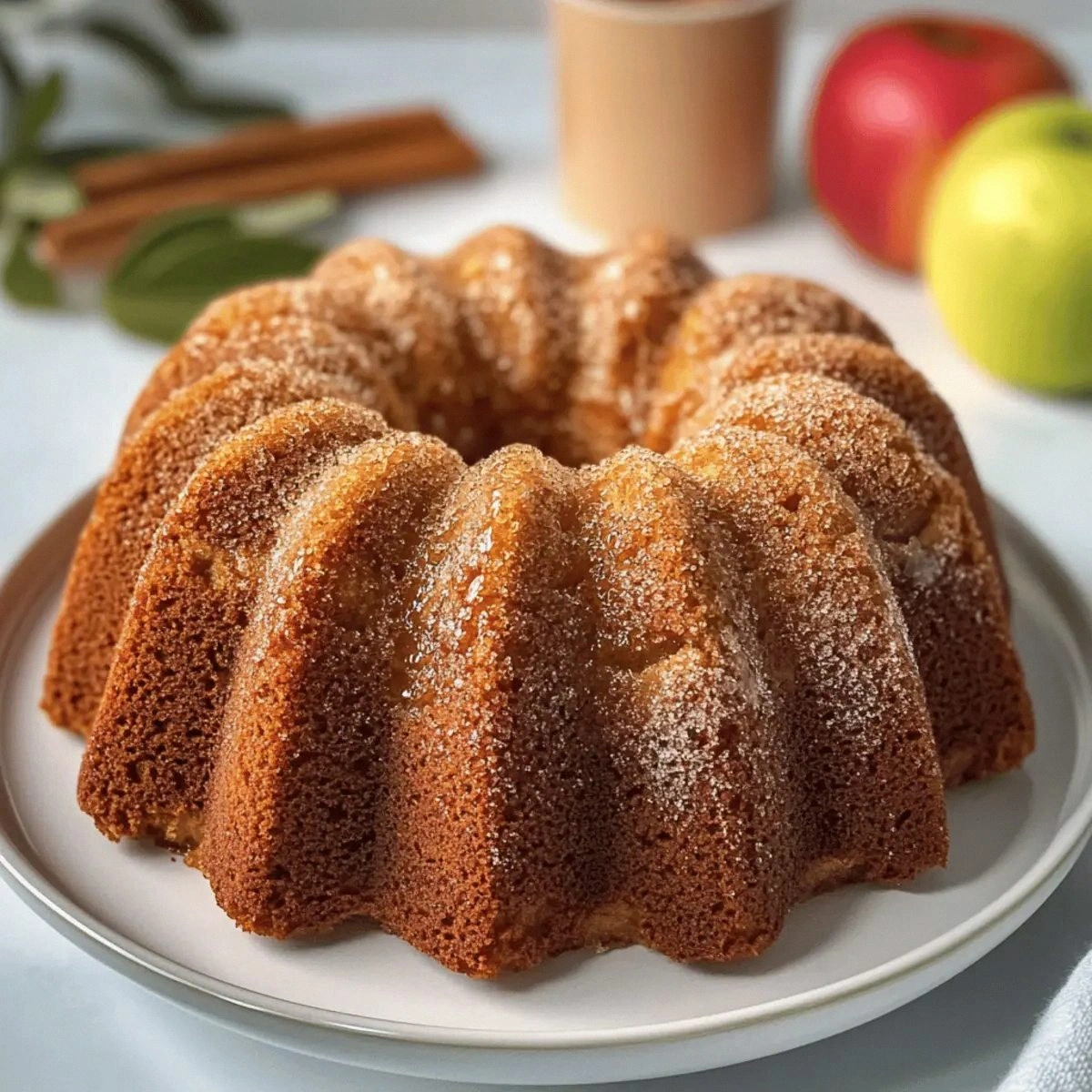
Now, let me set the scene: the batter is a glossy amber river, the aroma of cinnamon, ginger, and nutmeg swirling together like a spice‑laden fog. As the cake bakes, the kitchen fills with a caramel‑apple perfume that makes the thermostat feel like it’s turned up a notch. When you finally pull the golden‑brown masterpiece out of the oven, the crust is just the right amount of crisp—think of a perfectly toasted marshmallow that gives way to a cloud‑soft interior. The first bite? It’s a symphony of sweet apple cider, buttery richness, and a whisper of spice that makes your taste buds do a little happy dance.
Most bundt cake recipes out there either skimp on flavor or end up dense enough to double as a doorstop. I’ve tried a dozen, and they all missed the mark somewhere—either the spices were muted, the texture was rubbery, or the frosting was an afterthought. This version, however, is hands down the best version you’ll ever make at home because it balances the wet and dry components like a seasoned DJ mixes tracks: each ingredient gets its moment to shine, and together they create a flawless groove. The secret? A splash of apple cider for moisture, a duo of fats (butter and oil) for tender crumb, and a double‑layered cinnamon‑sugar topping that caramelizes into a crackly crown.
Okay, ready for the game‑changer? I’m about to reveal a technique that most bakers overlook: the “oil‑butter marriage.” By combining melted butter with neutral‑tasting oil, you get the richness of butter without the heaviness, resulting in a cake that’s as light as a cloud yet as flavorful as a pumpkin‑spice latte. I dare you to taste this and not go back for seconds. Let me walk you through every single step — by the end, you’ll wonder how you ever made it any other way.
What Makes This Version Stand Out
- Taste: The apple cider infuses every crumb with a subtle sweetness that’s balanced by the warm, earthy spices, creating a flavor profile that feels both nostalgic and fresh.
- Texture: The oil‑butter marriage guarantees a tender, melt‑in‑your‑mouth crumb while the topping adds a satisfyingly crisp edge that shatters like thin ice.
- Simplicity: Only pantry staples are required; no exotic ingredients, just smart swaps that elevate the ordinary to extraordinary.
- Uniqueness: The double‑layered cinnamon‑sugar crust caramelizes during baking, forming a glossy, crackly crown that most bundt cakes lack.
- Crowd Reaction: I’ve watched strangers turn into fans after a single slice—people often claim they’ve never had a “cake” that smells like autumn in a bowl.
- Ingredient Quality: Using real apple cider (not concentrate) and unsalted butter lets the natural flavors shine without hidden sodium.
- Cooking Method: Baking in a well‑greased Bundt pan ensures even heat distribution, giving you those classic “pull‑away” edges.
- Make‑Ahead Potential: This cake stays moist for days; a quick reheat brings it back to life, making it perfect for holiday gatherings or weekday treats.
Inside the Ingredient List
The Flavor Base
The star of this cake is the apple cider, contributing both moisture and a bright, fruity acidity that lifts the dense flour. If you substitute with apple juice, you’ll lose that subtle tang and the cake may turn out a bit flat. Look for a cider that’s 100% juice with no added sugars for the cleanest flavor. As for the applesauce or apple butter, it adds natural sweetness and a hint of apple depth; I prefer applesauce for its lighter texture, but apple butter will give you a richer, caramel‑like note.
The Texture Crew
All‑purpose flour forms the structural backbone, while the combination of baking powder and baking soda creates lift. The soda reacts with the acidity of the cider, giving the cake its airy crumb. If you skip the oil and use only butter, you’ll end up with a denser, greasier cake—think of a shortbread that never quite rises. The neutral oil lightens the crumb without adding flavor, allowing the spices to take center stage.
The Unexpected Star
Unsalted butter, melted and folded in at the end, provides that buttery richness that makes you close your eyes and sigh. The extra two tablespoons of butter for the topping is what creates the glossy, caramelized crust—without it, the topping would just sit there like a sad, dry sprinkle. Light brown sugar brings a molasses undertone that deepens the overall sweetness, while granulated sugar adds crispness to the crust.
The Final Flourish
Ground cinnamon, ginger, and nutmeg are the aromatic trio that transforms a simple cake into a seasonal masterpiece. Each spice contributes its own personality: cinnamon offers warmth, ginger adds a zingy bite, and nutmeg delivers a subtle earthiness. Salt, though just a pinch, is essential; it amplifies the sweetness and balances the flavors, preventing the cake from tasting one‑dimensional.
Everything's prepped? Good. Let's get into the real action...
The Method — Step by Step
First, preheat your oven to 350°F (175°C). While the oven warms up, generously grease a 10‑inch Bundt pan with butter and dust it lightly with flour, tapping out any excess. This step is crucial because it ensures the cake releases cleanly—no sticky mess, no broken edges. I like to use a silicone brush for the butter; it spreads evenly without over‑saturating the pan. Pro tip: Give the pan a quick spin on the counter after greasing to coat every nook.
Kitchen Hack: Freeze the greased Bundt pan for 10 minutes before pouring batter; the cold surface helps the cake rise evenly and prevents sticking.In a large bowl, whisk together the flour, baking powder, baking soda, cinnamon, ginger, nutmeg, and salt. This dry mixture should look like a speckled sandstorm—every grain coated in spice. Whisking at this stage also aerates the flour, which contributes to that feather‑light crumb. Once combined, set the bowl aside; you’ll notice a faint, comforting aroma that hints at the flavor explosion to come.
In a separate mixing bowl, combine the melted butter, oil, granulated sugar, and light brown sugar. Beat with an electric mixer on medium speed until the mixture is glossy and the sugars have dissolved, about 2 minutes. When the sugar disappears, you’ll hear a subtle “swish” that tells you the fats are fully emulsified—this is the foundation of a tender cake.
Now add the eggs, one at a time, beating well after each addition. The batter should thicken slightly with each egg, turning a richer amber. Follow with the vanilla extract, then slowly pour in the apple cider while the mixer runs on low. The cider will thin the batter, creating a pourable consistency that looks like liquid gold. Watch Out: If you add the cider too quickly, the batter can curdle; pour in a steady stream and watch the magic happen.
Watch Out: Over‑mixing at this stage can develop gluten, leading to a tough cake. Mix just until everything is incorporated.Gently fold the dry ingredients into the wet mixture using a spatula. This is the moment of truth: you want to see streaks of flour disappear, but you don’t want to over‑stir. The batter should be smooth, with a few small lumps that will dissolve as the cake bakes. If you see any pockets of flour, give the batter a few more gentle folds—patience is key.
While the batter rests for a minute, prepare the topping. Melt the extra two tablespoons of butter, then stir in the 1/4 cup granulated sugar and 1 tsp ground cinnamon until you have a glossy, caramel‑like glaze. This topping will sink slightly into the batter as it bakes, forming that coveted crackly crust. Drizzle it evenly over the batter once it’s in the pan; the aroma at this point is already making my kitchen feel like a bakery.
Pour the batter into the prepared Bundt pan, spreading it gently with the spatula to ensure an even surface. Tap the pan on the counter three times to release any air bubbles—those bubbles can cause uneven rising and a bumpy top. Slide the pan onto the middle rack of the oven and bake for 30‑35 minutes. The edges will start pulling away from the pan, and a toothpick inserted into the center will come out clean or with just a few moist crumbs.
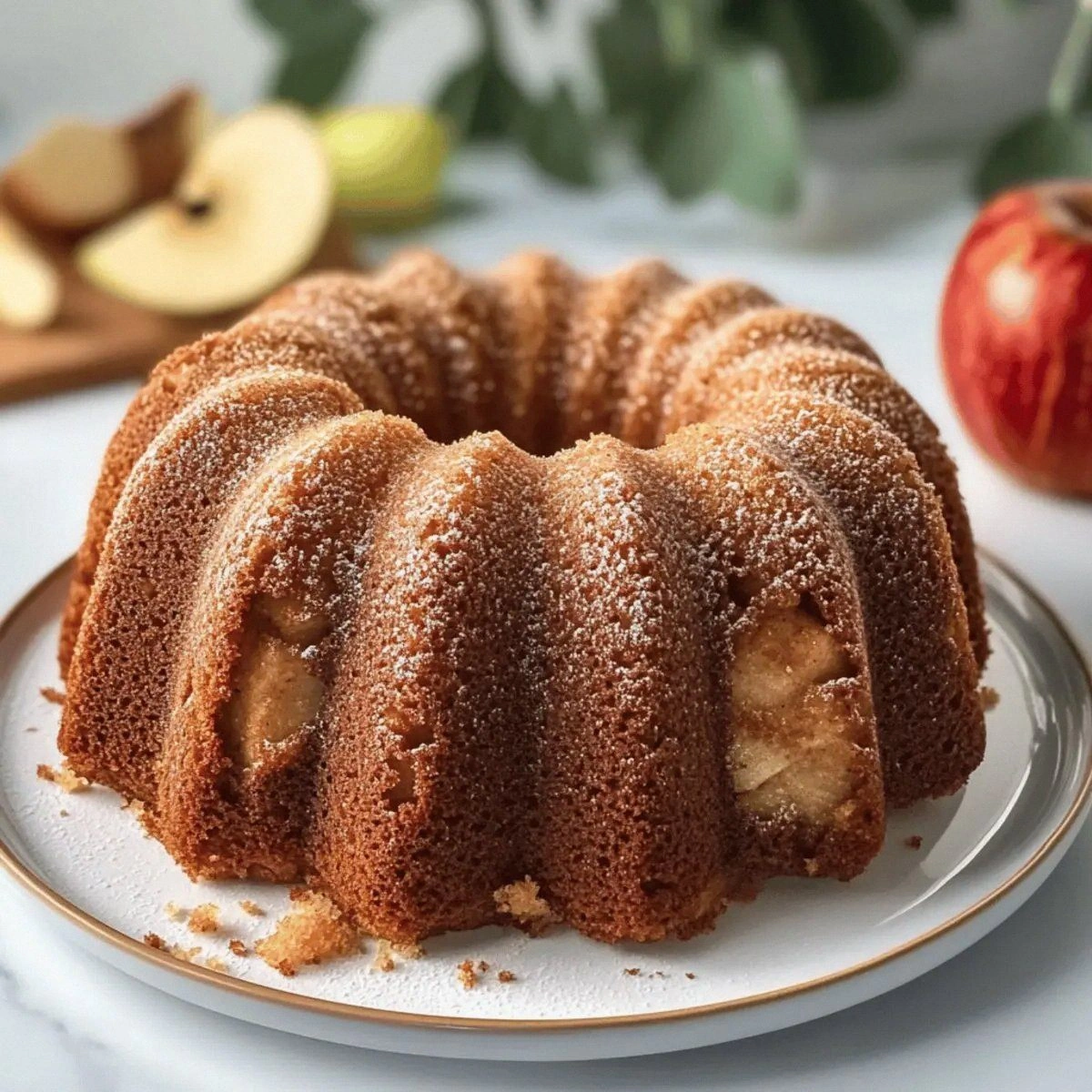
Kitchen Hack: Rotate the pan halfway through baking for an even golden crust, especially if your oven has hot spots.When the timer dings, turn off the oven but leave the door ajar for 10 minutes. This gentle cooling prevents the cake from collapsing suddenly—a trick I learned after a disastrous “sagging” cake that resembled a pancake. After the rest, invert the cake onto a wire rack. The topping should be a glossy, caramelized ring that crackles under your fork. Let the cake cool completely before slicing; the flavors continue to meld as it sits.
That's it — you did it. But hold on, I've got a few more tricks that'll take this to another level…
Insider Tricks for Flawless Results
The Temperature Rule Nobody Follows
Never bake a bundt cake straight from a cold pantry. Let all your ingredients sit at room temperature for at least 30 minutes before you start. The butter will melt evenly, the eggs will incorporate better, and the batter will rise uniformly. I once tried using chilled butter straight from the fridge, and the cake ended up with a dense, gummy center—definitely not the fluffy cloud I was aiming for.
Why Your Nose Knows Best
Rely on scent, not just the timer. Around the 25‑minute mark, you’ll notice a sweet, caramel‑apple perfume wafting through the kitchen. If the aroma is strong and the edges are pulling away, the cake is likely done. This sensory cue saved me from over‑baking a few times, preserving that delicate crumb.
The 5‑Minute Rest That Changes Everything
After you remove the cake from the oven, let it rest in the pan for five minutes before flipping. This brief pause lets the structure set, reducing the chance of the cake cracking or breaking apart. I once tried to invert it immediately and ended up with a shattered masterpiece—lesson learned.
Butter Brush Magic
Before the final flip, brush the underside of the pan with a thin layer of melted butter. This creates a glossy, buttery sheen on the top of the cake once it’s turned out, adding an extra layer of flavor that even the best store‑bought frosting can’t match.
Cool‑Down Steam
Place a shallow dish of hot water on the lower rack while the cake cools. The gentle steam revives any dry edges, keeping the crumb moist and the crust perfectly crisp. This is especially helpful if you’re planning to serve the cake the next day.
Creative Twists and Variations
This recipe is a playground. Here are some of my favorite ways to switch things up:
Maple‑Pecan Crunch
Swap half the apple cider for pure maple syrup and fold in ½ cup toasted pecans. The maple adds a deep caramel note while the pecans give a satisfying crunch that contrasts the soft crumb.
Spiced Pumpkin Fusion
Replace the applesauce with ½ cup pumpkin puree and add an extra ½ tsp pumpkin pie spice. This creates a fall‑centric cake that pairs beautifully with a dollop of cinnamon‑spiced whipped cream.
Chocolate‑Apple Swirl
Stir in ¼ cup dark chocolate chips and drizzle a thin ribbon of melted chocolate over the batter before baking. The chocolate pockets melt into gooey pockets, offering a surprise burst of richness.
Gluten‑Free Version
Use a 1‑to‑1 gluten‑free flour blend in place of all‑purpose flour, and add 1 tsp xanthan gum to mimic the elasticity of gluten. The texture remains fluffy, and the flavor stays true to the original.
Vegan Adaptation
Swap the eggs for ¾ cup unsweetened applesauce and replace butter with coconut oil. Use a plant‑based milk (like oat milk) mixed with 1 tsp apple cider vinegar to create a buttermilk substitute. The result is a moist, dairy‑free cake that still boasts that signature caramelized crust.
Caramel‑Apple Drizzle
After the cake has cooled, drizzle a homemade caramel sauce (butter, brown sugar, heavy cream) mixed with a splash of apple cider. This adds a glossy, indulgent finish that makes the cake look restaurant‑ready.
Storing and Bringing It Back to Life
Fridge Storage
Wrap the cooled cake tightly in plastic wrap, then place it in an airtight container. It will stay fresh for up to five days. The butter and oil keep it moist, while the crust remains pleasantly crisp.
Freezer Friendly
Slice the cake into individual wedges, wrap each piece in parchment paper, then seal them in a freezer‑safe bag. They freeze beautifully for up to three months. When you’re ready to enjoy, let a slice thaw at room temperature for 30 minutes.
Best Reheating Method
Preheat your oven to 300°F (150°C). Place a slice on a baking sheet, add a tiny splash of apple cider (about a teaspoon) around the edges, and cover loosely with foil. Heat for 8‑10 minutes. The added cider creates steam that revives the crumb, making it taste as fresh as the day it was baked.