I was standing in my kitchen at 2 a.m., half‑asleep, when the neighbor’s kid burst in demanding “the best fritters ever!” I stared at my pantry, saw a lonely bag of flour, a few apples that were about to turn into mush, and thought, why not turn this disaster into a masterpiece? The first batch I tossed into the oil was a mess – soggy, greasy, and about as appealing as a wet sock – but I refused to give up. I went back to the drawing board, tweaked the batter, cranked the heat, and added a secret glaze that makes the fritters shine like a bakery window on a crisp autumn morning.
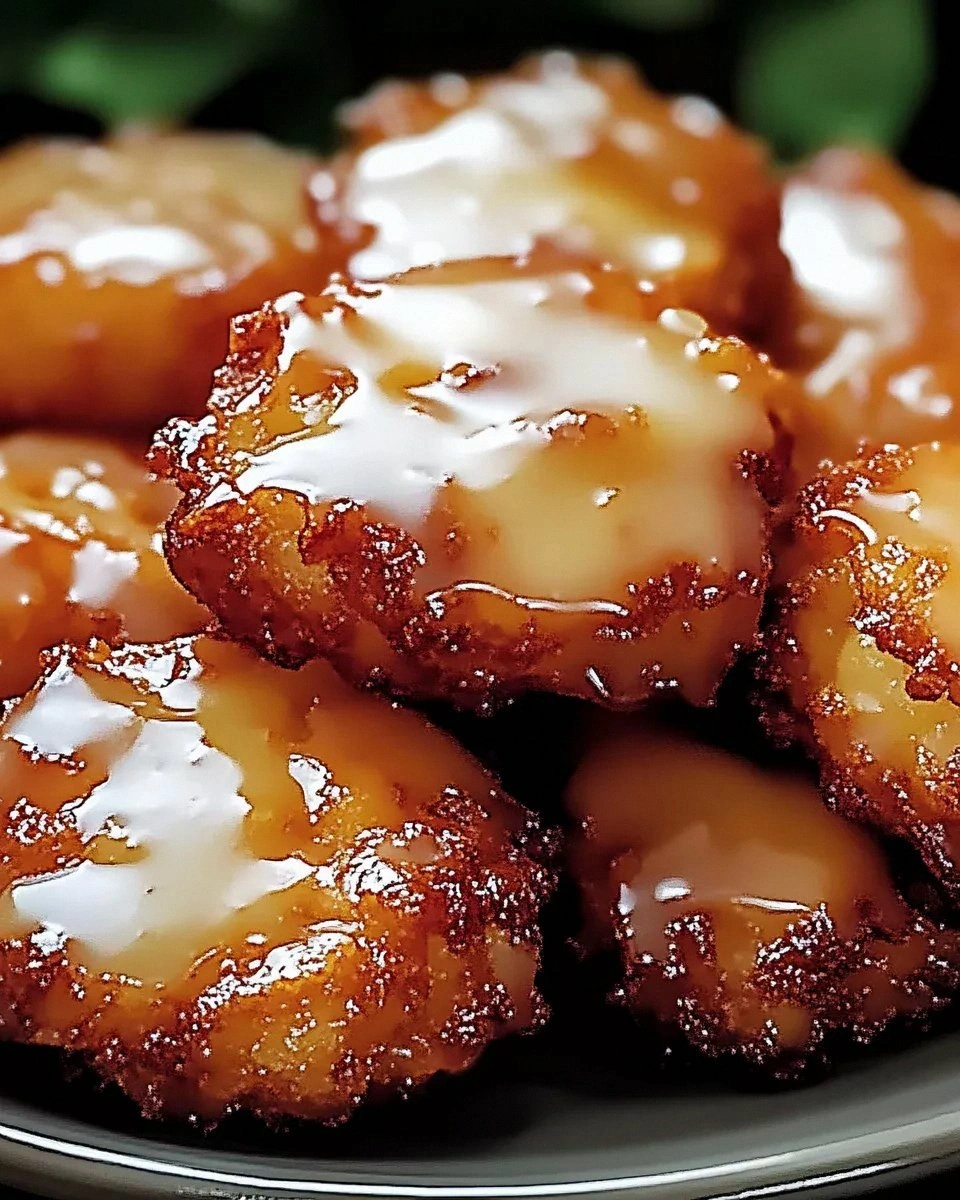
Imagine the moment you pull a golden‑brown fritter from the pan, the aroma of caramelized apples and cinnamon swirling around you like a warm hug. You hear the faint sizzle as the oil kisses the batter, see the edges turn a perfect amber, feel the light crunch under your fingertips, and then you bite – the interior is fluffy, sweet, and just‑the‑right‑chewy, while the glaze clings like a glossy coat of sugar‑spun silk. That’s the sensory roller coaster I’m promising you today. This isn’t just a snack; it’s a full‑on experience that makes you feel like you’ve just stepped into a downtown bakery without leaving your kitchen.
Most apple fritter recipes either drown the fruit in batter or forget the glaze entirely, leaving you with a dry, flavorless bite. This version stands out because the batter is light enough to let the apple pieces shine, yet sturdy enough to hold together during frying. I’m also using a double‑vanilla approach – one splash in the batter and another in the glaze – that adds depth without being overpowering. And the best part? You only need a few pantry staples and a skillet; no deep‑fried monster equipment required. I dare you to taste this and not go back for seconds.
Okay, ready for the game‑changer? I’m about to reveal a technique that most home cooks overlook: chilling the batter for just ten minutes before frying. This tiny pause lets the gluten relax, giving you that melt‑in‑your‑mouth texture that most bakery‑style fritters boast. Let me walk you through every single step — by the end, you’ll wonder how you ever made it any other way.
What Makes This Version Stand Out
- Flavor Explosion: The blend of cinnamon, nutmeg, and two layers of vanilla creates a warm, aromatic profile that lingers on the palate long after the last bite.
- Texture Harmony: A light, airy interior meets a crisp, caramelized exterior, delivering a satisfying crunch that shatters like thin ice.
- Simplicity: With just a handful of ingredients and a single skillet, you can achieve bakery‑level results without a commercial kitchen.
- Ingredient Quality: Using fresh, crisp apples and real butter instead of margarine elevates the overall taste and mouthfeel.
- Crowd Reaction: These fritters have a proven track record of clearing plates at brunches, potlucks, and even midnight snack raids.
- Make‑Ahead Potential: The batter can be pre‑mixed and stored for up to an hour, and the glazed fritters reheat beautifully, making them perfect for make‑ahead breakfasts.
- Versatile Glaze: The simple powdered‑sugar glaze can be tinted, flavored, or swapped for a chocolate drizzle, giving you endless customization.
- Cooking Method: Shallow frying in vegetable oil creates that coveted “deep‑fried” crunch without the mess of a full‑size fryer.
Inside the Ingredient List
The Flavor Base
The granulated sugar (⅓ cup) isn’t just for sweetness; it caramelizes during frying, creating that golden crust you crave. If you substitute brown sugar, you’ll get a deeper molasses note, but you might lose some of the crispness. Ground cinnamon (1 tsp) and ground nutmeg (¼ tsp) are the dynamic duo that give the fritters their classic fall vibe. Skip them, and you’ll end up with bland, one‑dimensional bites. For a spice‑kick, try adding a pinch of cardamom or ginger.
The Texture Crew
All‑purpose flour (2 cups) provides the structure, but the secret to a light batter is the balance between flour and liquid. Over‑mixing will develop gluten, leading to dense fritters, so stir just until combined. Baking powder (2 tsp) is the leavening hero, creating air pockets that puff the interior. Salt (½ tsp) enhances every other flavor and keeps the batter from tasting flat. If you’re watching sodium, you can reduce it to ¼ tsp without sacrificing taste.
The Unexpected Star
Unsalted butter (2 tbsp), melted into the batter, adds richness and helps the fritters brown evenly. Using butter instead of oil in the batter gives a buttery aroma that you can’t get from oil alone. Whole milk (½ cup) adds moisture and a slight creaminess; you could swap it for almond or oat milk for a dairy‑free version, but expect a subtle flavor shift. The large eggs (2) act as binders, ensuring the apple pieces stay suspended in the batter rather than sinking.
The Final Flourish
Diced apples (1½ cups) are the heart of this recipe. Choose a firm variety like Granny Smith or Honeycrisp; they hold their shape during frying and provide that satisfying bite. If you use a softer apple, the pieces may turn mushy, compromising texture. Powdered sugar (1 cup) forms the glaze, giving the fritters a glossy finish that looks bakery‑professional. The glaze’s milk (2–3 tbsp) thins it to the perfect drippable consistency, while a splash of vanilla extract (½ tsp) adds a fragrant finish. Feel free to experiment with maple syrup or orange zest for a twist.
Everything's prepped? Good. Let's get into the real action…
The Method — Step by Step
Gather all your ingredients and give the diced apples a quick toss with a pinch of cinnamon and a drizzle of sugar. This pre‑spice step ensures every bite bursts with flavor. Set the apples aside while you prep the batter; the scent of sweetened apples will already be filling the kitchen, building anticipation.
In a large mixing bowl, whisk together the flour, granulated sugar, baking powder, salt, ground cinnamon, and nutmeg. The dry mixture should look uniform, with no clumps of spice. That sizzle when it hits the pan? Absolute perfection. This is the foundation; any unevenness will translate to uneven texture later.
In a separate bowl, beat the two eggs, then stir in the milk, melted butter, 2 tsp vanilla extract, and a splash of vegetable oil (just a tablespoon). The liquid should be smooth and glossy.
Kitchen Hack: Use a fork to break the yolks instead of a whisk for a lighter batter; this reduces air bubbles that could cause uneven frying.Make a well in the center of the dry ingredients and pour the wet mixture in. Gently fold with a rubber spatula until just combined; a few streaks of flour are okay. Over‑mixing will develop gluten, turning your fritters tough instead of fluffy. Let the batter rest for ten minutes, covered, to let the gluten relax – this is the secret that makes the interior airy.
While the batter rests, heat a deep skillet or Dutch oven with about 1 inch of vegetable oil to 350°F (175°C). Use a thermometer; if the oil is too cool, the fritters will absorb excess oil and become greasy. If it’s too hot, the outside will burn before the inside cooks.
Watch Out: Adding batter to oil that isn’t hot enough will cause the fritters to sink and become soggy.Using a tablespoon or small ice‑cream scoop, drop dollops of batter into the hot oil, then immediately fold in a few pieces of the spiced apple mixture. The batter should sizzle on contact, forming a tiny whirlpool around the apple. Fry in batches, making sure not to overcrowd the pan; overcrowding drops the oil temperature and leads to uneven browning.
Fry each batch for 2‑3 minutes per side, or until the edges turn a deep amber and the fritters float to the surface. The aroma will be intoxicating – think caramelized apples meeting buttery dough. Use a slotted spoon to lift the fritters and place them on a wire rack set over a baking sheet to drain excess oil. This keeps the bottom crisp.
While the fritters cool slightly, whisk together the powdered sugar, 2‑3 tbsp milk, and ½ tsp vanilla extract to create a glossy glaze. Adjust the milk amount until you achieve a drizzle‑ready consistency; it should coat the fritters without running off like water.
Drizzle the glaze over the warm fritters, allowing it to set for a minute before serving. The glaze will harden just enough to give a subtle crunch, while still providing that sweet, melt‑in‑your‑mouth finish. Serve immediately, or let them sit for a few minutes – the flavor actually deepens as the glaze settles.
That's it — you did it. But hold on, I've got a few more tricks that'll take this to another level…
Insider Tricks for Flawless Results
The Temperature Rule Nobody Follows
Never assume your stovetop heat is accurate; always use a candy thermometer. A stable 350°F ensures the batter crisps instantly, sealing in steam for that airy interior. I once tried a “low‑and‑slow” approach, and the fritters turned out soggy, like a sad pancake. Trust the thermometer, and you’ll get that bakery‑level crunch every single time.
Why Your Nose Knows Best
Your sense of smell is the ultimate doneness gauge. When the oil starts to smell nutty and the batter takes on a caramel scent, the fritters are ready to flip. If you rely solely on color, you might over‑cook and lose that tender crumb. Follow the nose, and you’ll nail that perfect golden hue.
The 5‑Minute Rest That Changes Everything
After frying, let the fritters rest on a wire rack for exactly five minutes before glazing. This short pause lets excess oil drain and the interior steam settle, preventing the glaze from becoming soggy. One of my friends tried glazing immediately and ended up with a gummy coating – a classic rookie mistake.
Glaze Consistency Cheat
If your glaze is too thick, whisk in a few drops of warm milk at a time. Too thin? Add a dusting of powdered sugar. The goal is a pour‑able glaze that clings without sliding off. A well‑balanced glaze adds a sweet sheen that makes the fritters look as good as they taste.
Apple Prep Perfection
Toss the diced apples with a pinch of flour before folding them into the batter. This tiny coating prevents the fruit from sinking and helps them stay suspended, giving you that even apple distribution in every bite. Skipping this step often leads to a few unlucky fritters that end up apple‑free.
Creative Twists and Variations
This recipe is a playground. Here are some of my favorite ways to switch things up:
Maple‑Brown Sugar Glaze
Replace half of the powdered sugar with brown sugar and stir in a tablespoon of pure maple syrup. The result is a deeper, caramel‑like glaze that pairs beautifully with the cinnamon‑spiced batter.
Cranberry‑Apple Fusion
Add a handful of dried cranberries to the apple mixture. The tartness of the cranberries balances the sweetness, creating a festive flavor perfect for holiday brunches.
Chocolate Drizzle Delight
Melt dark chocolate and drizzle it over the glazed fritters instead of the vanilla glaze. The bitter‑sweet contrast turns the fritters into a dessert that feels indulgent yet sophisticated.
Spiced Pumpkin Variation
Swap half of the apples for canned pumpkin puree, and add a pinch of pumpkin pie spice. This gives you a fall‑focused fritter that’s perfect for October gatherings.
Savory Herb Twist
Omit the cinnamon and nutmeg, and instead fold in fresh rosemary and thyme with the apples. Finish with a light dusting of sea salt instead of a sweet glaze for an unexpected savory snack.
Storing and Bringing It Back to Life
Fridge Storage
Place cooled fritters in an airtight container lined with parchment paper. They’ll stay fresh for up to three days. When ready to eat, reheat in a pre‑heated 350°F oven for 5‑7 minutes; the crust will regain its crunch.
Freezer Friendly
Arrange unfrosted fritters on a baking sheet, freeze until solid, then transfer to a zip‑top bag. They keep for up to two months. To reheat, bake straight from frozen at 375°F for 10‑12 minutes, adding a splash of water to the tray to create steam and prevent drying.
Best Reheating Method
For the ultimate texture, use a skillet over medium heat with a thin layer of oil. Add a tiny splash of water to the pan, cover, and let the fritters steam for 30 seconds before uncovering to crisp the bottom. This technique restores the original crunch without sacrificing the soft interior.