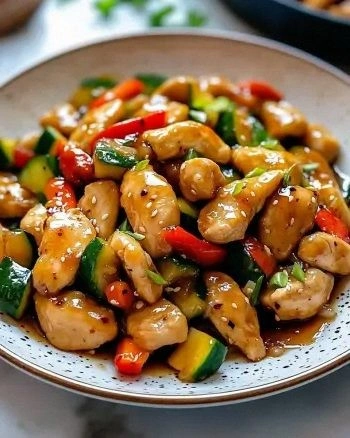
I was standing in my kitchen at 2 a.m., the fridge humming like a lazy cat, and a sudden craving for something sweet, salty, and downright addictive hit me like a rogue wave. My usual go‑to was a frozen pizza, but I was determined to prove that a quick stir‑fry could outshine any cardboard‑topped disaster. The pantry lights flickered, the garlic clove I’d just peeled whispered promises of caramelized gold, and the chicken breast I’d bought earlier that week stared back, begging for a destiny beyond blandness. I tossed together honey, soy, and a splash of sesame oil, and the moment that sauce hit the hot pan, the kitchen filled with a perfume that reminded me of a bustling Asian night market—sweet, smoky, and impossibly inviting. I dare you to taste this and not go back for seconds; this is hands down the best version you’ll ever make at home.
Picture this: the sizzle of garlic hitting a scorching wok, the honey bubbling like a tiny lava lamp, and the vegetables snapping into color as if they were tiny fireworks. You can actually hear the sauce thickening, a gentle hiss that tells you it’s about to coat every morsel in a glossy, caramel‑kissed veil. My hands were slick with a mixture of honey and soy, and the aroma was so intoxicating I nearly inhaled the entire pan. I’ll be honest — I ate half the batch before anyone else got to try it, and that’s exactly the kind of reckless joy I want you to experience. Okay, ready for the game‑changer? Let me walk you through every single step — by the end, you’ll wonder how you ever made it any other way.
Most recipes get this completely wrong. They either drown the chicken in a soggy sauce or leave the veggies limp and lifeless. What I discovered is that timing, temperature, and that tiny dash of sesame oil are the secret trinity that turns a simple stir‑fry into a culinary fireworks show. I’m not just talking about flavor; I’m talking about texture that crunches like fresh snow underfoot and a glaze that clings to each bite like velvet. The trick is simple, but the payoff is massive: a dish that feels both comforting and exciting, perfect for a weekday rush or a weekend feast. And now the fun part: we’re diving into the why, the how, and the little hacks that will make your kitchen feel like a Michelin‑star studio.
If you’ve ever struggled with a watery sauce or soggy broccoli, you’re not alone — and I’ve got the fix. The technique I’m about to share uses a cornstarch slurry that instantly thickens the glaze, locking in moisture while keeping the vegetables crisp. I also throw in a quick deglaze step that lifts the caramelized bits from the bottom of the pan, ensuring every bite is packed with that toasty, umami goodness. Stay with me here — this is worth it. By the end of this article, you’ll have a repeatable, foolproof method that makes every stir‑fry you attempt a show‑stopper.
What Makes This Version Stand Out
- Flavor Explosion: The honey‑soy glaze balances sweet and salty in a way that feels like a culinary hug, while the garlic adds a punch that lingers on the palate.
- Texture Harmony: Crisp broccoli, snap‑sweet peas, and a tender chicken bite create a mouthfeel that’s both satisfying and surprising.
- Simplicity: Only eleven core ingredients, most of which you already have on hand, mean you spend less time shopping and more time eating.
- Unique Twist: A splash of sesame oil at the end adds a nutty aroma that most generic recipes forget, elevating the dish from ordinary to unforgettable.
- Crowd Reaction: Guests will ask for seconds, and you’ll get that look of delighted surprise that says “you’ve just nailed dinner.”
- Ingredient Quality: Using fresh, crisp vegetables and a good quality honey makes the sauce shimmer like liquid amber.
- Cooking Method: High‑heat stir‑fry locks in juices, while the cornstarch slurry ensures the glaze clings without becoming gummy.
- Make‑Ahead Potential: The sauce can be pre‑mixed and stored, so you can throw together a dinner in under ten minutes on a busy night.
Inside the Ingredient List
The Flavor Base
The honey and soy sauce are the dynamic duo that define this dish. Honey brings a natural sweetness that caramelizes quickly, creating a glossy sheen that makes the stir‑fry look restaurant‑ready. Soy sauce contributes depth, umami, and that salty backbone that prevents the honey from becoming cloying. If you skip the honey, you’ll lose the signature glaze; if you ditch the soy, the dish will taste flat and one‑dimensional. For a gluten‑free twist, swap regular soy sauce for tamari without sacrificing flavor.
The Texture Crew
Broccoli florets, snap peas, and bell pepper are the colorful trio that bring crunch and freshness. Broccoli’s slight bitterness balances the sweet glaze, while snap peas add a burst of crisp, almost sugary snap that mirrors the honey’s own sweetness. The bell pepper contributes a subtle fruity note and a vivid pop of orange that makes the plate visually appealing. If you overcook these veggies, they’ll turn mushy and lose that satisfying snap—so keep an eye on the clock. A handy tip: blanch broccoli for 30 seconds before stir‑frying to preserve its bright green hue and crunch.
The Unexpected Star
Garlic is the aromatic hero that turns a simple sauce into something unforgettable. When you crush those three cloves, you release allicin, which not only adds a pungent bite but also offers health benefits like boosting immunity. The garlic should be minced finely so it distributes evenly, but not so fine that it burns instantly—watch that pan temperature! If you’re not a fan of raw garlic’s sharpness, you can roast the cloves first for a sweeter, milder flavor. Remember, the garlic’s fragrance is the first signal to your nose that something delicious is happening.
The Final Flourish
Sesame oil, though used sparingly, adds a nutty, aromatic finish that lingers after the last bite. It’s a finishing oil, not a cooking oil, because its delicate flavor evaporates quickly under high heat. The cornstarch slurry is the secret weapon that transforms the liquid glaze into a glossy coat that clings to every piece of chicken and veggie. Salt and pepper to taste are your personal seasoning knobs—adjust them after tasting the sauce to avoid over‑salting. Finally, serving the stir‑fry over steamed rice or noodles provides a neutral canvas that soaks up the sauce, making each mouthful balanced and satisfying.
Everything's prepped? Good. Let’s get into the real action...
The Method — Step by Step
Start by cutting the 1 pound of boneless chicken into bite‑size pieces, about one‑inch cubes. Toss the chicken with a pinch of salt, pepper, and half of the 2 tablespoons vegetable oil, then set aside. While the chicken rests, whisk together the 1/4 cup honey, 1/4 cup soy sauce, 1 teaspoon sesame oil, and the remaining oil in a small bowl; this will be your glaze. The mixture should look thick yet pourable, like golden syrup. Power transition: Okay, ready for the game‑changer?
Heat a large wok or skillet over medium‑high heat until a drop of water sizzles and evaporates instantly. Add the chicken in a single layer, letting it sear without moving for about 2 minutes. You’ll hear a satisfying sizzle that signals the Maillard reaction is in full swing. When the edges start pulling away and turn lightly golden, flip the pieces and cook another 2 minutes until just cooked through.
Kitchen Hack: If the chicken starts to stick, deglaze with a splash of water or broth to free the caramelized bits; they’ll enrich the sauce later.While the chicken finishes, prep the vegetables: slice the bell pepper into thin strips, separate the broccoli into small florets, and trim the snap peas. Have everything within arm’s reach because the next steps move quickly. Add the remaining 1 tablespoon of vegetable oil to the wok, then toss in the garlic, stirring for about 15 seconds until fragrant but not browned. The garlic should release a sweet, earthy aroma that makes your kitchen smell like a street‑food stall.
Watch Out: Garlic burns in a heartbeat; keep the heat at medium‑high and stir constantly.Add the broccoli florets first, stir‑frying for about 2 minutes until they turn bright green and start to soften at the edges. Then add the snap peas and bell pepper strips, continuing to toss for another 2 minutes. The vegetables should retain a crisp snap—think of biting into fresh snow on a winter morning. If you prefer them softer, add an extra minute, but remember the sauce will cling better to a firmer bite. This is the moment of truth: the pan should be alive with color and the faint scent of caramelizing garlic.
Return the cooked chicken to the wok, giving it a quick toss to combine with the veggies. Pour the honey‑soy glaze over everything, stirring vigorously so the sauce coats each piece evenly. You’ll notice the sauce bubbling and thickening within seconds, a glossy veil that looks like liquid amber. Let it simmer for 1‑2 minutes; this is where the cornstarch slurry comes into play. In a separate cup, mix 1 tablespoon cornstarch with 1 tablespoon water until smooth, then drizzle it into the pan.
Stir the slurry in quickly; the sauce should instantly thicken, reaching a velvety consistency that clings to the chicken and vegetables without pooling. Keep the heat on medium‑high for another minute, allowing the flavors to meld and the glaze to achieve that perfect sheen. Taste and adjust salt and pepper if needed—remember, the soy sauce already adds salt, so a light hand is best.
Kitchen Hack: For extra gloss, finish with a drizzle of a teaspoon of honey right before serving; it adds a subtle sheen and a hint of sweetness.Turn off the heat and give everything one final toss to ensure the sesame oil distributes evenly, imparting that nutty aroma that makes the dish unforgettable. Let the stir‑fry rest for 30 seconds; this brief pause lets the sauce settle and the flavors harmonize. While it rests, steam a pot of rice or prepare noodles according to package instructions. The rice should be fluffy, the noodles al dente—both act as neutral bases that soak up the glaze without overwhelming it.
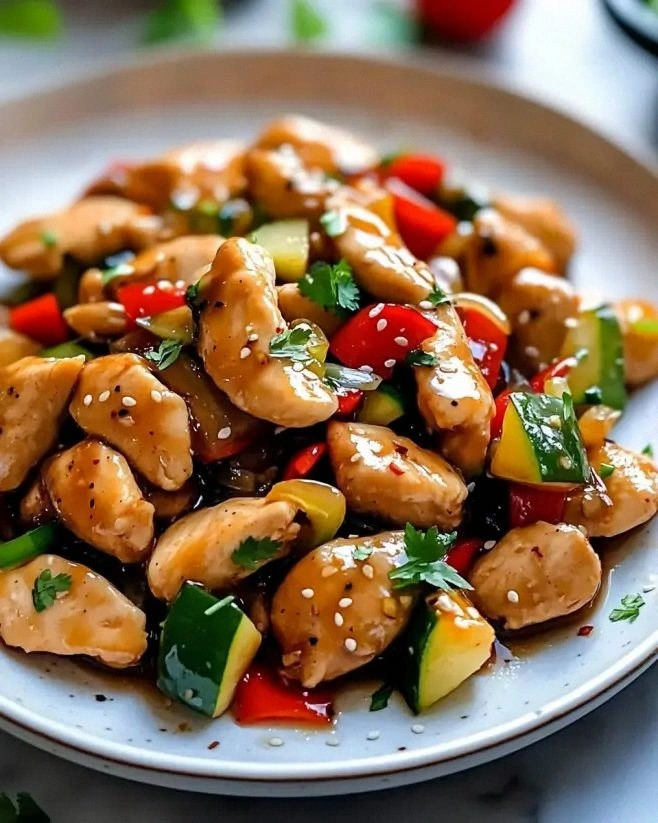
Plate the stir‑fry over the steaming rice or twirl it with noodles, then garnish with a sprinkle of toasted sesame seeds or a few sliced green onions if you like a fresh bite. The final presentation should look like a vibrant, glossy masterpiece that beckons you to dive in. That sizzle when it hits the pan? Absolute perfection. Serve immediately, and watch your guests’ eyes widen as they take that first, caramel‑sweet, umami‑rich bite.
That's it — you did it. But hold on, I've got a few more tricks that'll take this to another level...
Insider Tricks for Flawless Results
The Temperature Rule Nobody Follows
A wok that isn’t hot enough will steam your ingredients instead of searing them, resulting in soggy chicken and limp veggies. Aim for a surface temperature of around 400 °F before adding oil; you’ll know it’s ready when a drop of water evaporates instantly. If you’re using a stainless steel pan, pre‑heat it a minute longer and test with a tiny splash of oil—it should shimmer and move fluidly. This rule guarantees that the chicken develops those golden, caramelized edges that shatter like thin ice when you bite into them.
Why Your Nose Knows Best
Your sense of smell is a reliable gauge for when the garlic is perfectly golden and when the sauce is about to caramelize. As soon as the garlic releases a sweet, nutty aroma, it’s time to add the veggies; linger too long and it turns bitter. Similarly, when the sauce starts to emit a faint toasty scent, that’s the cue that the cornstarch slurry will thicken it just right. Trusting your nose saves you from overcooking and ensures each component hits its peak flavor. I once over‑relied on a timer and ended up with burnt garlic—never again.
The 5‑Minute Rest That Changes Everything
After you finish cooking, let the stir‑fry sit off the heat for about five minutes. This brief rest allows the glaze to re‑absorb into the chicken and vegetables, creating a richer mouthfeel. It also lets the sesame oil’s aroma fully develop, turning a good dish into a great one. During this time, you can give the rice a quick fluff with a fork, ensuring each grain stays separate. The result? A harmonious blend where every bite feels balanced and luxurious.
The One‑Minute Sauce Upgrade
If you crave an extra depth of flavor, stir in a teaspoon of fish sauce or a splash of rice vinegar right before serving. The fish sauce adds an umami punch that’s invisible but powerful, while the vinegar brightens the sweetness, preventing the dish from feeling cloying. This tiny adjustment can transform the flavor profile from “good” to “wow, I need this every week.” It’s a secret I learned from a chef in Bangkok who swore by the combination. Try it and see how the sauce sings.
The Veggie‑First Strategy
Cooking the vegetables before the chicken (or at least giving them a head start) preserves their crunch and vivid color. Start with broccoli, then add snap peas and bell pepper in quick succession, keeping the heat high and the motion constant. This method ensures each veggie retains its natural snap, which contrasts beautifully with the tender chicken. A friend once tried cooking everything together and ended up with limp, soggy veggies—let’s just say the feedback was less than stellar. Follow this strategy, and you’ll have a plate that looks as lively as it tastes.
Creative Twists and Variations
This recipe is a playground. Here are some of my favorite ways to switch things up:
Spicy Sriracha Kick
Add a tablespoon of sriracha to the honey‑soy glaze for a fiery undertone that balances the sweetness. The heat pairs wonderfully with the cool crunch of snap peas, making each bite a dynamic experience. Great for those who love a little burn without overwhelming the palate.
Coconut Curry Fusion
Swap half of the soy sauce for coconut milk and stir in a teaspoon of curry powder. The result is a creamy, aromatic twist that feels like a tropical vacation on a plate. Serve over jasmine rice to enhance the coconut notes.
Crunchy Peanut Crunch
Toast a handful of peanuts and sprinkle them over the finished dish for added texture and a nutty richness. The peanuts echo the sesame oil’s flavor while introducing a satisfying crunch that elevates the overall mouthfeel.
Low‑Carb Zucchini Noodles
Replace rice or traditional noodles with spiralized zucchini for a lighter, low‑carb version. The zucchini noodles absorb the glaze beautifully, and the dish stays fresh and vibrant.
Mushroom Medley
Add a cup of sliced shiitake or cremini mushrooms alongside the veggies. The earthy mushrooms deepen the umami profile, making the dish even more satisfying for mushroom lovers.
Storing and Bringing It Back to Life
Fridge Storage
Allow the stir‑fry to cool to room temperature, then transfer it to an airtight container. It will keep nicely for up to three days in the refrigerator. When reheating, add a splash of water or broth to revive the glaze; the moisture prevents the sauce from drying out.
Freezer Friendly
Portion the cooked chicken and vegetables into freezer‑safe bags, leaving a little headspace for expansion. Freeze for up to two months. To reheat, thaw overnight in the fridge, then stir‑fry over medium heat with a tablespoon of oil, adding a dash of water to restore the sauce’s sheen.
Best Reheating Method
The optimal way to bring this dish back to life is a quick stir‑fry in a hot pan. Add a teaspoon of oil, toss the leftovers, and drizzle a tiny splash of water or broth; this creates steam that revives the vegetables’ crunch and the sauce’s gloss. Avoid microwaving, as it can make the veggies soggy and the sauce rubbery.