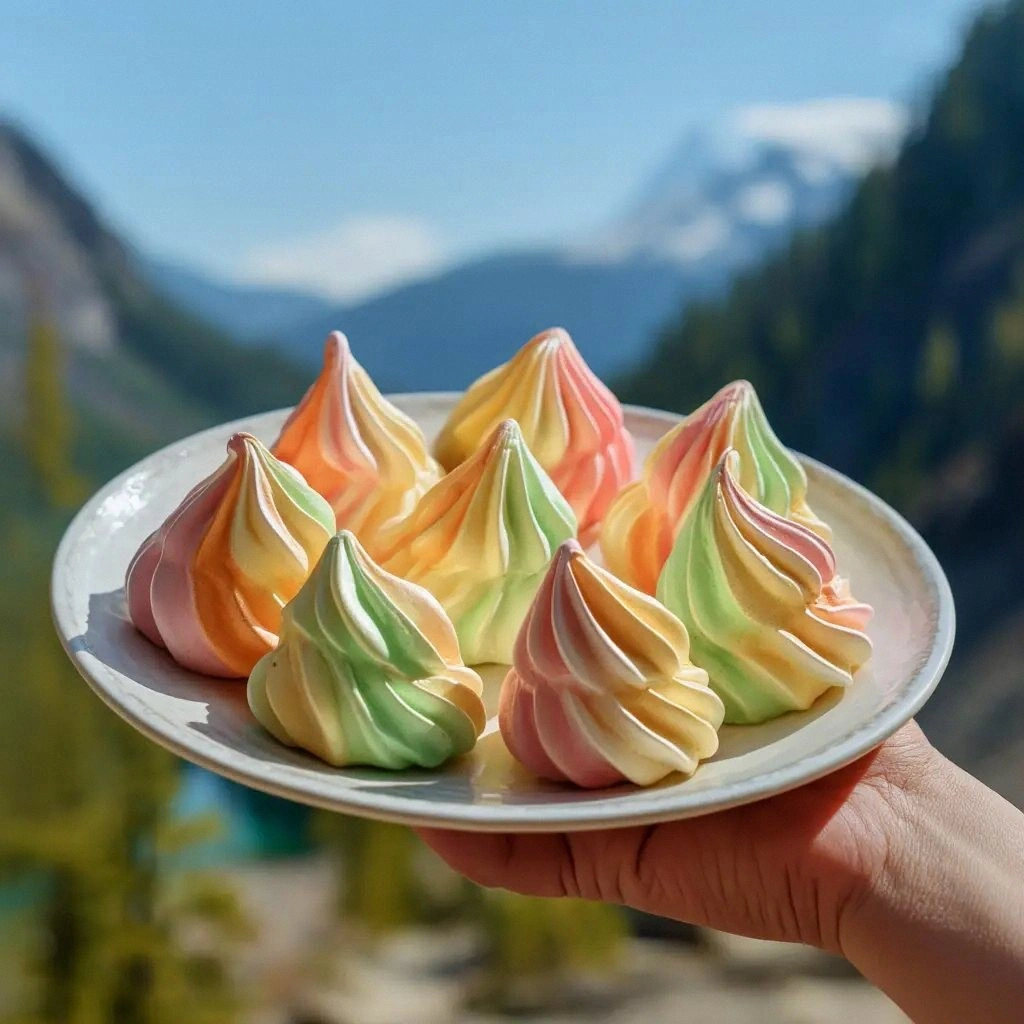
Picture this: I’m in the middle of a midnight snack run, craving something sweet and crunchy, when the pantry lights flicker and the sugar jar slips from my hand. The sugar splashes across the counter like confetti, and I stare at the mess, thinking, “What could I possibly whip up with this chaos?” That moment sparked an idea that would soon turn my kitchen into a laboratory of flavor and texture.
I reached for the only thing that seemed to promise a rescue: a box of Jello powder. The bright pink swirl of the powder caught my eye, and I wondered how to elevate it into a dessert that could stand alone on a platter. I imagined a cookie that would crack with a satisfying snap, releasing a burst of fruity sweetness that would dance on the tongue like confetti on a parade. The vision was clear—meringue cookies infused with the unmistakable zing of gelatinized sugar.
The first bite of this creation feels like a paradox: airy, almost cloud‑like, yet firm enough to hold a glossy coating of Jello that shatters into tiny pearls when you bite. The texture is a marriage of crisp edges and a chewy core, while the flavor is a layered explosion—sweetness, tartness, and a faint hint of floral notes from the gelatin. It’s a bite that feels like a celebration, and the best part is that it can be made with only four simple ingredients.
Most recipes get this completely wrong, either by overbaking the meringue or under‑mixing the gelatin, which results in cookies that are either soggy or too brittle. I’ve spent hours experimenting with the exact ratio of sugar to egg whites, the timing of when to fold in the Jello, and the oven temperature that gives the perfect golden crust. The result? A cookie that holds its shape, cracks with a satisfying snap, and bursts with flavor.
I dare you to taste this and not go back for seconds. This is hands down the best version you'll ever make at home. If you've ever struggled with making meringue cookies that don't collapse, you're not alone—and I've got the fix. Let me walk you through every single step—by the end, you'll wonder how you ever made it any other way.
What Makes This Version Stand Out
- Taste: The Jello powder infuses a vibrant, fruity punch that elevates the classic meringue flavor into a carnival of sweetness.
- Texture: A crisp exterior gives way to a slightly chewy interior, creating a satisfying contrast that keeps you coming back for more.
- Simplicity: With only four ingredients, this recipe is a breeze for both novices and seasoned bakers alike.
- Uniqueness: The gelatinized coating gives the cookies a glossy sheen and a fun snap that sets them apart from ordinary meringues.
- Crowd Reaction: At gatherings, these cookies become the star of the dessert table, prompting questions and compliments from every guest.
- Ingredient Quality: Using fresh, high‑quality egg whites and real Jello powder ensures the best flavor and texture.
- Cooking Method: The technique of folding the Jello into the meringue at the right moment locks in the flavor and creates a stable structure.
- Make‑Ahead Potential: These cookies keep their crispness for up to a week when stored properly, making them ideal for parties.
Alright, let's break down exactly what goes into this masterpiece...
Inside the Ingredient List
The Flavor Base
The Jello powder is the star of the show, providing both the vibrant color and the unmistakable fruity flavor that coats the cookie like a glossy glaze. It also contributes to the structure, as the gelatin in the powder sets as the cookie cools, giving the coating its crisp snap. If you skip it, the cookies become plain meringues—delicious, but lacking that playful burst of flavor. Swapping in a different flavored Jello can alter the profile; for example, lemon gives a zesty lift, while cherry adds a deep, sweet undertone. When shopping, choose a brand with minimal added colors or opt for organic varieties for a cleaner taste.
The Texture Crew
Egg whites are the backbone of this recipe, creating the airy, cloud‑like structure that holds the cookie together. Whisking them to stiff peaks ensures maximum volume and stability. The sugar not only sweetens but also helps stabilize the foam by binding water molecules, preventing the meringue from collapsing. If you use a lower amount of sugar, the cookies may become too soft or fail to set properly. A good tip: use granulated sugar instead of powdered; it dissolves more evenly and gives a cleaner texture.
The Unexpected Star
Cream of tartar is a tiny but mighty ingredient that acts as a stabilizer, keeping the egg whites from separating and helping them hold their shape during baking. Without it, the meringue could become too liquid and spread on the pan. If you don't have cream of tartar, a pinch of baking powder can serve as a substitute, though it may alter the flavor slightly. The amount is small—just a quarter teaspoon—so it won't overpower the sweetness.
The Final Flourish
The final flourish is the subtle interplay between the dry and wet components. The dry Jello powder needs to be evenly distributed to avoid clumping, which could lead to uneven texture. When folding, be gentle to preserve the air pockets. This step is critical; over‑mixing will collapse the meringue and produce dense cookies. A small amount of warm water can help dissolve the Jello more smoothly if you find clumps.
Everything's prepped? Good. Let's get into the real action...
The Method — Step by Step
- Begin by placing the egg whites in a clean, dry mixing bowl. The bowl must be free of any grease or moisture; even a speck of oil can prevent the whites from whipping properly. Add a pinch of salt to the whites to help stabilize the foam. Whisk on medium speed until soft peaks form, then gradually increase to high speed, watching for the peaks to become stiff and glossy.
- Slowly add the granulated sugar, one tablespoon at a time, while continuing to whisk. Each addition should be fully incorporated before adding the next. This gradual process ensures the sugar dissolves evenly, preventing graininess. Keep whisking until the mixture is thick, glossy, and holds stiff peaks that don’t droop when the beaters are lifted.
- Sift the Jello powder over the meringue to avoid clumps. Gently fold the powder in with a spatula, using a light, sweeping motion. The goal is to incorporate the powder without deflating the foam. Once fully blended, the mixture should look light and airy, with the powder evenly distributed.
- Preheat your oven to 320°F (160°C). Line a baking sheet with parchment paper or a silicone mat to prevent sticking. The lower temperature allows the cookies to bake evenly, ensuring a crisp exterior without burning.
- Using a small cookie scoop or a spoon, drop tablespoon‑sized dollops of the mixture onto the prepared sheet. Space them about 2 inches apart; the cookies will spread slightly as they bake. This spacing prevents them from merging and keeps each cookie distinct.
- Bake for 18–20 minutes, or until the edges are golden brown and the tops have a faint sheen. The cookies should feel firm to the touch and not soft in the middle. The aroma that fills the kitchen at this point is a sweet, almost citrusy scent that will have you anticipating the first bite.
- Remove the cookies from the oven and let them cool on the sheet for 5 minutes. This step allows the gelatinized coating to set fully. The cookies will still feel a little soft at this point, but the texture will firm up as they cool.
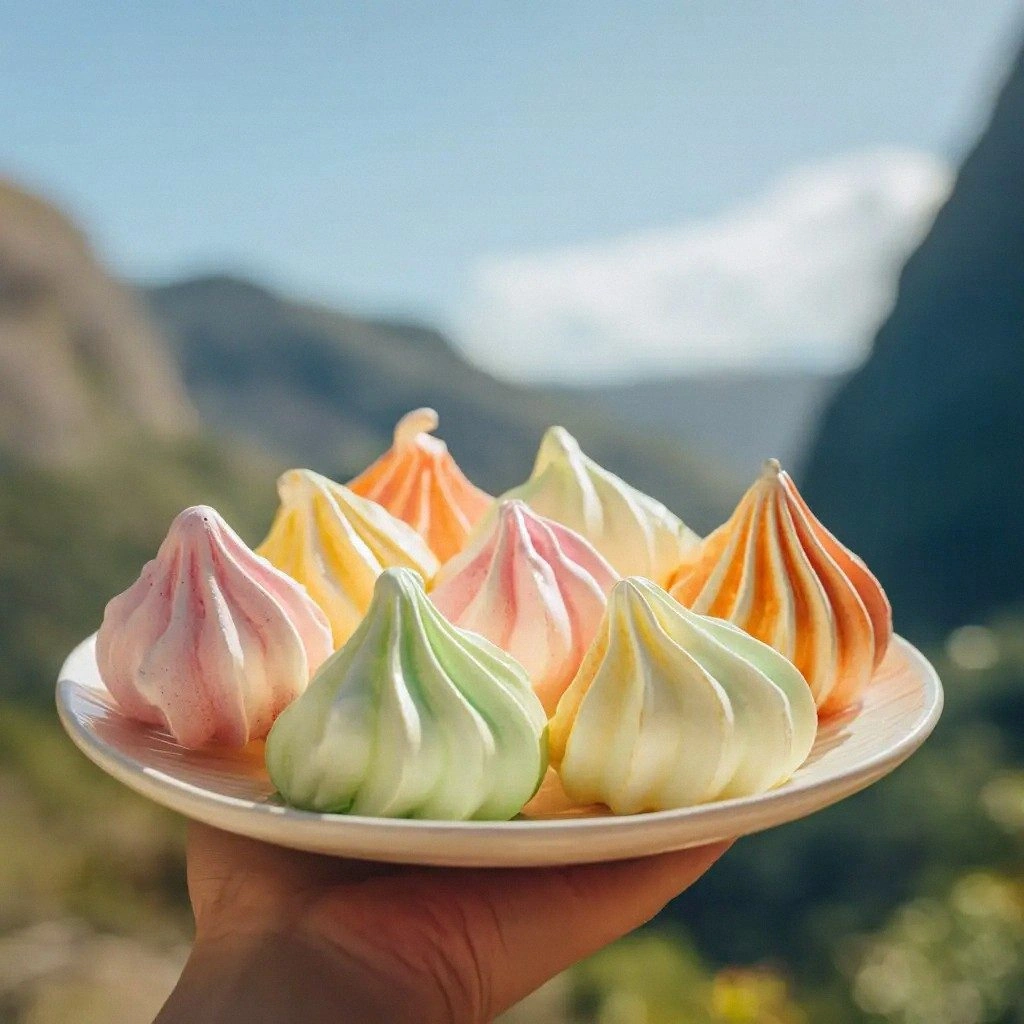
- Transfer the cookies to a wire rack to cool completely. This prevents moisture from building up under the cookies, which could soften the crisp edges. Once cooled, you’ll see a glossy sheen that glistens like tiny jewels.
- If you want to add a decorative touch, lightly dust the cookies with powdered sugar or a dusting of cocoa powder. This not only adds visual appeal but also introduces a subtle contrast in flavor.
- Taste one now, and let the flavors explode. The snap of the cookie, the burst of fruity sweetness, and the delicate texture should leave you craving more. I dare you to taste this and not go back for seconds.
That's it — you did it. But hold on, I've got a few more tricks that'll take this to another level...
Insider Tricks for Flawless Results
The Temperature Rule Nobody Follows
Many bakers bake meringue cookies at 350°F, but this higher temperature can cause the outside to burn before the inside sets. Baking at 320°F allows the cookies to develop a golden crust while the interior remains perfectly airy. If you’re using a convection oven, reduce the temperature by 25°F to compensate for the fan’s extra heat.
Why Your Nose Knows Best
Your olfactory senses are the most reliable indicator of doneness. When the cookies bake, a sweet, almost citrusy aroma will permeate the air. If the scent feels slightly burnt or overly sweet, pull them out immediately to avoid over‑baking. Trust your nose, and you’ll never overcook them again.
The 5-Minute Rest That Changes Everything
Letting the cookies rest on the sheet for 5 minutes before transferring to the rack is crucial. This brief pause allows the gelatinized coating to set, preventing the cookies from breaking or becoming too soft. Skipping this step often leads to a softer, less crisp texture that can disappoint.
The Sweet Spot for Folding
When folding the Jello into the meringue, aim for a light, circular motion. Over‑folding can deflate the foam, resulting in dense cookies that lack the desired airy quality. If you’re new to folding, practice with a small batch to get a feel for the right amount of force.
The Right Pan for the Job
A silicone mat or parchment paper is essential to prevent sticking. A metal baking sheet can cause uneven heat distribution, leading to burnt spots. If you prefer a more rustic look, lightly grease the parchment, but avoid excess oil, which can interfere with the crispness.
Creative Twists and Variations
This recipe is a playground. Here are some of my favorite ways to switch things up:
Minty Fresh
Swap the original Jello flavor for a mint variety. The cool, refreshing taste pairs wonderfully with the sweet meringue. Add a few drops of peppermint extract for an extra kick. Guests will love the vibrant green color and the minty finish.
Chocolate‑Covered Delight
After the cookies have cooled, dip half of them in melted dark chocolate. The chocolate coats the crisp exterior, creating a decadent contrast. Let the chocolate set on a parchment sheet before serving. This version is perfect for chocolate lovers and adds a luxurious touch.
Citrus Burst
Use a citrus‑flavored Jello, such as orange or lemon, for a bright, tangy twist. The citrus zest adds a fragrant aroma that enhances the overall experience. Consider sprinkling a tiny pinch of sea salt on top to highlight the citrus notes.
Nutty Crunch
Fold in a tablespoon of finely chopped toasted almonds or pistachios before baking. The nuts add a pleasant crunch and a nutty flavor that complements the sweet coating. This variation is great for guests who enjoy a bit of texture.
Berry Explosion
Replace the Jello with a berry‑flavored powder, such as raspberry or blueberry. The result is a deep, fruity cookie that looks almost like a dessert in itself. The natural berry flavor pairs beautifully with the airy meringue.
Gluten‑Free Version
Use a gluten‑free gelatin powder and ensure your Jello is gluten‑free. The texture remains the same, but you can confidently serve it to guests with dietary restrictions. This variation proves that you don't need gluten to enjoy a perfect cookie.
Storing and Bringing It Back to Life
Fridge Storage
Place the cooled cookies in an airtight container and store them in the refrigerator for up to 4 days. The cold environment keeps the gelatinized coating firm, preserving the crisp edges. When ready to serve, let them sit at room temperature for 10 minutes to restore a subtle softness.
Freezer Friendly
For longer storage, place the cookies on a parchment‑lined tray and freeze until solid. Transfer them to a freezer bag once frozen to prevent freezer burn. They can stay in the freezer for up to 3 months. Thaw at room temperature for 20 minutes before serving.
Best Reheating Method
If the cookies become slightly stale, reheat them in a 250°F oven for 5 minutes. The low temperature warms them without melting the coating. Adding a splash of water before reheating creates steam, which restores the cookies’ crispness and gives them a fresh, airy feel.