I was standing in my kitchen, staring down at a half‑baked carrot cake that had collapsed like a sad pancake, when my roommate dared me to “make the best carrot cake ever or forever live with that flop.” I accepted, because honestly, who can say no to a dare that involves sugar and carrots? The oven was humming, the carrots were being grated with the vigor of a rock‑star shredding a guitar solo, and the air was already thick with a sweet, earthy perfume that promised redemption. By the time the batter hit the bowl, I could already taste the buttery crumb and the warm spice that would soon dance across my tongue, and I knew this was going to be something special. Most carrot cake recipes either drown you in sugar or leave you with a dry, crumbly mess; this one strikes the perfect balance, thanks to a secret ingredient that most bakers overlook.
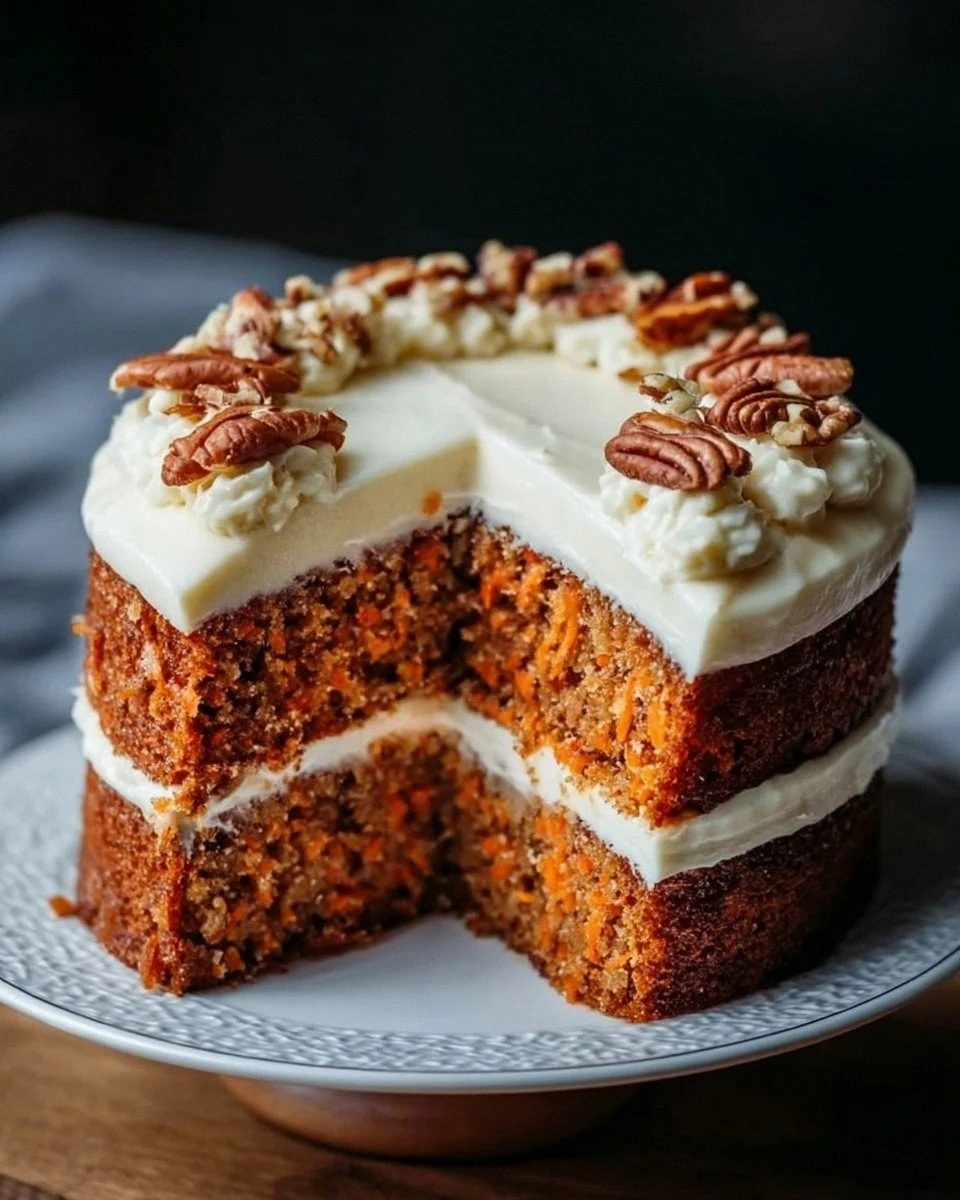
Picture this: you pull the cake out of the oven and the whole kitchen smells like a cozy autumn market, even if it’s the middle of July. The top is a golden‑brown crown that cracks just enough to reveal a moist interior, and the frosting—rich, tangy cream cheese—spreads like a silky blanket over the warm layers. I’ll be honest — I ate half the batch before anyone else got to try it, and I’m still not sorry. This version stands out because it uses crushed pineapple for a hidden burst of humidity, and the walnuts add a crunch that’s as satisfying as a good punchline in a comedy set.
If you’ve ever struggled with a carrot cake that turned out flat, gummy, or just plain bland, you’re not alone. I’ve spent countless evenings tweaking ratios, battling over whether to toast the nuts or not, and even arguing with my own taste buds about how much cinnamon is too much. The result? A recipe that’s so dependable it could be your go‑to for birthdays, potlucks, or that moment you need to impress a date with something that says “I care, but I’m also fun.” I dare you to taste this and not go back for seconds; the combination of spice, sweetness, and texture is practically addictive.
Let me walk you through every single step — by the end, you’ll wonder how you ever made it any other way. Okay, ready for the game‑changer? The next part? Pure magic. We’ll start with the why, then dive into the how, and finish with a handful of tricks that will make your carrot cake the talk of the town. Stay with me here — this is worth it.
What Makes This Version Stand Out
- Flavor Depth: The blend of cinnamon, nutmeg, and a whisper of pineapple creates a layered taste that evolves with each bite, like a well‑written novel.
- Moisture Mastery: The oil‑and‑pineapple combo keeps the crumb tender for days, so you won’t be left with a dry, crumbly disappointment.
- Texture Contrast: Grated carrots give a subtle chew, while toasted walnuts add a satisfying crunch that pops like fireworks.
- Simplicity: Only pantry staples and a few optional extras are needed; no fancy equipment or obscure spices required.
- Crowd‑Pleaser: Even the pickiest eaters rave, because the sweetness is balanced and the spice isn’t overpowering.
- Ingredient Quality: Freshly grated carrots and high‑quality oil make a noticeable difference in flavor and crumb.
- Cooking Method: Baking at a moderate temperature ensures even rise and a golden crust without burning the edges.
- Make‑Ahead Potential: This cake freezes beautifully, and the frosting can be prepared ahead for a stress‑free finish.
Inside the Ingredient List
The Flavor Base
Granulated sugar does more than sweeten; it helps create a tender crumb by breaking down the gluten in the flour. If you swap it for brown sugar, you’ll add a caramel note but also extra moisture, which can make the cake denser. I recommend using a fine‑grained white sugar for that clean, bright sweetness that lets the spices shine. A pinch of extra‑fine sea salt is essential—it amplifies the flavors like a spotlight on a stage.
The Texture Crew
All‑purpose flour provides the structure, while the oil adds richness without the heaviness of butter. If you’re looking for a healthier twist, swap half the oil for unsweetened applesauce; the cake will stay moist but with fewer calories. The eggs act as binders and leaveners, creating that airy lift we all crave. For a richer yolk flavor, use pasture‑raised eggs—they’re worth the extra few cents.
The Unexpected Star
Crushed pineapple is the secret weapon that keeps this cake moist for days. Its natural acidity also brightens the overall flavor profile, preventing the cake from feeling cloyingly sweet. If you’re not a fan of pineapple, try a quarter cup of orange juice or a splash of vanilla extract; you’ll still get that extra moisture without the tropical twist. The walnuts, toasted just until fragrant, add a nutty crunch that contrasts beautifully with the soft carrots.
The Final Flourish
Ground cinnamon and nutmeg are the aromatic backbone of any classic carrot cake. Cinnamon adds warmth, while nutmeg offers a subtle, almost peppery edge that deepens the flavor. Use freshly ground spices whenever possible; pre‑ground spices lose potency after a few months. For an extra layer of complexity, add a pinch of ground ginger or allspice, but keep it subtle so you don’t overpower the carrots.
Everything's prepped? Good. Let's get into the real action…
The Method — Step by Step
Preheat your oven to 350°F (175°C) and grease a 9‑inch round cake pan with a thin layer of oil, then line the bottom with parchment. The heat should be steady; any fluctuation will affect the rise, so let the oven fully preheat before you slide the pan in. While the oven warms, take a moment to inhale the scent of the oil heating—this is the first whisper of the flavor journey.
In a large mixing bowl, whisk together the flour, baking powder, baking soda, cinnamon, nutmeg, and salt. This dry blend ensures even distribution of leaveners and spices, preventing pockets of bitter cinnamon. When you stir, imagine you’re creating a sandstorm of flavor that will later be tamed by the wet ingredients.
In a separate bowl, combine the sugar and oil, then beat in the eggs one at a time. The mixture should become glossy and slightly thick, like a luxurious caramel sauce. This is where the cake gets its tender crumb; the oil coats the flour particles, and the eggs introduce air bubbles that will expand in the oven.
Fold the wet mixture into the dry ingredients until just combined—over‑mixing will develop gluten and give you a tough cake. At this point, the batter should be thick but pourable, with a faint aroma of cinnamon rising. Watch Out: If you see streaks of flour, keep folding gently; the batter will smooth out as you go.
Stir in the grated carrots, pineapple, walnuts, and raisins. The carrots should be evenly distributed, giving the batter a speckled, rainbow‑like appearance. The nuts add crunch, the raisins add bursts of sweetness, and the pineapple adds that hidden moisture that keeps the cake from drying out.
Pour the batter into the prepared pan, spreading it with a spatula to the edges. Tap the pan lightly on the counter to release any large air pockets; you’ll hear a soft thud that signals a smooth surface.
Slide the pan into the oven and bake for 30‑35 minutes, or until a toothpick inserted into the center comes out clean or with just a few moist crumbs. The top should be a deep golden brown, and you’ll notice the edges pulling away slightly from the pan—this is the cue that the cake is done.
Allow the cake to cool in the pan for 10 minutes, then turn it out onto a wire rack to cool completely. While it cools, whip up the cream cheese frosting—softened cream cheese, butter, powdered sugar, and a splash of vanilla. Spread the frosting generously once the cake is room temperature; the frosting should melt slightly into the warm crumb, creating a luscious glaze.
That's it — you did it. But hold on, I've got a few more tricks that'll take this to another level. The next sections will show you how to fine‑tune every bite, so you can serve a carrot cake that feels like a hug in dessert form.
Insider Tricks for Flawless Results
The Temperature Rule Nobody Follows
Never bake a carrot cake straight from the fridge; let the batter sit at room temperature for at least 15 minutes before it hits the oven. This small pause allows the leavening agents to activate uniformly, giving you a higher, more even rise. I once tried to rush the process and ended up with a dense, flat cake that looked like a pancake gone wrong. Trust the rule, and your cake will puff up like a sunrise.
Why Your Nose Knows Best
When the cake is about 20 minutes in, you’ll start to smell a sweet, spicy perfume. That scent is your cue that the interior is cooking through. If the aroma turns sharp or burnt, the cake is overcooking and you should check it immediately. Trust your nose more than the clock; it’s the most reliable sensor in the kitchen.
The 5‑Minute Rest That Changes Everything
After removing the cake from the oven, let it rest in the pan for exactly five minutes before turning it out. This short rest lets the steam settle, preventing the cake from collapsing. I once skipped this step and the cake sagged dramatically, turning my masterpiece into a sad pancake. Those five minutes are worth the extra patience.
Frosting Fusion
For a frosting that’s both tangy and sweet, beat the cream cheese and butter together until light and fluffy, then gradually add powdered sugar. Adding a tablespoon of lemon zest at the end brightens the flavor and cuts through the richness. If you prefer a smoother finish, sift the powdered sugar twice before adding it; this eliminates any gritty texture.
The Walnut Toast Trick
Toast the walnuts in a dry skillet over medium heat for 3‑4 minutes, stirring constantly until they turn golden and fragrant. This step amplifies their nutty flavor and adds a subtle crunch that contrasts the soft crumb. Skip the toast and you’ll get a milder, less interesting nut component. It’s a tiny extra step that makes a massive difference.
Creative Twists and Variations
This recipe is a playground. Here are some of my favorite ways to switch things up:
Maple‑Glazed Carrot Cake
Replace half the granulated sugar with pure maple syrup and add a tablespoon of maple‑flavored extract. The result is a caramel‑kissed cake that feels autumnal year‑round. Pair it with toasted pecans for extra crunch.
Chocolate Swirl Delight
Melt ½ cup of dark chocolate and swirl it into the batter just before baking. The chocolate ribbons create a visual contrast and a surprise burst of richness that chocolate lovers adore.
Coconut‑Pineapple Fusion
Add ½ cup shredded unsweetened coconut to the batter and swap the pineapple for crushed pineapple in coconut juice. This tropical twist transports you to a beachside café with every bite.
Spiced Orange Carrot Cake
Add the zest of one orange and a splash of orange juice to the wet mixture, then increase the cinnamon to 1½ teaspoons. The citrus brightens the spice profile, making it perfect for spring brunches.
Vegan Velvet
Swap the eggs for a flax‑egg (1 tbsp ground flaxseed + 3 tbsp water per egg) and replace the oil with coconut oil. Use a plant‑based cream cheese alternative for the frosting. The texture remains moist, and the flavor stays true to the classic.
Storing and Bringing It Back to Life
Fridge Storage
Wrap the cooled cake tightly in plastic wrap, then store it in an airtight container in the refrigerator. It will stay fresh for up to five days, and the flavors will meld, becoming even more harmonious.
Freezer Friendly
Slice the cake, wrap each piece in parchment, then place them in a freezer‑safe bag. Freeze for up to three months. When you’re ready to enjoy, let a slice thaw at room temperature and add a dab of fresh frosting.
Best Reheating Method
Preheat your oven to 300°F (150°C), place a slice on a baking sheet, and add a tiny splash of water (about a teaspoon) to the edge of the slice. Cover loosely with foil and heat for 8‑10 minutes. The steam revives the moisture, and the slice emerges as soft as the day it was baked.