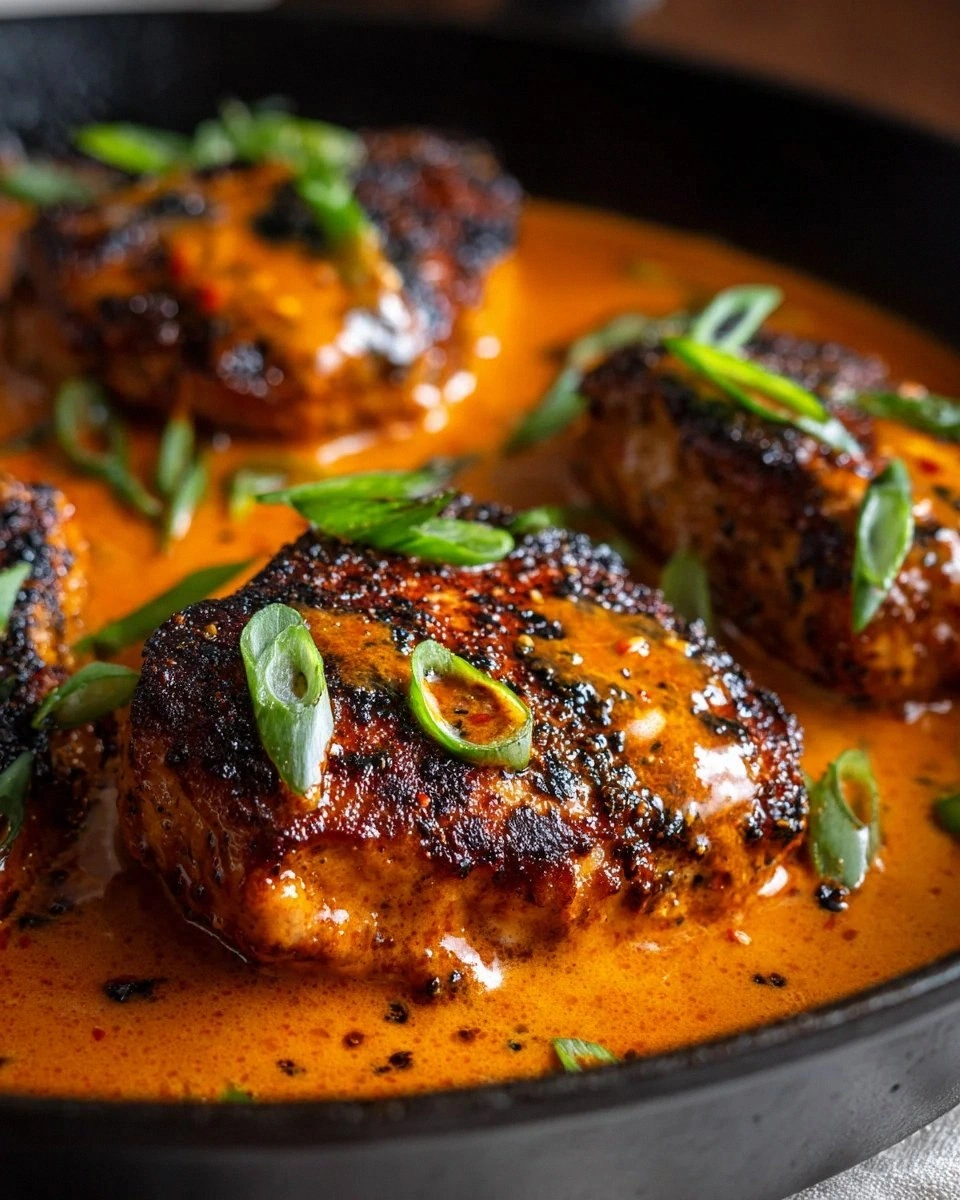
I still remember the Tuesday night I nearly set my kitchen on fire trying to impress a date with some random "spicy-sweet chicken" I found on the internet. The smoke alarm sang, the sauce tasted like burnt candy, and my date politely asked if I had any crackers instead. Fast-forward through three weeks of obsessive tinkering, a cupboard full of rejected hot sauces, and one very patient neighbor who became my nightly taste-tester, and I finally cracked the code on what I now call Spicy Sweet Chicken Diablo. It's the dish that made my best friend do a dramatic slow-clap, the one my cousin begged me to bring to game night, and the recipe my roommate hid in the back of the fridge so no one else could steal leftovers.
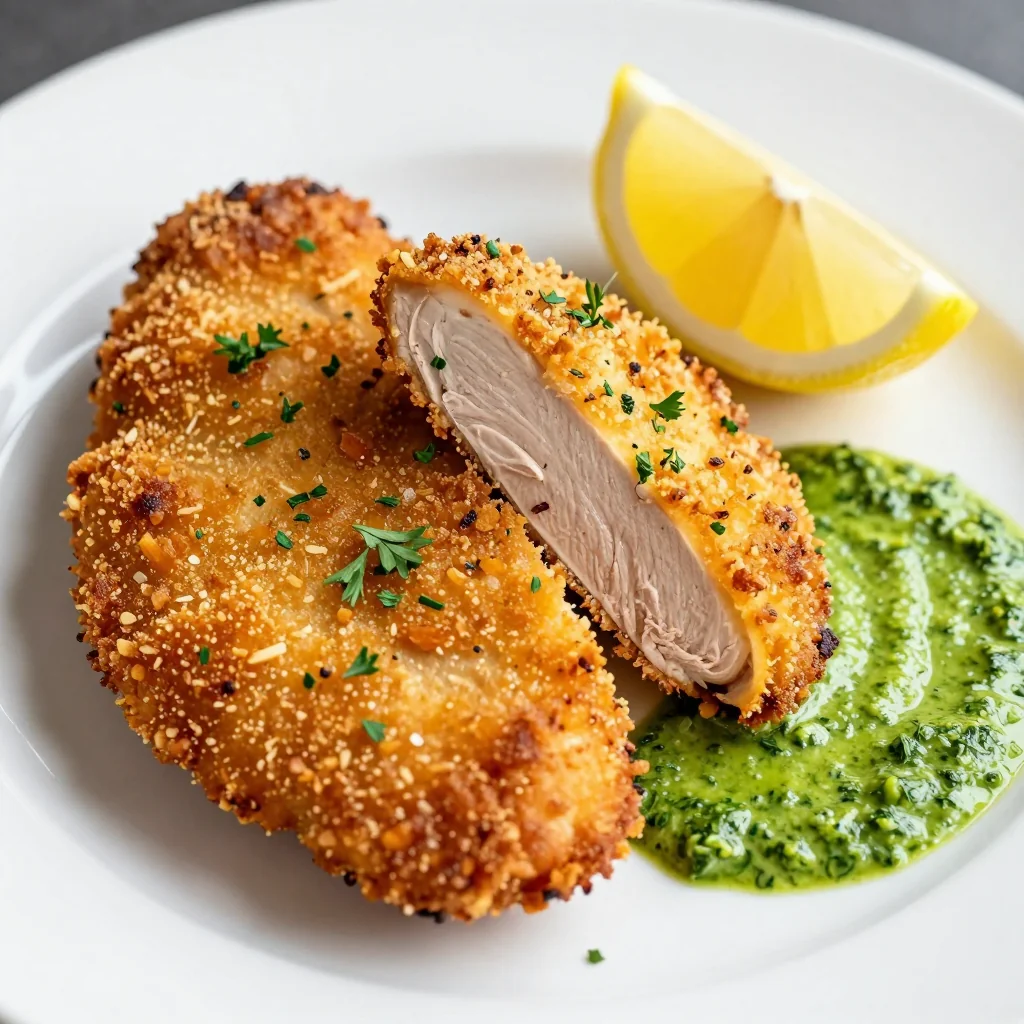
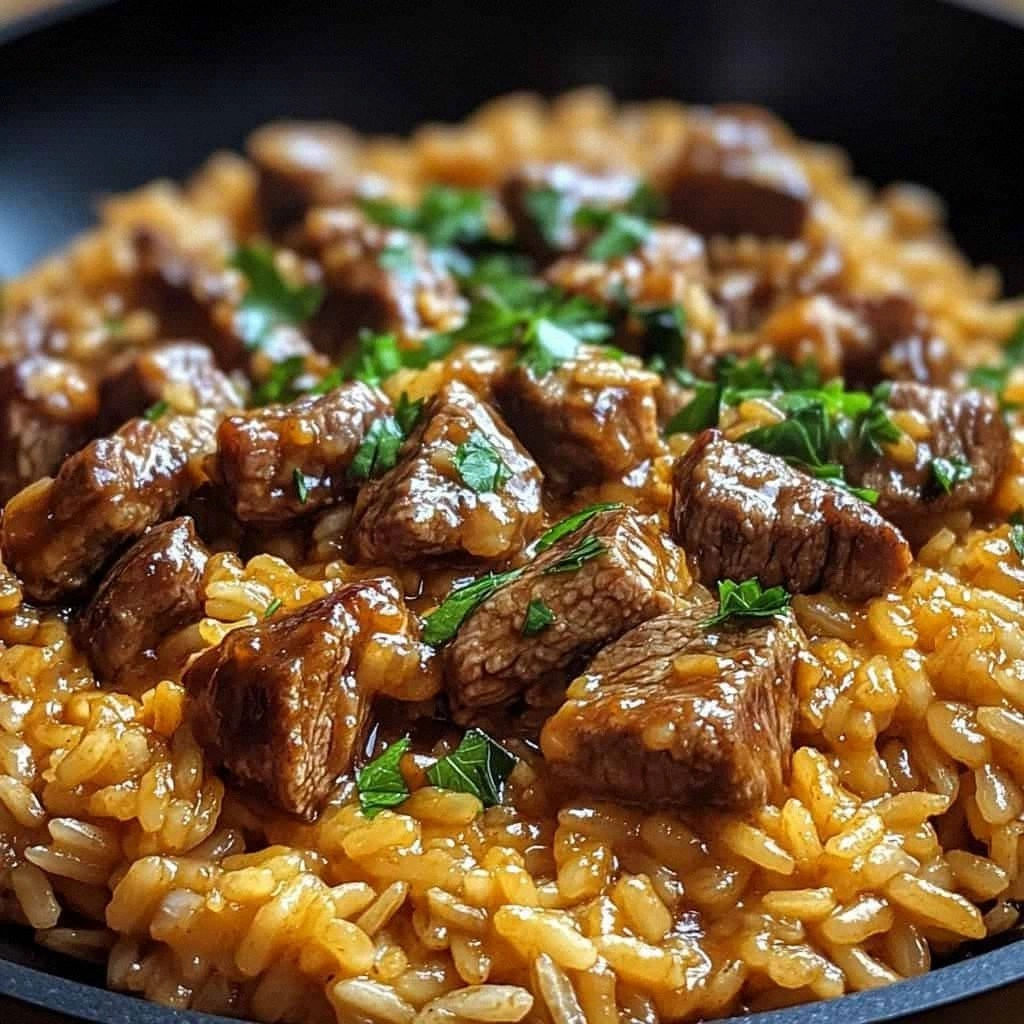
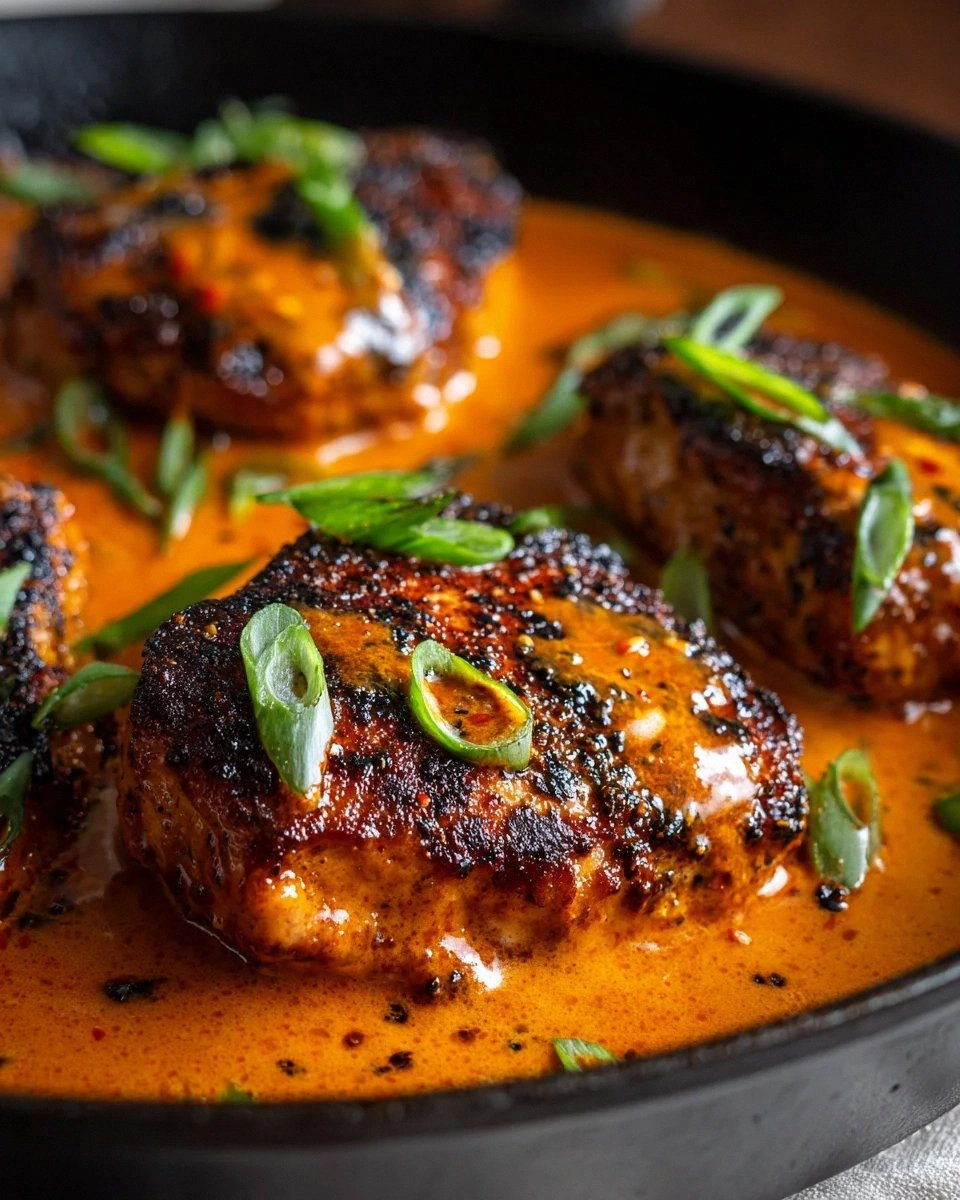
Picture this: glossy chunks of chicken that look like they've been lacquered in liquid sunset, the kind of glow that makes everyone at the table pause mid-conversation and reach for their phones. The aroma hits first—ginger and garlic sprinting up your nose, chased by a teasing whisper of chili heat that promises not to wreck your taste buds. Take a bite and the surface shatters into the thinnest possible crust, revealing meat so juicy it practically sighs. Then the flavor wave: brown sugar sweetness that lands like a friendly high-five, followed by sriracha's slow burn that builds like a catchy chorus you can't get out of your head. It is, in short, the edible equivalent of your favorite playlist—familiar enough to love, surprising enough to hit repeat.
Most recipes mess this up by dumping in a truckload of sugar and calling it balance, or they chicken-out (pun fully intended) on the heat and serve a glorified stir-fry that tastes like takeout from a sad strip-mall buffet. What makes this version different is the layering: we bloom the aromatics in sesame oil until your kitchen smells like a Seoul street market, we reduce the sauce until it coats a spoon like velvet curtain, and we add one sneaky tablespoon of apple-cider vinegar that makes the whole dish snap to attention. The result is a sauce that clings to every ridge of meat instead of puddling sadly underneath like a disappointed puppy.
Okay, ready for the game-changer? We're going to toss the raw chicken with a whisper of cornstarch before it ever sees the pan. That barely-there dusting morphs into a micro-shell that holds in juices and grabs onto sauce like Velcro. It's the difference between restaurant-glossy and home-cooking-ho-hum. Stay with me here—this is worth it. Let me walk you through every single step—by the end, you'll wonder how you ever made it any other way.
What Makes This Version Stand Out
- Flavor Pendulum: We swing from brown-sugar sweet to sriracha fire so smoothly you'll feel like you're on a culinary playground instead of a seesaw. Most recipes dump both in at once and hope for the best; we layer them so each note gets a solo before the harmony kicks in.
- Texture Tightrope: That cornstarch trick creates crusty edges that shatter like thin ice while the interior stays as tender as a lullaby. Skip it and you're chewing shoe leather wearing a sugar coat.
- One-Pan Bragging Rights: Everything happens in a single skillet, meaning fewer dishes and more Netflix. I've cooked this in a dorm kitchenette and at my aunt's cabin with a warped electric burner—works like a charm every time.
- Make-Ahead Magic: The sauce can be mixed three days early; the chicken can be chopped and marinated overnight. When you walk through the door hangry, dinner is ten minutes from pan to plate.
- Heat with Training Wheels: Sriracha gives you control. Two tablespoons land at "noticeable but polite"; bump it to three and you'll breathe fire like a dragon with a sinus infection. Either way, the sugar keeps the burn from hijacking your palate.
- Crowd Conversion Rate: I've served this to toddlers (mild version), chili-heads (extra-shot), and that one friend who claims everything is "too spicy." All of them went back for seconds and asked for the recipe before dessert.
Alright, let's break down exactly what goes into this masterpiece...
Inside the Ingredient List
The Flavor Base
Chicken breasts get a bad rap for being bland, but they're actually a blank canvas begging for a Technicolor paint job. Go for the plump, rosy ones that feel firm but spring back when poked—if they smell like anything other than nothing, keep walking. Slice them into one-inch chunks; too small and they'll dry out, too big and the sauce can't wrap its arms around them. Pro tip: pop the breast in the freezer for fifteen minutes before cutting—slightly frozen meat is way less squirmy under the knife.
Brown sugar is the velvet rope that lets sweetness into the club first. Light brown plays nice with the soy-ish notes of coconut aminos, while dark brown brings a deeper caramel swagger that can bully the other flavors. Either works; just promise you'll pack it into the measuring cup like you're building a sandcastle—air pockets rob you of the full sweet punch.
The Heat & Heart
Sriracha isn't just hot for the sake of hot; it's garlicky, slightly tangy, and has that bright red color that makes the chicken look like it has a Hollywood tan. I've tried gochujang, harissa, and random "diablo" sauces, but they bulldoze the balance. Stick with the rooster bottle; it plays well with brown sugar like they've been in a garage band since high school. Start with two tablespoons—you can always crank it up, but you can't dial it back without brewing a whole new batch of sauce.
Minced garlic and ginger are the dynamic duo that wake up the nose. Buy the plump garlic bulbs that still feel tight, not the sad sprouted ones that smell like old gym socks. For ginger, look for skin that shines like satin and snaps cleanly when you bend it—wrinkled ginger is woodier than a pirate ship and twice as tough to mince.
The Unsung Stabilizers
Coconut aminos swoop in as the soy-free, slightly sweeter understudy that still brings umami depth. If you're Team Soy, regular low-sodium soy sauce works, but cut the added salt elsewhere because soy punches harder on the salt scale. Apple-cider vinegar is the stealth MVP: one tablespoon and the whole sauce brightens like someone turned on fluorescent lights after candlelight. Skip it and the sweetness feels like it's wearing a lead coat.
Sesame oil is the aromatic finishing lane on the flavor highway. A tablespoon in the hot pan at the start perfumes the entire kitchen with nutty warmth that screams "something awesome is happening here." Reserve a few drops to drizzle at the end and you get a double feature of toasty aroma that floats up and taps everyone on the shoulder saying, "Hey, dinner's ready."
The Texture Crew
Cornstarch is the quiet kid in the back row who turns out to be prom royalty. A gentle tumble with the raw chicken creates a micro-coating that morphs into a glossy, crispy shell once it hits hot oil. Potato starch works if you're out, but all-purpose flour turns gummy and refuses to brown nicely—trust me, I learned that the hard way when I ran out of cornstarch at 9 p.m. and thought, "How different could it be?" Answer: different enough that my roommate asked why the chicken looked like it had a sunburn.
Green onions are the confetti on top—fresh, grassy, and they let you pretend there's something green and virtuous on the plate. Slice them on a sharp bias so they flutter down like little flags announcing the chicken parade. Save the darker tops for garnish; the white parts go into the sauce earlier so they mellow and sweeten.
Everything's prepped? Good. Let's get into the real action...
The Method — Step by Step
- Prep the Chicken: Pat the breast chunks dry with paper towels—moisture is the enemy of browning and will steam your meat into rubbery submission. In a bowl, toss the chicken with the cornstarch until each piece looks like it's been kissed by a light frost. Don't drown it; think evening mist, not snowstorm. Let it hang out while you heat the pan; the starch needs a minute to hydrate and glue itself to the surface.
- Fire Up the Skillet: Place a large stainless or cast-iron skillet over medium-high heat and drizzle in the sesame oil. You want the oil to shimmer like a mirage but not smoke—if it starts rippling aggressively, yank the pan off the heat for a sec. Swirl to coat; the surface should look like a glossy runway ready for chicken takeoff. Listen for the quiet sizzle when you flick in a droplet of water—too loud and you're in scorch territory.
- Sear for Success: Lay the chicken in a single layer, leaving breathing room between pieces. Crowding drops the temp and boils the meat instead of searing it—work in batches if you must. Let it sit undisturbed for two full minutes; I set a timer because I'm impatient and always flip too early. When the bottoms are golden with deeper caramel edges, flip and repeat. You're building flavor fond on the pan that'll later melt into the sauce like buried treasure.
- Aromatics Invasion: Push the chicken to the rim, lower heat to medium, and tumble in the minced garlic and ginger into the center. They should hiss politely, not shriek. Stir just until fragrant—about thirty seconds—then fold everything together so the chicken gets a spicy-aromatic jacket. Keep the garlic moving; it goes from blonde to bitter black faster than a moody teenager.
- Build the Sauce: Whisk brown sugar, coconut aminos, sriracha, and apple-cider vinegar in a small bowl until the sugar looks like wet sand at the beach. Pour this glossy lava into the skillet; it will bubble like a middle-school science fair volcano. Stir so every chunk of chicken gets an even tan. The sauce will seem thin at first—don't panic. Trust the process.
- The Great Reduction: Crank the heat back to medium-high and let the sauce boil for about four minutes, stirring occasionally. You're waiting for it to thicken enough to coat the back of a spoon and hold a sultry line when you swipe your spatula. If you tilt the pan, the sauce should ooze like slow lava, not sprint like water. Don't walk away here; sugar loves to stick and burn like a grudge.
- Finish & Gloss: Once the sauce is syrupy, kill the heat and scatter in the white parts of the green onions plus a final drizzle of sesame oil. Stir; the residual heat will soften the onions just enough to lose their raw bite while staying perky. The chicken should glisten like it just stepped out of a glossy magazine shoot. Taste a piece—if you want more heat, now's the moment to dot in extra sriracha and toss.
- Plate Like a Pro: Heap the chicken over steamed rice, cauliflower rice, or sesame noodles—anything that'll soak up the extra sauce and act as an edible sponge. Shower the top with the reserved green-onion tops so they flutter down like confetti on New Year's. Serve immediately; this dish waits for no one, and the sauce continues to tighten as it cools.
That's it—you did it. But hold on, I've got a few more tricks that'll take this to another level...
Insider Tricks for Flawless Results
The Temperature Rule Nobody Follows
Your fridge-cold chicken will crash the pan's heat, leading to sad, gray meat. Let the diced breast sit on the counter for fifteen minutes while you prep the sauce. Room-temp chicken sears faster, browns deeper, and stays juicier because it spends less time in the danger zone between "raw" and "overcooked shoe." A friend once ignored this and served beige rubber nuggets; we still tease him at poker night.
Why Your Nose Knows Best
When the garlic-ginger combo smells like the best department-store perfume instead of raw bite, you're thirty seconds from perfection. Over-browned garlic turns acrid and will bully every other flavor off the playground. If you smell nutty, toasty, almost cookie-like aromas, jump to the next step immediately. Trust your nose; it's smarter than the timer.
The 5-Minute Rest That Changes Everything
After cooking, let the skillet rest off-heat for five minutes before serving. The sauce thickens just enough to cling like a jealous ex, and the chicken fibers relax so they don't squeeze out juice the moment you stab them with a fork. Cover loosely with foil so it stays hot but can still breathe—trapped steam would turn your crispy edges soggy.
Spice Dial for Crowds
Cooking for a mixed-heat-tolerance table? Keep the sriracha at one tablespoon during cooking, then offer a devilish tableside squeeze bottle. Diners can customize their own burn level, and you avoid the awkward "I can't eat this, it's lava" dance. Keep a little dish of honey next to it for the brave souls who overshoot the Scoville scale.
Creative Twists and Variations
This recipe is a playground. Here are some of my favorite ways to switch things up:
Diablo Shrimp Swap
Swap chicken for peeled shrimp and cut the initial sear to ninety seconds per side—shrimp throws a quick tantrum and turns rubbery if ignored. The sauce clings to the curved backs like a glossy backpack, and you can serve it over chilled rice noodles for a sassy summer dinner that won't heat up the kitchen.
Pineapple Punk Edition
Add one cup of fresh pineapple cubes during the last two minutes of reduction. The fruit's enzymes tenderize everything while the juice infuses a tropical sunshine vibe. Sweet, spicy, tangy, fruity—it's like a vacation in a bowl, minus the overpriced resort drinks.
Vegetarian "Chicken" for Plant Lovers
Use extra-firm tofu that's been pressed under a cast-iron skillet for thirty minutes; the cornstarch trick still applies and creates a wicked crust. Tempeh works too, but cube it smaller so the sauce can infiltrate the nooks. Carnivores won't complain if you don't announce the switch—it's that satisfying.
Breakfast Diablo Tacos
Tuck the finished chicken into warm corn tortillas with scrambled eggs and a crunchy cabbage slaw. Drizzle with crema and a squeeze of lime for a brunch that will annihilate every hangover in a five-mile radius. I dare you to serve these at your next morning gathering and watch the silence descend as people stop talking to stuff their faces.
Low-Sugar But Still Punchy
Replace half the brown sugar with a monk-fruit brown blend and bump the sriracha by half a tablespoon. The sauce won't be quite as thick, but the flavor whack remains. My diabetic uncle flipped for this version and now keeps a stash in his fridge for emergency sandwich situations.
Campfire Cast-Iron Upgrade
Make the sauce at home, chill it in a mason jar, then reheat over a campfire with pre-seared chicken you've grilled earlier in the day. The smoky fire kisses the sugars and adds a primal layer that indoor stoves can't fake. You'll feel like a gourmet cave-person, minus the saber-tooth tiger stress.
Storing and Bringing It Back to Life
Fridge Storage
Cool leftovers to room temp within two hours, transfer to an airtight container, and refrigerate up to four days. The sauce will thicken into a sticky blanket; that's normal. Store the chicken and sauce together—keeping them separate dries out the meat. Pro move: pack rice separately so you can reheat each component optimally.
Freezer Friendly
Spread cooled chicken in a single layer on a parchment-lined sheet pan, freeze until solid, then dump into a zip-top bag. This prevents clumping so you can grab a handful for quick lunches. Keeps up to three months. Thaw overnight in the fridge, not the counter—nobody likes bacterial roulette.
Best Reheating Method
Skillet wins every time: medium heat, add a splash of water, cover for three minutes, then uncover and stir until glossy again. The steam revives the sauce without turning it into cement. Microwave works in a pinch, but sprinkle a teaspoon of water over the top and use 50% power in thirty-second bursts, stirring between zaps. Add a tiny splash of water before reheating—it steams back to perfection and keeps edges from turning into jerky.