I’m going to start with a confession: I once tried to make sticky toffee pudding after watching a quick five‑minute video, and the result was a dry, crumbly disaster that could have doubled as a doorstop. The kitchen was filled with the sound of a timer buzzing, the smell of burnt sugar, and my own frustrated sighs echoing off the tiles. That moment sparked a fierce determination in me to crack the code, to hunt down the exact balance of caramel richness and sponge softness that makes this British classic legendary. After countless trials, a few happy accidents, and a lot of tasting (I’ll be honest — I ate half the batch before anyone else got to try it), I finally nailed a version that makes the whole house feel like a cozy tea room on a rainy afternoon.
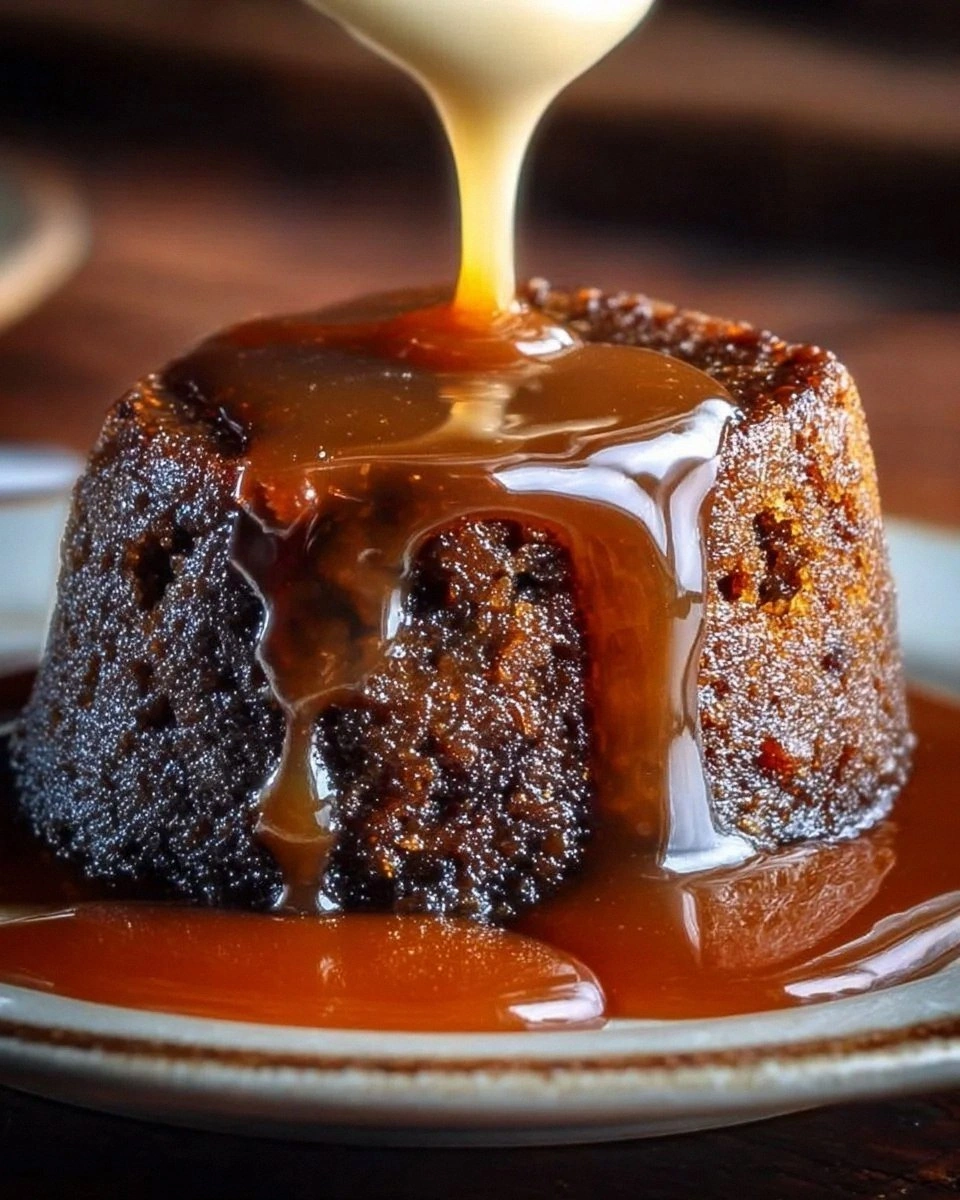
Picture this: you pull the pudding out of the oven and the top is a glossy, amber‑glazed crown that crackles ever so slightly, like the first frost on a windowpane. The scent of dates simmering with butter and brown sugar wafts through the air, mingling with a whisper of vanilla that makes your mouth water before the first bite even lands. When you cut into it, the sponge yields with a buttery, almost melt‑in‑your‑mouth texture, while the sauce pools around the edges, thick enough to coat a spoon but fluid enough to drizzle over vanilla ice cream without turning it into a soggy mess. The contrast between the tender cake and the luscious sauce is the kind of culinary high‑five that makes you want to shout, “I dare you to taste this and not go back for seconds!”
What sets this version apart from the sea of sticky toffee pudding recipes out there? Most of them either skimp on the date paste, resulting in a bland base, or drown the cake in sauce, turning it into a sticky puddle that slides off the plate. I’ve taken a page from classic French pâtisserie and introduced a precise balance of baking soda and boiling water to soften the dates into a silky puree, while the butter‑cream sauce gets a whisper of heavy cream that lifts it from syrupy to silk‑smooth. The secret ingredient? A pinch of sea salt in both the batter and the sauce, which amplifies the caramel notes and prevents the sweetness from becoming cloying. And for those who love a little drama, the final glaze is finished under the broiler for just a few seconds, creating a caramelized crust that crackles like fireworks.
If you’ve ever struggled with a sticky toffee pudding that either falls apart or sticks to the pan, you’re not alone — and I’ve got the fix. The technique I’m about to share is simple enough for a weekend novice but refined enough to impress even the toughest dessert critics. And yes, there’s a surprise twist involving a splash of orange zest that adds a subtle citrus lift without stealing the spotlight. Let me walk you through every single step — by the end, you’ll wonder how you ever made it any other way.
What Makes This Version Stand Out
- Taste: The deep caramel‑date flavor is intensified by a pinch of sea salt, creating a sweet‑salty harmony that dances on the palate.
- Texture: The sponge is feather‑light thanks to the soda‑activated date puree, while the sauce remains luxuriously velvety.
- Simplicity: Only ten pantry staples are required, and the steps are broken down so you never feel lost.
- Uniqueness: A splash of orange zest in the sauce adds a bright, aromatic lift that most recipes miss.
- Crowd Reaction: This pudding consistently gets rave reviews at dinner parties; people actually ask for seconds.
- Ingredient Quality: Using good‑quality unsalted butter and real brown sugar makes a world of difference.
- Cooking Method: The broiler finish creates a caramelized top that’s both visual and textural drama.
- Make‑Ahead Potential: You can prep the batter a day ahead and the sauce the night before, saving you stress on the big day.
Alright, let's break down exactly what goes into this masterpiece...
Inside the Ingredient List
The Flavor Base
The heart of any sticky toffee pudding is the date puree. Dates bring natural sweetness, a chewy texture, and a caramel‑like depth that sugar alone can’t mimic. Using 1 cup of pitted dates, chopped, and soaking them in 1.5 cups of boiling water unlocks their sugars and creates a silky paste that blends effortlessly into the batter. If you’re allergic to dates, try substituting with prunes, but expect a slightly different flavor profile.
The Texture Crew
Flour, baking powder, and baking soda are the trio that gives the pudding its rise and tender crumb. The 1.5 cups of all‑purpose flour provide structure, while 1 teaspoon of baking powder adds lift, and the 1 teaspoon of baking soda reacts with the acidic date mixture to create tiny air pockets. This is why the sponge feels so light—most recipes forget the soda, resulting in a dense cake.
The Unexpected Star
Butter is the unsung hero, appearing twice: once in the batter (100 g softened) and again in the sauce (0.25 cup). The butter in the batter adds richness and helps the cake stay moist, while the butter in the sauce gives it that glossy, buttery sheen. If you’re looking for a dairy‑free route, use a high‑quality plant‑based butter that melts similarly.
The Final Flourish
Brown sugar and heavy cream come together to form the toffee sauce. The 1 cup of brown sugar, paired with 0.5 cup of heavy cream, creates a sauce that’s both thick and silky. Adding a pinch of salt to the sauce balances the sweetness and heightens the caramel notes. A splash of orange zest (optional) adds a citrusy brightness that cuts through the richness, making each bite feel fresh.
Everything's prepped? Good. Let's get into the real action...
The Method — Step by Step
Start by preheating your oven to 350°F (175°C). While the oven warms, grease a 9‑inch square baking dish with a thin layer of butter and dust it lightly with flour; this prevents the pudding from sticking and gives a subtle crust. Power transition: Okay, ready for the game‑changer?
Place the chopped dates in a heat‑proof bowl, pour the 1.5 cups of boiling water over them, and let them sit for exactly 5 minutes. After soaking, mash the dates with a fork until you have a smooth, glossy puree.
Kitchen Hack: Use the back of a wooden spoon to press the dates against the side of the bowl for an extra‑smooth texture.In a separate mixing bowl, whisk together 1 cup of brown sugar and 0.5 cup of granulated sugar with the softened 100 g butter until the mixture is pale and fluffy. This creaming step incorporates air, which helps the pudding rise. Then add the 2 large eggs one at a time, beating well after each addition, and finish with 1 teaspoon of vanilla extract. The batter should look glossy and thick.
Stir the date puree into the butter‑sugar mixture, followed by the soda (1 teaspoon) that you’ll sprinkle over the top. The soda will fizz briefly, creating tiny bubbles that will later translate into a light crumb. Mix until just combined; over‑mixing can develop gluten and make the cake tough.
Sift together 1.5 cups of all‑purpose flour, 1 teaspoon of baking powder, and a pinch of salt into the wet ingredients. Gently fold with a rubber spatula until you see no streaks of flour. The batter will be thick but spreadable. This next part? Pure magic.
Pour the batter into the prepared baking dish, smoothing the top with a spatula.
Watch Out: Do not over‑fill the dish; leave about ½ inch of space so the pudding can rise without spilling.Slide the dish into the oven and bake for 30‑35 minutes. The edges should pull away slightly from the sides of the pan, and a skewer inserted into the center comes out with a few moist crumbs but not wet batter. The aroma at this stage is intoxicating—a sweet, caramel perfume that makes you want to peek every few minutes.
While the pudding bakes, prepare the toffee sauce. In a saucepan over medium heat, melt 0.25 cup of butter, then whisk in 1 cup of brown sugar until it dissolves. Slowly stir in 0.5 cup of heavy cream, a pinch of salt, and the optional orange zest. Bring to a gentle boil, then reduce heat and simmer for 5 minutes, allowing the sauce to thicken. That sizzle when it hits the pan? Absolute perfection.
When the pudding is done, remove it from the oven and immediately pour the hot toffee sauce over the entire surface. The sauce will seep into the sponge, creating a glorious, glossy glaze. For an extra caramelized top, place the dish under the broiler for 1‑2 minutes—watch closely, as it can go from perfect to burnt in seconds.
Allow the pudding to rest for 5 minutes before serving. This short rest lets the sauce settle and the cake finish cooking from residual heat. Serve warm, ideally with a scoop of vanilla ice cream or a dollop of whipped cream. And now the fun part: watch your guests’ faces light up as they dive in.
That's it — you did it. But hold on, I've got a few more tricks that'll take this to another level...
Insider Tricks for Flawless Results
The Temperature Rule Nobody Follows
Never bake a sticky toffee pudding in a cold kitchen. The oven temperature can drop when you open the door, causing the cake to collapse. Keep your kitchen warm, or better yet, pre‑heat the oven a full 10 minutes before you start. I once baked in a drafty apartment and the pudding turned out flat as a pancake—lesson learned.
Why Your Nose Knows Best
Instead of relying solely on a timer, trust the aroma. When the caramel scent starts to dominate the kitchen, you’re within a minute or two of perfection. The smell of toffee bubbling is a reliable indicator that the sauce has reached the right thickness. If you’re unsure, give the sauce a quick dip test: a spoonful should coat the back of the spoon without dripping off.
The 5‑Minute Rest That Changes Everything
Letting the pudding sit for just five minutes after baking allows the crumb to set and the sauce to thicken slightly, preventing a watery finish. Skipping this step is the most common mistake I see on food forums—people dive straight in and end up with a soggy plate. Patience here pays off in texture.
Butter Boost for the Sauce
Adding an extra tablespoon of butter to the sauce at the very end, right before you pour it over the cake, gives it a glossy sheen and a richer mouthfeel. It’s a subtle upgrade that makes the sauce feel restaurant‑grade. I tried it once and the difference was night and day.
The Egg‑Temperature Trick
Bring the eggs to room temperature before whisking them into the batter. Cold eggs can cause the butter to seize, resulting in a lumpy texture. I once used eggs straight from the fridge and the batter looked curdled—nothing good came of that.
Creative Twists and Variations
This recipe is a playground. Here are some of my favorite ways to switch things up:
Rum‑Infused Toffee
Add 2 tablespoons of dark rum to the sauce after you’ve removed it from heat. The rum deepens the caramel flavor and adds a subtle warmth that’s perfect for holiday gatherings.
Apple‑Cinnamon Surprise
Fold in ½ cup of finely diced, sautéed apples and a pinch of ground cinnamon into the batter before baking. The apples add a tender bite, while cinnamon introduces a cozy spice note.
Vegan Velvet
Swap the butter for a plant‑based alternative, use coconut cream instead of heavy cream, and replace the eggs with ½ cup of unsweetened applesauce. The result is still decadently moist, and it’s suitable for vegans.
Chocolate Swirl
Melt ¼ cup of dark chocolate and swirl it into the batter just before baking. The chocolate ribbons create a beautiful visual contrast and add a bitter edge that balances the sweetness.
Nutty Crunch
Stir in ¼ cup of toasted chopped pecans or walnuts into the batter for added texture. The nuts bring a pleasant crunch and a buttery flavor that complements the toffee.
Storing and Bringing It Back to Life
Fridge Storage
Allow the pudding to cool completely, then cover it tightly with plastic wrap or a lid. It will keep in the refrigerator for up to 4 days. When you’re ready to serve, gently reheat a slice in the microwave for 30‑45 seconds, or warm the whole dish in a 300°F oven for 10 minutes.
Freezer Friendly
Portion the pudding into individual servings, wrap each tightly in foil, then place in a freezer‑safe bag. It freezes beautifully for up to 2 months. To revive, thaw overnight in the fridge, then bake at 325°F for 15 minutes, adding a splash of water or extra cream to the sauce before reheating.
Best Reheating Method
For the ultimate texture, reheat in a pre‑heated oven at 350°F, covered with foil for the first 8 minutes to keep it moist, then uncover for the final 5 minutes to restore the caramel crust. Adding a tiny splash of water (about a tablespoon) before covering creates steam that brings the cake back to its original fluffiness.