I was halfway through a week of takeout, my fridge a barren wasteland of wilted lettuce and a single, lonely can of beans. The kitchen smelled like burnt onions and the microwave hissed like a distant storm. I stared at the pile of empty takeout bags and thought, “If only there was a way to turn this chaos into something that actually tastes good.” That’s when I decided to pull a classic comfort food out of the drawer of my culinary memory—chicken thighs in a crock pot. I was about to discover a recipe that would turn my kitchen into a fragrant, savory wonderland and my taste buds into a choir of delighted squeals.
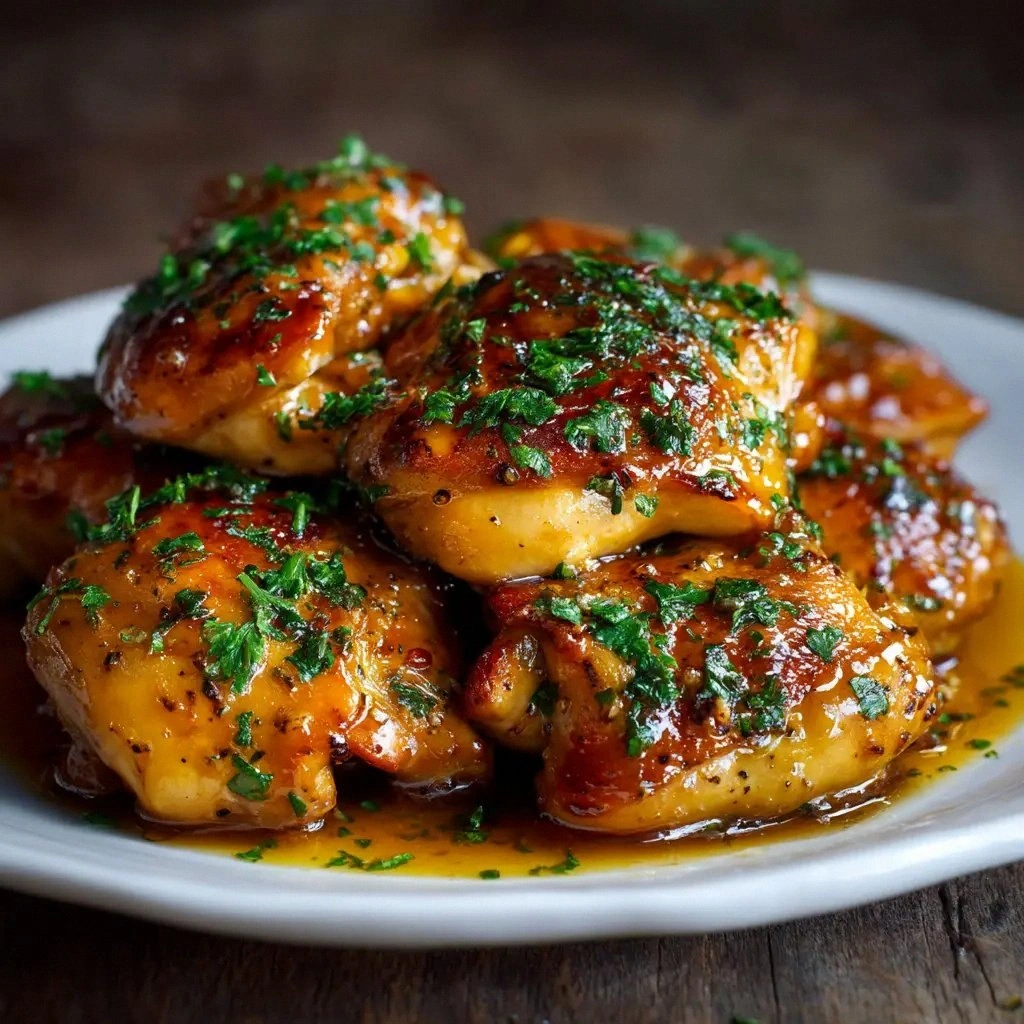
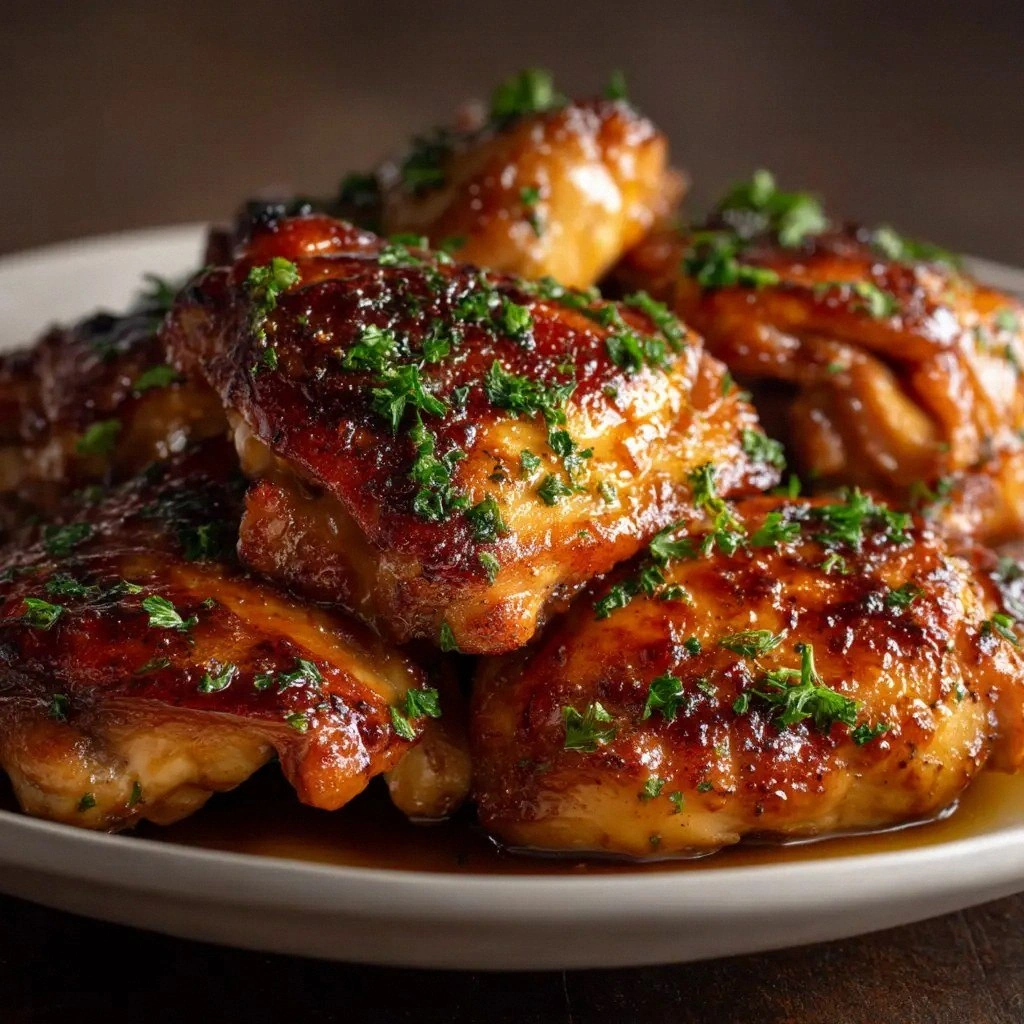
Picture this: the first bite of skin that crackles like a fresh sheet of foil, the meat inside melting like butter in a hot pan, and a sauce that clings to each piece like velvet. The aroma of garlic and soy sauce wafts through the air, mingling with the subtle earthiness of thyme and oregano. The sound of the slow cooker humming in the background is oddly comforting, like a lullaby for the hungry. The texture is a paradox—crisp on the outside, succulent on the inside, and that thin, glossy glaze that drips down the sides of the pot. The taste is a layered experience: salty, umami, slightly sweet, and just a hint of heat from the pepper that keeps you reaching for more.
What makes this version stand out is that it takes the humble chicken thigh and elevates it with a sauce that is both simple and complex. I’ve spent years tweaking the seasoning ratios until the flavors hit that sweet spot where nothing feels overpowering, yet everything feels complete. The sauce is thickened with cornstarch, giving it a silky sheen that coats the meat without turning it into a soup. The use of low‑sodium broth and soy sauce keeps the dish from becoming too salty, which is a common pitfall in many crock pot recipes. The result is a dish that is both crowd‑pleasing and comforting, with a finish that’s as satisfying to look at as it is to eat.
And here’s the kicker: I added a splash of citrus zest at the very end, a secret ingredient that brightens the entire dish without overpowering the deep umami notes. Trust me, a whisper of lemon or lime zest is the difference between “good” and “unforgettable.” I dare you to taste this and not go back for seconds. Picture yourself pulling this out of the crock pot, the whole kitchen smelling incredible, and knowing that you’ve just made the best version of this dish you’ll ever have at home.
Let me walk you through every single step—by the end, you'll wonder how you ever made it any other way.
What Makes This Version Stand Out
- Taste: The sauce is a harmonious blend of savory, sweet, and a hint of citrus, creating depth without overwhelming the chicken.
- Texture: The skin crisps to a golden perfection while the meat remains melt‑in‑your‑mouth tender.
- Ease: Minimal prep and a single pot mean you can set it up and forget about it, making it ideal for busy evenings.
- Ingredient Quality: Using bone‑in, skin‑on thighs maximizes flavor and keeps the dish hearty.
- Make‑Ahead: Prepare the sauce and sear the chicken in advance; the dish will only need a few minutes in the crock pot.
- Versatility: The base can be tweaked for different cuisines—add a splash of coconut milk for a Thai twist or a pinch of smoked paprika for a smoky kick.
- Nutrition: Balanced macros with protein, healthy fats from the skin, and a moderate carb count from the cornstarch slurry.
- Presentation: The glossy glaze and vibrant citrus zest make it Instagram‑ready and a real showstopper at the table.
Alright, let's break down exactly what goes into this masterpiece...
Inside the Ingredient List
The Flavor Base
Low‑sodium chicken broth is the foundation of our sauce, providing a savory backdrop that lets the other flavors shine without drowning the dish in salt. If you’re watching sodium, a homemade broth will give you more control; just simmer chicken bones with a splash of water and a pinch of salt for a few hours. Skipping the broth will result in a thinner sauce that lacks depth, so keep it on the list.
Low‑sodium soy sauce adds umami and a subtle sweetness that balances the acidity of the citrus zest. If you’re not a fan of soy, try tamari or coconut aminos, which offer a similar flavor profile with less sodium. Using a full‑sodium soy sauce will make the dish too salty, especially when combined with the broth.
Garlic is the aromatic hero that brings warmth and complexity. Crush the cloves to release the essential oils, then let them mingle with the broth so their flavor infuses the sauce. Too much garlic can become bitter, so a moderate amount is key.
Dried oregano and thyme provide an earthy, herbal note that grounds the dish. These herbs work together to mimic the fresh, green aroma you’d get from a garden. If you’re allergic to oregano, you can replace it with marjoram for a milder flavor.
Onion powder is a convenient way to add a subtle sweetness without the texture of fresh onions. It blends seamlessly into the sauce, giving a smooth finish. If you prefer fresh onions, finely mince a small onion and sauté it with the garlic for a richer base.
Black pepper adds a gentle heat that cuts through the richness of the chicken and the sauce. Use freshly ground pepper for the best flavor; pre‑ground pepper loses its potency over time. A pinch of cayenne can be added for a spicy kick, but be careful not to overpower the dish.
The Texture Crew
Cornstarch is the secret sauce thickener that gives the glaze its silky, glossy finish. It’s a simple slurry of cornstarch and cold water that, when added at the end, instantly thickens the sauce without adding bulk. If you’re gluten‑free, cornstarch is a great choice; just ensure it’s labeled gluten‑free if you have strict dietary restrictions.
Cold water is essential for making the slurry; using warm or hot water can cause the cornstarch to clump. Stir the mixture until it’s completely smooth, then whisk it into the crock pot during the final 10 minutes of cooking. This step locks in the sauce’s viscosity and prevents it from becoming watery.
The Star of the Show
Bone‑in, skin‑on chicken thighs are the heart of this dish. The bone adds richness and depth of flavor that boneless pieces simply can’t match. The skin, when crisped, adds a satisfying crunch and keeps the meat from drying out during the long cooking time. If you prefer a lighter version, you can remove the skin after searing, but the dish will lose that delightful texture.
The Final Flourish
A splash of citrus zest—lemon or lime—brightens the sauce, cutting through the richness and adding a fresh, bright note. Grated zest also adds a subtle aroma that elevates the dish from ordinary to extraordinary. If you’re not a fan of citrus, a small amount of fresh herbs like parsley or cilantro can serve as a finishing touch.
Everything's prepped? Good. Let's get into the real action...
The Method — Step by Step
- Start by patting the chicken thighs dry with paper towels; a dry surface ensures a crisp skin. Season both sides generously with salt, pepper, oregano, thyme, and onion powder, pressing the spices into the meat. Let the chicken sit for 10 minutes to absorb the flavors. This step is crucial for a savory, well‑seasoned base.
- Heat a heavy skillet over medium‑high heat and add a splash of oil. Once the oil shimmers, add the chicken thighs skin‑side down. Sear for 3–4 minutes until the skin turns a deep golden brown. Flip and sear the other side for 2–3 minutes. The seared skin will lock in moisture and add a satisfying crunch.
- Transfer the seared thighs to the crock pot. In the same skillet, add a bit more oil if needed, then sauté the garlic until fragrant—about 30 seconds. Pour in the chicken broth and soy sauce, scraping up any browned bits from the pan; these bits carry flavor into the sauce. Let the mixture simmer for a minute to meld the flavors.
- Cover the crock pot and cook on low for 6 hours or on high for 3 hours. The slow cooking process renders the meat tender and infuses it with the sauce’s flavors. Avoid lifting the lid frequently; each time you do, you lose heat and extend the cooking time.
- During the last 30 minutes, stir the sauce gently to ensure even distribution of flavors. If the sauce appears too thin, whisk the cornstarch slurry into the pot and stir until thickened. The sauce should coat the back of a spoon without dripping. This step is critical for achieving that silky glaze.
- Just before serving, sprinkle freshly grated lemon or lime zest over the chicken. The zest releases bright oils that cut through the richness and add a subtle citrus note. This finishing touch turns a good dish into a memorable one.
- Remove the chicken thighs from the crock pot and let them rest for 5 minutes. Resting allows the juices to redistribute, ensuring each bite stays moist. While the chicken rests, spoon the sauce into a small saucepan and simmer for an additional 2 minutes to thicken further if desired.
- Serve the chicken over steamed rice, quinoa, or roasted vegetables. Spoon the glossy sauce over the top and garnish with fresh herbs or a drizzle of sesame oil for extra depth. The combination of textures and flavors will leave your guests begging for seconds.
That's it — you did it. But hold on, I've got a few more tricks that'll take this to another level...
Insider Tricks for Flawless Results
The Temperature Rule Nobody Follows
Many people cook chicken thighs on high and then switch to low, but the secret to perfect tenderness is a steady low temperature. Keep the crock pot on low for the entire cooking time; this ensures the meat stays juicy and the flavors meld. If you must use high for a quick fix, add a splash of water to keep the environment moist.
Why Your Nose Knows Best
Your nose is your best judge of doneness. As the chicken cooks, the aroma shifts from garlicky to savory, then to a deep, caramelized scent. When the scent becomes rich and the skin cracks slightly, the chicken is ready. Trust your senses; they’re the most reliable indicator.
The 5‑Minute Rest That Changes Everything
After removing the chicken from the pot, let it rest for at least five minutes. This short pause allows the juices to redistribute, preventing a dry bite. In my experience, a resting period of five minutes is the difference between a good dish and a great one.
Searing Before Slow‑Cooking
Searing the chicken before slow cooking adds depth of flavor through the Maillard reaction. The caramelized bits that stick to the pan become part of the sauce, enriching the dish. If you skip searing, the final result will feel flat and less complex.
Using the Right Pot Size
A pot that’s too small can cause the sauce to boil over, while a pot that’s too large may dilute flavors. Aim for a crock pot that can hold all the ingredients with a little headspace. A 6‑quart pot is ideal for this recipe.
The Citrus Zest Trick
Adding citrus zest at the end brightens the sauce and adds a layer of freshness that contrasts the richness of the chicken. The zest should be added just before serving to preserve its bright oils. If you prefer a sweeter finish, a few drops of honey can balance the acidity.
Creative Twists and Variations
This recipe is a playground. Here are some of my favorite ways to switch things up:
Thai Coconut Twist
Replace the chicken broth with coconut milk and add a tablespoon of red curry paste. The result is a creamy, spicy dish that pairs beautifully with jasmine rice. Garnish with fresh cilantro and sliced red chilies for an extra kick.
Smoky Chipotle Variation
Add a teaspoon of chipotle powder to the sauce and use smoked paprika instead of regular paprika. The smoky flavor pairs wonderfully with roasted sweet potatoes. Finish with a squeeze of lime to cut through the richness.
Herb‑Infused Mediterranean
Swap the thyme and oregano for rosemary and basil. Add a handful of chopped sun‑dried tomatoes to the pot for a burst of umami. Serve over couscous for a Mediterranean flair.
Asian Sesame Glaze
Add a tablespoon of toasted sesame oil to the sauce and sprinkle toasted sesame seeds on top. Use a splash of rice vinegar for a tangy finish. Pair with steamed bok choy for a balanced meal.
Sweet and Tangy Barbecue
Swap soy sauce for a low‑sugar barbecue sauce and add a dash of apple cider vinegar. The sweet and tangy profile works well with a side of coleslaw. The chicken will have a caramelized glaze that’s hard to resist.
Garlic Parmesan Crust
Mix grated Parmesan with a tablespoon of melted butter and sprinkle over the chicken during the last 15 minutes. The crust will become golden and slightly crunchy. This variation is perfect for a quick dinner that feels like a special occasion.
Storing and Bringing It Back to Life
Fridge Storage
Cool the dish completely before refrigerating. Store the chicken and sauce separately in airtight containers. The chicken can be kept in the fridge for up to 4 days, while the sauce lasts 3 days. Reheat the sauce on low heat, adding a splash of water if it has thickened too much.
Freezer Friendly
For longer storage, freeze the chicken and sauce in separate freezer‑safe bags. Label with the date to keep track. They’ll stay fresh for up to 3 months. Thaw overnight in the fridge before reheating.
Best Reheating Method
Reheat the chicken in a skillet over medium heat until warmed through; this helps restore the crisp skin. Add a splash of water or broth to the sauce and simmer until heated. For a quick microwave method, cover the dish and heat on medium power for 2–3 minutes.