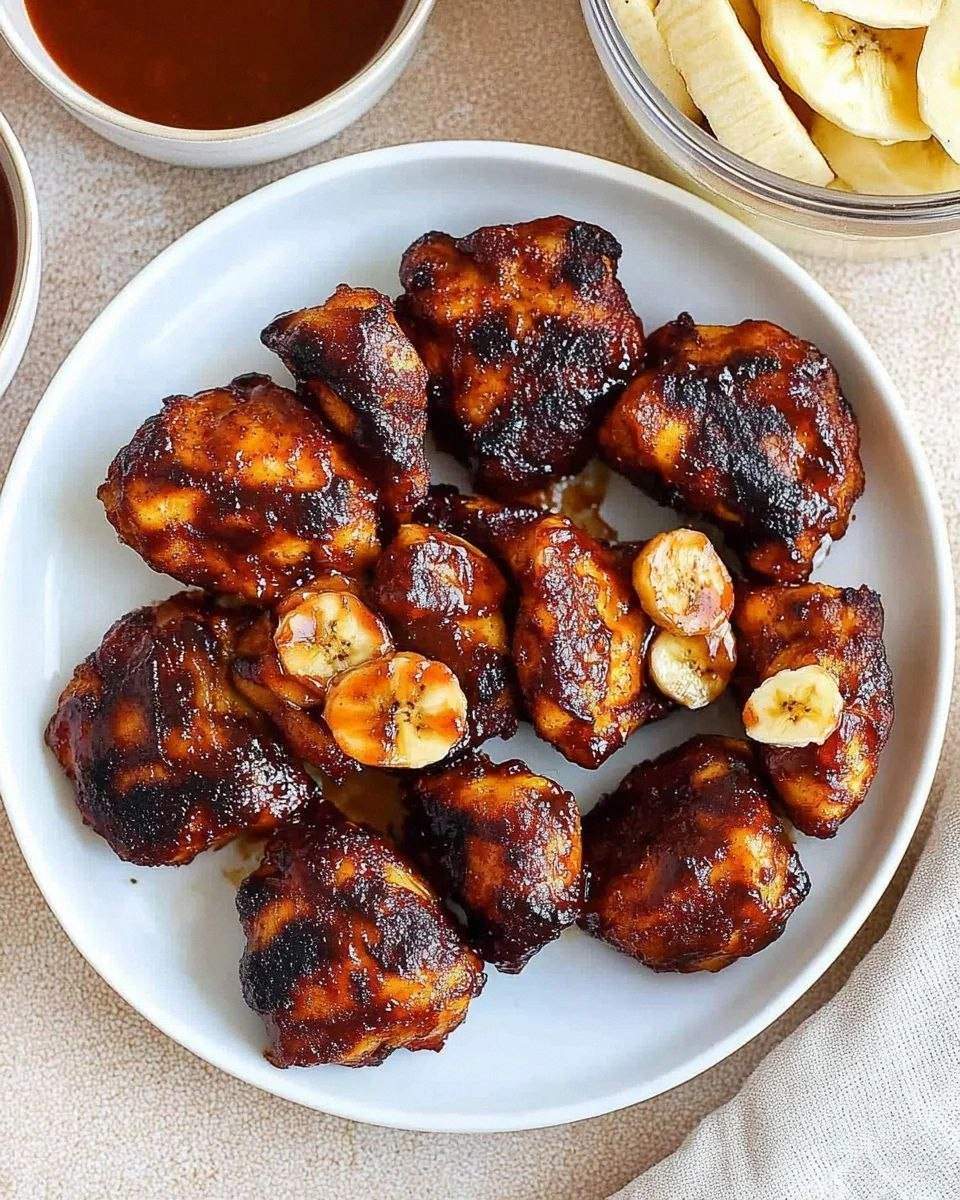
I'll be honest — I used to be that person who murdered chicken on the grill. You know the type: over-charred hockey pucks that tasted like despair and disappointment. My neighbors would politely nibble the edges while secretly feeding the rest to their dogs. Then came the Memorial Day cookout of 2019, when my brother-in-law bet me fifty bucks I couldn't make chicken thighs that people would actually fight over. Challenge accepted, my friend. What followed was three months of obsessive testing, fifteen pounds of chicken, and one breakthrough moment when I cracked the code to the juiciest, most flavor-packed grilled BBQ chicken thighs this side of Memphis. The first time I served them, my cousin literally licked the plate. My teenage nephew, who survives on pizza and cynicism, asked for thirds. And yes, I won that fifty bucks — plus bragging rights that still echo through family gatherings.
Picture this: It's golden hour in your backyard, the grill is humming along at the perfect temperature, and these gorgeous mahogany thighs are sizzling away. The sauce is caramelizing in real-time, creating those sticky, lacquered edges that make grown adults lose their minds. The smell alone — that smoky-sweet perfume of paprika, brown sugar, and garlic mingling with wood smoke — has neighbors peeking over fences like meerkats. When you finally pull these beauties off the grill, the skin crackles like a symphony while the meat stays so juicy it practically weeps when you cut into it. This isn't just dinner; it's a full sensory experience that'll ruin restaurant chicken for you forever.
Most recipes get this completely wrong. They either drown the chicken in sauce from the start (hello, burnt sugar disaster) or they serve it naked and dry, expecting you to be satisfied with some sad tableside sauce. Others rely on bottled dressings that taste like chemical factories had a party. Here's what actually works: a double-flavor whammy that penetrates the meat while creating that crave-worthy sticky exterior. We're talking about a dry rub that works like a charm overnight, plus a strategic sauce application that builds layers of flavor instead of charred disappointment. Trust me, once you taste this method, you'll wonder how you ever made it any other way.
Okay, ready for the game-changer? We're using bone-in, skin-on thighs because fat equals flavor, and that skin becomes the most incredible edible wrapper you've ever experienced. The secret weapon is a quick brine that takes ten minutes but makes all the difference between mediocre and mind-blowing. Plus, I've discovered the exact moment to sauce these babies — not when they hit the grill, not when they're almost done, but at this sweet spot where the sauce becomes one with the meat instead of sliding off like a guilty secret. Let me walk you through every single step — by the end, you'll wonder how you ever made it any other way.
What Makes This Version Stand Out
- Flavor Bomb: The dry rub penetrates deep into the meat overnight, creating layers of smoky, spicy, and sweet that explode in your mouth with every bite. This isn't surface-level seasoning — we're talking flavor that travels all the way to the bone, making every morsel taste like it's been kissed by BBQ angels.
- Texture Heaven: We achieve the impossible — crispy, crackling skin on the outside while keeping the meat so juicy it practically falls off the bone. The contrast between that shatteringly crisp exterior and the tender, almost buttery interior will make you close your eyes and sigh with satisfaction.
- Idiot-Proof Method: Forget babysitting the grill or worrying about timing. This recipe uses a foolproof temperature guide that guarantees perfect results whether you're a seasoned pitmaster or someone who once set water on fire. The built-in checkpoints ensure you nail it every single time.
- Sauce Strategy: Instead of the usual dump-and-pray approach, we apply our homemade BBQ sauce in three strategic layers. This creates a lacquered finish that caramelizes beautifully without burning, building up that sticky, finger-licking coating that makes people embarrass themselves in public.
- Crowd Psychology: These thighs disappear faster than free concert tickets. I've watched grown adults hover by the grill, plates in hand, waiting for the next batch like vultures. The combination of familiar comfort food with elevated technique makes this recipe a guaranteed crowd-pleaser at any gathering.
- Make-Ahead Magic: The dry rub and sauce can be prepped days in advance, and the chicken actually gets better when seasoned overnight. This means you can host a stress-free BBQ where you're actually drinking beer with your guests instead of sweating over the grill like you're defusing a bomb.
- Ingredient Integrity: Every component serves a purpose — no filler, no unnecessary steps. From the specific type of paprika to the exact brown sugar ratio, each ingredient is chosen for maximum impact. This isn't about being fancy; it's about being smart with flavors that actually matter.
Alright, let's break down exactly what goes into this masterpiece...
Inside the Ingredient List
The Flavor Foundation
Paprika isn't just paprika — we're using a blend of smoked and sweet varieties to create depth that makes people ask "what's your secret?" The smoked paprika brings that campfire essence that whispers of outdoor cooking and summer nights, while the sweet paprika adds a mellow fruitiness that rounds out the aggressive flavors. Brown sugar does double duty here: it caramelizes into that gorgeous sticky glaze while balancing the heat from our spices. Don't even think about substituting white sugar — you need that molasses richness that only brown sugar provides. The kosher salt is crucial too; its larger crystals dissolve slowly, creating a time-released seasoning that penetrates the meat gradually instead of just sitting on the surface like an unwanted guest.
Garlic powder might seem basic, but it's the unsung hero that ties everything together. Unlike fresh garlic, which can burn and turn bitter on the grill, garlic powder creates this savory backbone that makes people say "I can't quite place it, but I need more." Black pepper adds a subtle heat that builds in your throat, not on your tongue — it's the difference between a flavor that punches you in the face versus one that sneaks up and seduces you. Onion powder rounds out the allium party, adding sweetness and umami that makes the chicken taste more chicken-y, if that makes sense.
The Heat Brigade
Cayenne pepper is where we separate the flavor adventurers from the spice wimps. Just a teaspoon transforms the entire profile without making it hot for the sake of being hot — it's like turning up the volume on a great song instead of switching to death metal. The beauty is that the heat blooms gradually as you eat, building to this pleasant warmth that makes cold beer taste better and conversations flow easier. If you're cooking for spice-sensitive folks, you can dial it back, but honestly, I've served this to grandmas who went back for seconds.
Mustard powder might seem like an odd addition, but it's the secret weapon that makes people ask for your recipe. It adds this tangy complexity that brightens all the other flavors, like adding a squeeze of lemon to a rich stew. The volatile oils in mustard powder activate when they hit the heat, creating this ephemeral top note that dances above all the other flavors. Skip it and your chicken will still be good, but it won't have that mysterious something that keeps people guessing.
The Unexpected Star
Coffee grounds — yes, you read that right. Just a teaspoon of finely ground dark roast coffee adds this incredible depth that makes people go "hmm, what's that?" It's not about tasting coffee; it's about adding bitterness and complexity that balances the sweet elements. The coffee's natural oils help the rub adhere to the chicken while contributing to that beautiful dark crust that looks professionally done. Use the cheapest, darkest roast you can find — we're not making a latte here, we're building flavor architecture.
Worcestershire powder (or the liquid if you can't find the powder) is like liquid umami gold. It's got this fermented, aged quality that adds layers of mystery to your rub. Made from anchovies, tamarind, and molasses among other things, it brings this incredible depth that makes the chicken taste like it's been marinating for days instead of hours. If you absolutely can't find it, you can substitute with a bit of fish sauce, but the Worcestershire powder is worth hunting down.
The BBQ Sauce Components
Ketchup forms our base because it's already perfectly balanced with sweetness, acidity, and umami. But we're not using it straight — we're doctoring it up like a master chef creating a signature cocktail. The tomato paste adds concentration and body, transforming thin bottled sauce into something that clings to the chicken like it means it. Apple cider vinegar brings brightness that cuts through all the richness, preventing the dreaded "BBQ sauce mouth" where everything tastes one-note after a few bites.
Molasses is the time machine that transports you back to childhood BBQs while adding sophistication that makes adults appreciate it on a whole new level. It's got this mineral-rich, almost smoky quality that makes the sauce taste like it simmered for hours instead of minutes. Butter might seem odd in BBQ sauce, but it adds silkiness and helps the sauce adhere to the chicken, creating that glossy finish that makes people pull out their phones for photos.
Everything's prepped? Good. Let's get into the real action...
The Method — Step by Step
- Start by patting your chicken thighs absolutely dry with paper towels — and I mean dry like you're preparing them for a photoshoot. Any moisture on the surface will steam the skin instead of crisping it, and we'll have none of that nonsense here. This is the moment of truth where many grill masters fail before they even start. Take your time, change paper towels when they get damp, and don't forget to dry under the skin where moisture loves to hide. Your chicken should look matte and slightly translucent, like it's been air-dried overnight.
- Mix your dry rub in a small bowl, but here's the key — take a moment to smell each spice individually before combining them. This isn't some new-age nonsense; it's about activating your senses so you understand what each component brings to the party. The blend should smell like a summer BBQ in a jar, with the sweet paprika hitting your nose first, followed by the deeper notes of brown sugar and coffee. Whisk everything together until no streaks remain, because nobody wants a surprise pocket of cayenne that ruins someone's evening. Make extra while you're at it — this stuff is liquid gold on everything from pork to roasted vegetables.
- Now comes the massage, and don't be shy about it. Sprinkle the rub generously over both sides of the chicken, but reserve about a tablespoon for later. Use your hands to work it into every nook and cranny, sliding some under the skin where possible. This isn't just seasoning — it's insurance against bland chicken, and you're the policy writer. Press firmly so the rub adheres; you want it to become one with the chicken, not fall off like glitter at a craft fair. When you're done, the chicken should look like it's been vacationing in the Caribbean and got a beautiful tan.
- Let the chicken rest uncovered in the fridge for at least 2 hours, but overnight is where the magic really happens. This isn't just about flavor penetration — the circulating air in your fridge helps dry the skin even more, setting us up for maximum crispiness. Place the thighs on a wire rack over a baking sheet so air can circulate underneath too. Don't cover them with plastic wrap; we want that skin to dry out like we're making chicken jerky. If you're worried about fridge odors, trust me, the rub is so potent it'll protect the chicken while it works its overnight alchemy.
- While your chicken is getting its beauty sleep, whip up the BBQ sauce by combining all the ingredients in a small saucepan. Bring it to a gentle simmer over medium-low heat, stirring occasionally until it thickens enough to coat the back of a spoon. This should take about 15 minutes, and your kitchen will start smelling like a BBQ joint in the best possible way. Don't walk away from the stove here — the sugars can go from perfect to burnt in the blink of an eye. When it's done, the sauce should be glossy and thick, like liquid rubies that you can't wait to paint all over your chicken.
- Preheat your grill to medium-high heat, aiming for 400°F on the grates. This temperature is the sweet spot where the chicken cooks through without burning the exterior before the interior is done. If you're using charcoal, bank the coals to one side for two-zone cooking — this gives you a safety zone if things get too hot. Oil the grates well using a paper towel dipped in oil and held with tongs; we're creating a non-stick surface that'll keep our beautiful skin intact. The grill should be hot enough that you can hold your hand over it for only 3-4 seconds before it feels uncomfortably hot.
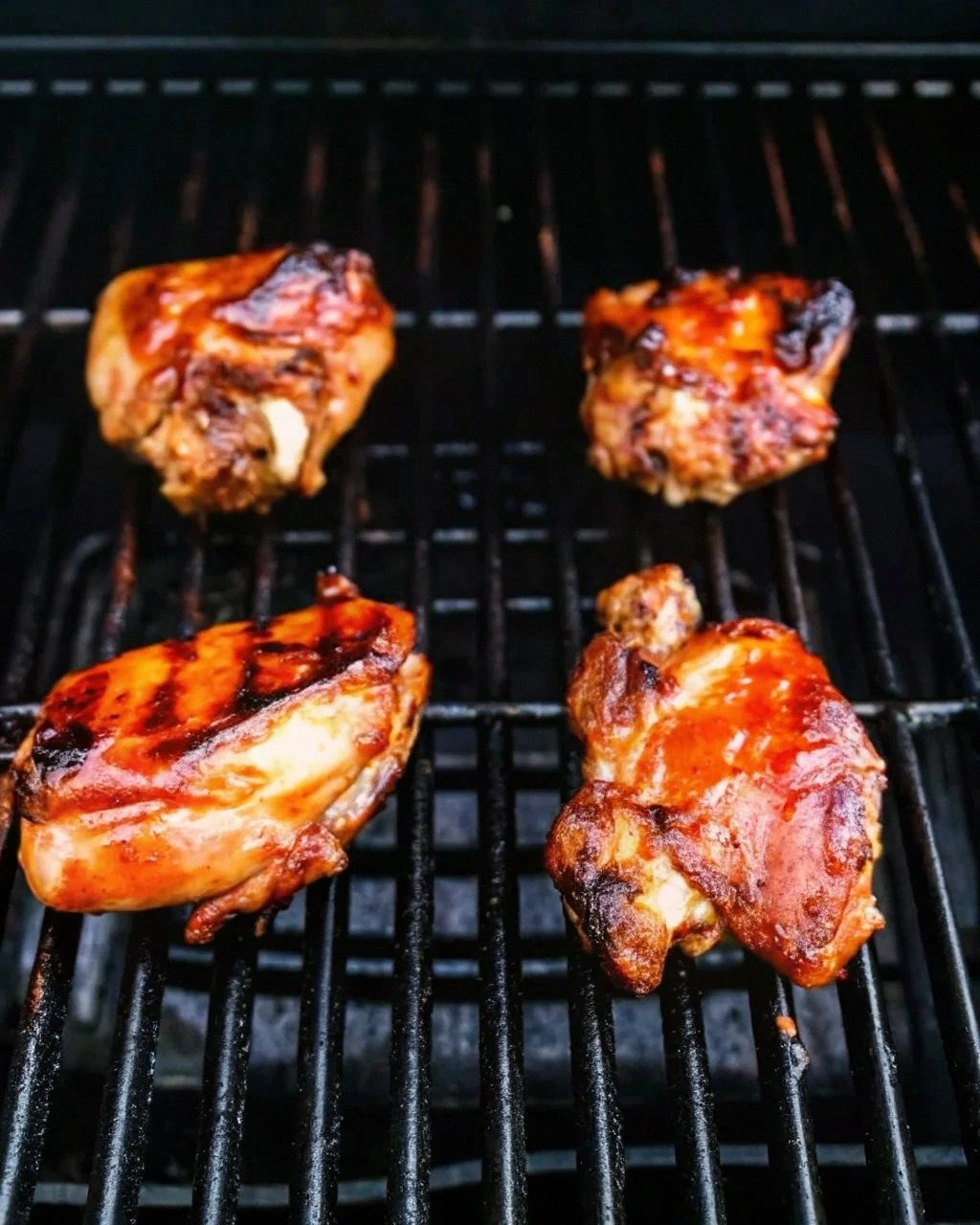
- Place the chicken skin-side down on the grill and don't touch it for 6-7 minutes. I know it's tempting to poke and prod, but resist the urge — this is where the skin transforms from flabby to crispy. You should hear a satisfying sizzle when the chicken hits the grates, like applause from a very appreciative audience. If the skin sticks when you try to lift it, it's not ready yet — give it another minute. When it's properly seared, the skin should release easily and have beautiful grill marks that look like a chef's tattoo.
- Flip the chicken and continue grilling for another 8-10 minutes with the lid closed. This is where the indirect heat finishes cooking the chicken through while keeping it moist. Resist opening the lid every thirty seconds — you're letting all that good heat escape, and the chicken needs this time to come to temperature. If you're using a charcoal grill, you might need to rotate the pieces halfway through to ensure even cooking, since charcoal can have hot spots. The chicken is ready for saucing when it reaches 160°F internally — we'll sauce it and let it finish cooking to the final temperature.
- Now comes the fun part — saucing time! Brush a thin layer of BBQ sauce on both sides of the chicken, then close the lid for 2 minutes. This first coat is like primer paint — it's setting the stage for what's to come. The sauce should start to bubble and caramelize but not burn; if it's darkening too quickly, move the chicken to the cooler part of your grill. After 2 minutes, flip and sauce the other side, closing the lid again. We're building layers here, like a delicious lasagna of flavor that'll make your taste buds sing.
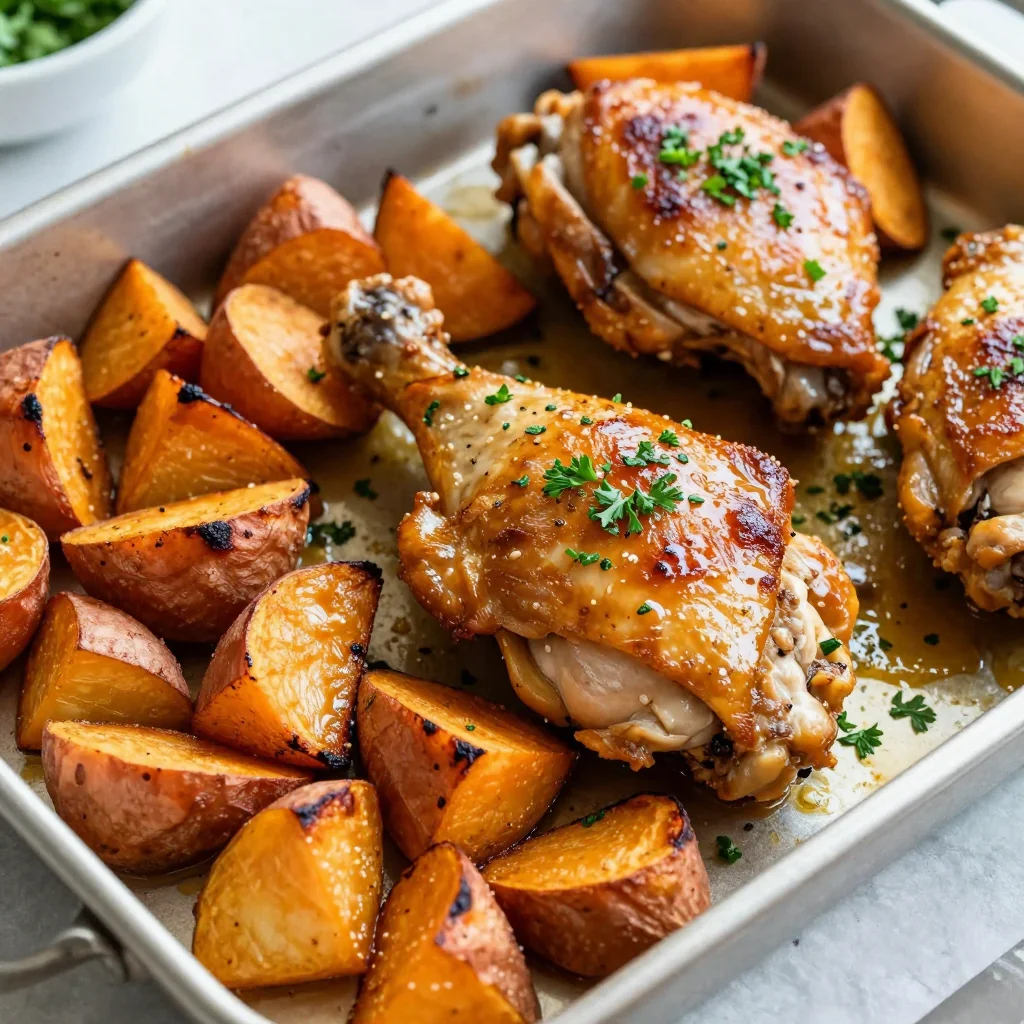
- Apply a final, generous coat of sauce and move the chicken to the cooler part of the grill. Close the lid and let it finish cooking for another 3-4 minutes, until it reaches 175°F internally. This final phase is where the sauce transforms from liquid to that sticky, glossy coating that makes people lose their minds. The chicken should look like it's wearing a coat of liquid rubies, shiny and tempting. When you press on the thickest part, it should feel firm but still have some give — overcooked chicken feels hard and unyielding, while perfectly cooked has a gentle resistance.
- Remove the chicken to a platter and let it rest for 5 minutes — and this is non-negotiable, people! I know you're hungry, and everything smells incredible, but cutting into hot chicken is like opening presents before Christmas morning. The juices need time to redistribute, otherwise they'll flood your cutting board instead of staying in the meat where they belong. Tent the chicken loosely with foil to keep it warm, but don't wrap it tightly or you'll steam away all that beautiful crispy skin we worked so hard for. Those five minutes are perfect for setting the table, opening another beer, or just basking in the glow of your impending culinary victory.
That's it — you did it. But hold on, I've got a few more tricks that'll take this to another level...
Insider Tricks for Flawless Results
The Temperature Rule Nobody Follows
Here's the thing about chicken — it lies to you. It can look perfectly golden on the outside while still being raw near the bone, or it can appear slightly pale while being perfectly cooked. The only truth teller is your instant-read thermometer, and you need to use it like your reputation depends on it (because it does). Insert it into the thickest part of the thigh, but don't touch the bone — bones conduct heat differently and will give you a false reading. The magic number is 175°F, not the 165°F you see everywhere. Dark meat needs that extra ten degrees to render the fat and connective tissue, transforming it from rubbery to silky. I learned this the hard way after serving what I thought was perfectly cooked chicken that turned out to be stringy and tough — my guests were polite, but I could see them chewing like cows on cud.
Why Your Nose Knows Best
Your sense of smell is the most underutilized tool in cooking, especially when grilling. When the chicken is perfectly done, you'll smell a sweet, slightly smoky aroma that makes your mouth water — it's like your body's built-in doneness indicator. If you catch a whiff of acrid, burnt sugar, you've sauced too early or the heat is too high. Conversely, if after 20 minutes you still smell raw chicken, something's not right with your temperature. I always tell people to trust their instincts — if it smells done, it probably is. A friend tried skipping this step once and ended up with chicken that looked perfect but tasted like it had been rescued from a house fire.
The 5-Minute Rest That Changes Everything
I cannot overstate how crucial the resting period is, yet it's the step most home cooks skip because they're impatient. During cooking, the muscle fibers contract and squeeze all the delicious juices toward the center. If you cut immediately, those juices flood your cutting board, leaving you with dry chicken that tastes like disappointment. But give it five minutes and something magical happens — the juices redistribute throughout the meat, making every bite succulent and flavorful. The chicken continues cooking from residual heat, so it actually finishes coming to temperature while resting. Plus, that brief pause gives you a moment to appreciate what you've accomplished, maybe snap a photo for Instagram, and build anticipation that makes the first bite even better.
The Skin-Crisping Secret
If you want skin so crispy it shatters like thin ice, here's the pro move: after the chicken is cooked through, move it directly over the hottest part of the grill for 30-45 seconds. This flash of high heat renders any remaining fat and creates an unbelievably crisp exterior. But stay vigilant — we're talking seconds here, not minutes. The skin should blister and bubble like the top of crème brûlée. I've seen people get distracted during this step and end up with chicken that looks like it survived a house fire. Stand right there, beer in hand, and watch it like a hawk. When it's perfectly done, you'll hear a satisfying crackle when you tap it with tongs.
The Make-Ahead Game Plan
Here's the beautiful thing about this recipe — it's actually better when you break it into stages. Season the chicken the night before, make your sauce on Monday, and all you have to do on grill day is cook. The flavors meld and deepen overnight, creating a more complex profile that tastes like you spent hours fussing when you actually spent most of the day watching football. I always make a double batch of sauce and freeze half — it keeps for three months and makes weeknight meals taste like weekend BBQ. The dry rub stores for six months in a jar, so I make enough to last through summer. This approach transforms what could be a stressful cooking project into a relaxed, enjoyable experience where you're actually present with your guests instead of sweating over timing.
Creative Twists and Variations
This recipe is a playground. Here are some of my favorite ways to switch things up:
The Korean Firecracker
Swap out the BBQ sauce for a mixture of gochujang, honey, rice vinegar, and sesame oil. The fermented chili paste brings this incredible umami depth that makes traditional BBQ sauce taste one-dimensional. Add some grated ginger and garlic to the dry rub, maybe a touch of Chinese five-spice powder. The result is sticky, spicy, slightly sweet chicken that'll make you rethink everything you thought you knew about BBQ. Garnish with sesame seeds and scallions, and watch people lose their minds over the fusion of Southern BBQ technique with Korean flavors. I served this at a potluck once and had three people ask for the recipe before they'd even finished their first piece.
The Mediterranean Escape
Transform the flavor profile completely by switching to lemon zest, oregano, and rosemary in your dry rub. Use olive oil instead of butter in the sauce, and add kalamata olives and sun-dried tomatoes to create this incredible Mediterranean version. The key is using preserved lemon paste in the final saucing — it brings this bright, funky quality that makes regular lemon taste like water. Add some crumbled feta on top right before serving, and you've got chicken that tastes like summer on the Amalfi coast. Even people who claim they don't like "ethnic food" (whatever that means) devour this version and ask for seconds.
The Maple-Bourbon Situation
For a sweet-savory version that pairs perfectly with fall weather, replace half the brown sugar with maple syrup and add a splash of bourbon to your sauce. The maple brings this incredible depth that corn syrup could never achieve, while the bourbon adds vanilla and caramel notes that make the chicken taste like it was cooked by a master chef. A touch of Dijon mustard in the rub adds complexity and helps balance the sweetness. This version is dangerous — it's so good that I've seen people who claim they're "watching their diet" go back for fourths. Serve it with roasted root vegetables and you've got a meal that'll make you forget all about pumpkin spice.
The Caribbean Heat Wave
Bring the islands to your backyard by adding jerk seasoning elements to your rub — think allspice, thyme, and scotch bonnet powder if you can find it. The allspice brings this warm, almost Christmas-like quality that pairs beautifully with the brown sugar already in our rub. Add some pineapple juice to your BBQ sauce for tropical sweetness that balances the heat. The key is using fresh lime zest in the final minutes of cooking — it brightens everything and makes the chicken taste like you're sitting on a beach in Jamaica instead of your suburban patio. Warning: this version has been known to cause spontaneous limbo contests and reggae sing-alongs.
The Smoky Mountain
For those who like it really smoky, we're going full pitmaster mode. Add smoked salt to your rub, use smoked paprika exclusively, and add a touch of liquid smoke to your sauce. But here's the trick — use different types of smoke to create complexity. Hickory for strength, apple wood for sweetness, and maybe a touch of mesquite for that Southwestern edge. The result is chicken that tastes like it spent twelve hours in a smoker instead of thirty minutes on a grill. Serve it with traditional sides like baked beans and coleslaw, and you've got a BBQ feast that'll make people think you inherited a smoker from your grandfather.
The Herb Garden
Create a fresh version by adding dried herbs to your rub — I'm talking herbes de Provence, Italian seasoning, or even a homemade blend of whatever's growing in your garden. The key is using dried herbs in the rub (they're more concentrated) and fresh herbs at the end. Add some lemon zest and white wine to your sauce instead of the traditional molasses-heavy version. The result is bright, herbaceous chicken that tastes like springtime even in the dead of winter. It's lighter than traditional BBQ but still has that satisfying grilled flavor that makes people close their eyes and sigh with contentment.
Storing and Bringing It Back to Life
Fridge Storage
Here's the reality — these thighs are so good that leftovers are rare, but when they happen, you need to store them properly or you'll end up with sad, soggy chicken that tastes like a shadow of its former self. Let the chicken cool completely before refrigerating, but don't leave it out for more than two hours (food safety first, flavor second). Store in an airtight container with a paper towel underneath to absorb excess moisture — nobody wants steamed chicken skin. They'll keep for up to four days in the fridge, but honestly, they're best within the first two days when the skin still has some crunch. If you find yourself with a mountain of leftovers, consider it a blessing — this chicken makes incredible sandwiches, salads, and even pizza toppings that'll make you look forward to lunch again.
Freezer Friendly
The good news is that this chicken freezes beautifully, making it perfect for meal prep or emergency deliciousness. Wrap each piece individually in plastic wrap, then place them all in a freezer bag with the air squeezed out — this prevents freezer burn and lets you grab just what you need. Frozen chicken thighs will keep for up to three months, though I dare you to keep them around that long. The skin won't be quite as crispy after freezing, but the flavor is still incredible. Thaw overnight in the fridge, never on the counter, and bring back to life using the reheating method below. Pro tip: freeze individual portions with a small container of extra sauce — future you will be incredibly grateful for this gift.
Best Reheating Method
Forget the microwave — that's how chicken goes from juicy to jerky faster than you can say "lunch rush." Instead, reheat in a 350°F oven for 10-12 minutes, adding a tiny splash of water to the pan and covering with foil. The water creates steam that rehydrates the meat without making it soggy, while the oven heat warms everything evenly. For the last 2-3 minutes, remove the foil and brush with fresh sauce — this revives the sticky exterior and makes it taste almost as good as fresh off the grill. If you're in a hurry, you can use the microwave with a damp paper towel over the chicken, but know that you're sacrificing texture for speed. The chicken will still taste great, but it loses that incredible contrast between crispy exterior and juicy interior that makes this recipe so special.