Love this? Pin it for later! 📌
When autumn leaves start to fall and the air turns crisp, there's nothing quite like a bowl of creamy pasta that captures all the cozy flavors of the season. This butternut squash sage pasta has become my go-to comfort food recipe, and I'm convinced it'll become yours too.
I first created this recipe during a particularly hectic November week when I was craving something luxurious but still packed with nutrients. My garden was overflowing with sage, and I had a beautiful butternut squash sitting on my counter just begging to be transformed into something magical. After a bit of experimentation, this creamy, dreamy pasta was born, and it's been a weekly staple in my kitchen ever since.
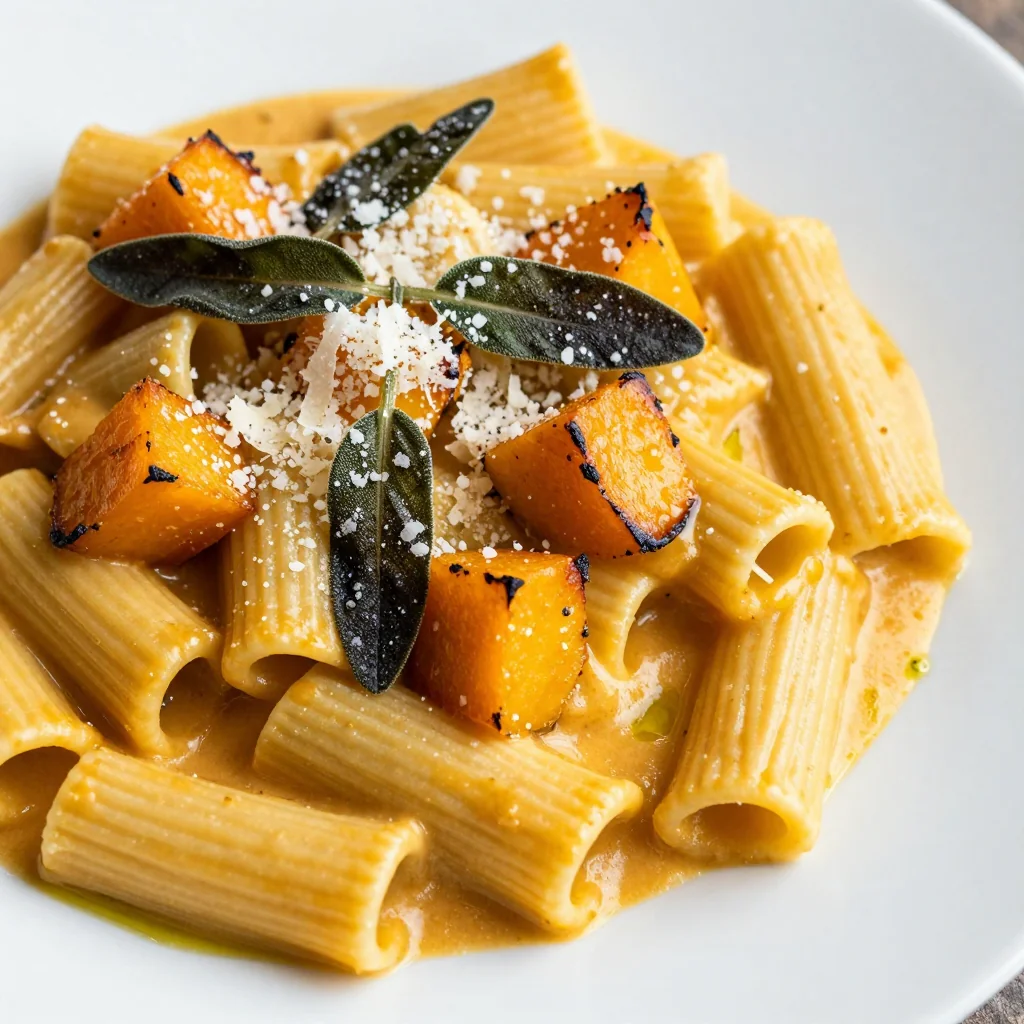
What makes this recipe special is how it manages to feel incredibly indulgent while secretly delivering a hefty dose of vegetables. The butternut squash creates this silky, velvety sauce that's reminiscent of a rich alfredo, but with a subtle sweetness and depth that only seasonal squash can provide. The crispy sage leaves add an earthy, aromatic note that elevates the entire dish from simple comfort food to restaurant-quality elegance.
Perfect for everything from a cozy weeknight dinner to an impressive date night meal, this pasta comes together in just about 40 minutes, making it as practical as it is delicious. Whether you're feeding picky eaters who claim they don't like vegetables or treating yourself to a solo dinner with a glass of wine, this recipe delivers on every level.
Why This Recipe Works
- One-Pot Wonder: Everything cooks in a single large pot, meaning minimal cleanup and maximum flavor development as the pasta starch helps thicken the sauce.
- Nutrient-Dense Comfort: Each serving packs nearly a full cup of vegetables while still delivering that creamy, indulgent experience you crave.
- Make-Ahead Friendly: The sauce can be prepared up to three days in advance, making this perfect for meal prep or entertaining.
- Restaurant Quality at Home: The combination of crispy sage and silky squash sauce creates a dish that tastes like it came from an Italian trattoria.
- Customizable Heat Level: From mild and family-friendly to spicy enough for heat lovers, you control the final flavor profile.
- Freezer Friendly: The sauce freezes beautifully for up to three months, so you can always have autumn comfort food ready to go.
- Vegetarian but Hearty: Even meat lovers will be satisfied by the rich, savory flavors and substantial texture that this vegetarian pasta delivers.
Ingredients You'll Need
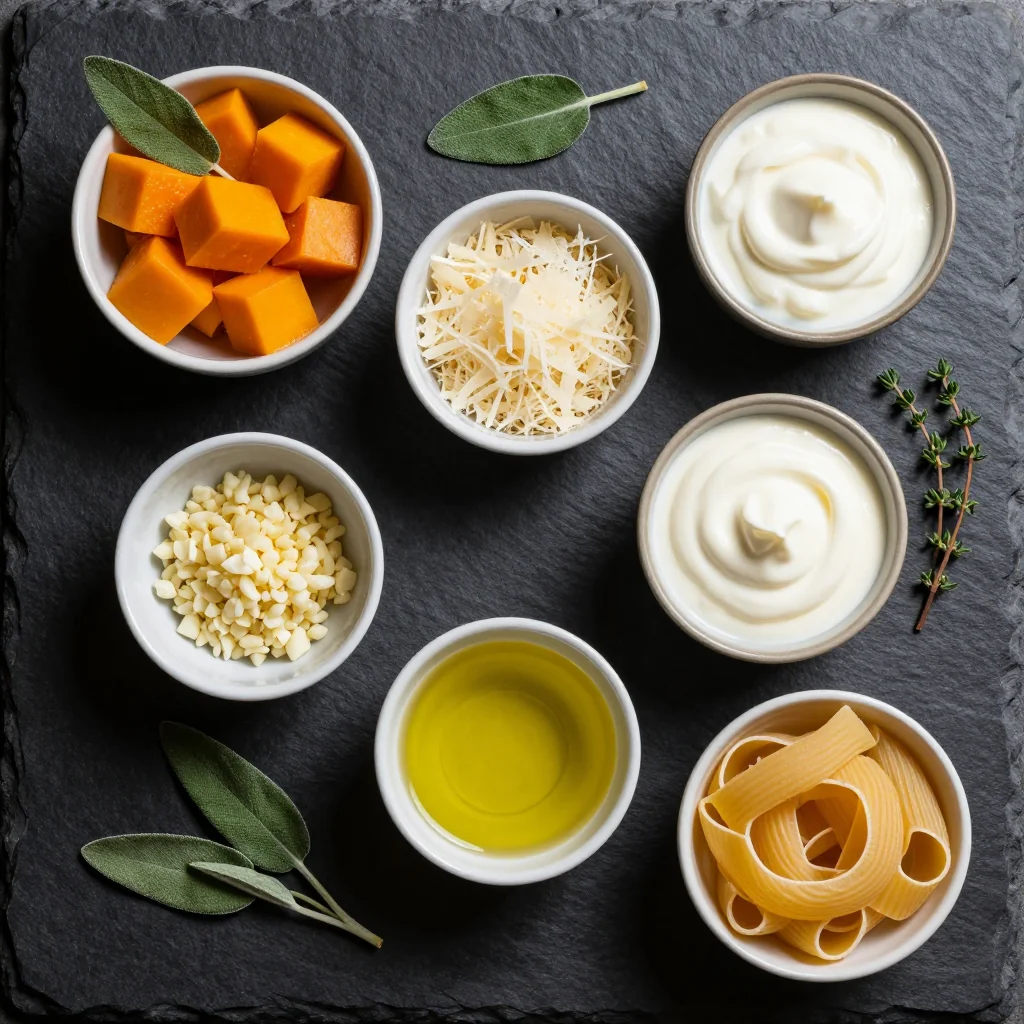
Let's talk about each ingredient and why it matters to the final dish. Understanding your ingredients is the first step to becoming a more confident, creative cook.
Butternut Squash (2 lbs, peeled and cubed)
The star of our show! Look for squash that feels heavy for its size with a matte, tan skin free from soft spots or cuts. The neck should be long and straight, which gives you more usable flesh and fewer seeds. If you're short on time, many grocery stores sell pre-peeled and cubed butternut squash, though it's often more expensive and not quite as fresh. You can substitute with pumpkin, acorn squash, or even sweet potato, though each will bring its own unique flavor profile to the dish.
Fresh Sage (1/4 cup leaves)
Fresh sage is absolutely non-negotiable here. Dried sage has a completely different flavor that's much more pungent and can easily overpower your dish. Look for bright green leaves without any brown spots or wilting. If you have a garden, sage is incredibly easy to grow and comes back year after year. In a pinch, you could use fresh thyme or rosemary, but the flavor will be quite different.
Pasta (1 lb, short shapes work best)
I love using rigatoni, penne, or farfalle because their nooks and crannies catch all that glorious sauce. However, this works beautifully with any pasta shape you love. Gluten-free pasta works wonderfully here too – just be sure to cook it until just al dente since it tends to continue cooking in the sauce. For an extra protein boost, try chickpea or lentil pasta.
Heavy Cream (1 cup)
This creates the luxurious texture that makes this dish so special. For a lighter version, you could use half-and-half, but the sauce won't be quite as rich and silky. Coconut cream works as a dairy-free alternative, adding a subtle tropical note that pairs surprisingly well with the butternut squash.
Parmesan Cheese (1 cup grated, plus extra for serving)
Freshly grated Parmesan melts into the sauce creating incredible depth and umami. Pre-grated cheese often contains anti-caking agents that can make your sauce grainy. If you're vegetarian, look for Parmesan made with microbial rennet rather than animal rennet. Asiago or Pecorino Romano make excellent substitutes.
Garlic (4 cloves, minced)
Fresh garlic adds that essential aromatic base. Feel free to adjust based on your love for garlic – I've used up to 6 cloves when I really want to pack a punch. Roasted garlic would add a sweeter, mellower flavor if you prefer less bite.
Vegetable Broth (2 cups)
Using a good quality vegetable broth adds layers of flavor to our sauce. If you're not strictly vegetarian, chicken broth works beautifully and adds even more depth. For the best flavor, use low-sodium broth so you can control the salt level yourself.
Olive Oil and Butter (2 tablespoons each)
The combination of olive oil and butter gives us the best of both worlds – the rich flavor of butter and the higher smoke point of olive oil. Use a good quality extra virgin olive oil for the best flavor. If you're dairy-free, simply double the olive oil.
How to Make Creamy Butternut Squash Sage Pasta You Need
Prep Your Ingredients
Start by peeling, seeding, and cubing your butternut squash into 1-inch pieces. Try to keep them uniform in size so they cook evenly. Mince your garlic, grate your Parmesan, and measure out all your ingredients. This mise en place approach makes the cooking process much smoother and ensures nothing gets overcooked while you're hunting for an ingredient.
Crisp the Sage Leaves
Heat 2 tablespoons of olive oil in a large, heavy-bottomed pot or Dutch oven over medium heat. Once the oil shimmers, carefully add your sage leaves in a single layer. Let them sizzle for about 30-45 seconds per side until they turn dark green and crisp. Use a slotted spoon to transfer them to a paper towel-lined plate. They'll continue to crisp as they cool. Reserve the sage-infused oil in the pot – this is liquid gold!
Cook the Squash
Add the butter to the sage oil and let it melt over medium heat. Toss in your butternut squash cubes and season with salt and pepper. Cook, stirring occasionally, for about 8-10 minutes until the edges start to caramelize and turn golden brown. This step builds incredible flavor through the Maillard reaction. Add the minced garlic in the last minute of cooking so it doesn't burn.
Create the Sauce Base
Pour in the vegetable broth and bring to a boil. Reduce heat to low, cover, and simmer for about 15 minutes until the squash is fork-tender. The squash should practically fall apart when pierced with a fork. Using an immersion blender, carefully puree the mixture until completely smooth. If you don't have an immersion blender, transfer to a regular blender in batches, being careful with the hot liquid.
Cook the Pasta
While your sauce is simmering, bring a large pot of salted water to a boil. Cook your pasta according to package directions for al dente, subtracting one minute from the recommended time – it will finish cooking in the sauce. Reserve 1 cup of pasta water before draining. Don't rinse the pasta! That starch helps the sauce adhere beautifully.
Enrich the Sauce
Once your squash is pureed, stir in the heavy cream and bring to a gentle simmer. Let it cook for 2-3 minutes to thicken slightly. Add the grated Parmesan cheese and stir until melted and smooth. The sauce should coat the back of a spoon. If it's too thick, thin with a bit of pasta water; if too thin, let it simmer a bit longer.
Combine and Finish
Add the drained pasta to the sauce and toss to coat evenly. Let it simmer together for 2-3 minutes, stirring gently, until the pasta is perfectly cooked and the sauce has thickened to your liking. If needed, add pasta water a little at a time to achieve your desired consistency. Taste and adjust seasoning with salt and plenty of freshly ground black pepper.
Serve and Garnish
Divide among warm serving bowls and top with the crispy sage leaves, extra grated Parmesan, and a drizzle of good olive oil if desired. For extra crunch, you could add some toasted pine nuts or walnuts. Serve immediately while it's hot and creamy, with crusty bread to mop up every last bit of that incredible sauce.
Expert Tips
Perfect Pasta Water
The starchy pasta water is liquid gold! It helps loosen the sauce and makes it cling to the pasta. Always reserve more than you think you'll need.
Sage Crisping Success
Don't overcrowd the pan when crisping sage. Work in batches if needed, and save that flavored oil – it's infused with incredible sage essence.
Blender Safety
When blending hot liquids, remove the center cap from the blender lid and cover with a kitchen towel. This prevents pressure buildup and potential explosions.
Sauce Consistency
The sauce will thicken as it sits. Keep some warm broth or cream on hand to loosen it up when reheating or serving leftovers.
Season in Layers
Season the squash while it cooks, taste the sauce before adding pasta, and adjust again at the end. This builds complex, well-developed flavors.
Make It Vegan
Substitute coconut cream for heavy cream, nutritional yeast for Parmesan, and use olive oil exclusively. The result is surprisingly rich and satisfying.
Variations to Try
Bacon Lover's Version
Add 6 slices of chopped bacon to the pot before the sage. Cook until crispy, remove with a slotted spoon, and use the bacon fat to crisp the sage.
Mushroom Medley
Sauté 2 cups of mixed mushrooms (cremini, shiitake, oyster) in butter until golden. Stir into the finished pasta for an earthy, meaty addition.
Spicy Autumn
Add 1/2 teaspoon of red pepper flakes when cooking the squash, or stir in 2 tablespoons of Calabrian chili paste for Italian-style heat.
Protein Boost
Stir in 2 cups of shredded rotisserie chicken, cooked Italian sausage, or pan-seared shrimp during the final step for a complete one-pot meal.
Storage Tips
Refrigerator Storage
Store leftover pasta in an airtight container in the refrigerator for up to 4 days. The sauce will thicken considerably as it cools, so when reheating, add a splash of broth, cream, or milk to loosen it up. Reheat gently over medium-low heat, stirring frequently to prevent scorching. The sage leaves will lose their crispness in the fridge, so store them separately in a paper towel-lined container and re-crisp in a dry skillet for 30 seconds.
Freezer Instructions
The sauce freezes beautifully for up to 3 months, but I recommend freezing the sauce separately from the pasta for best texture. Let the sauce cool completely, then store in freezer-safe containers or bags, leaving room for expansion. Thaw overnight in the refrigerator, then reheat gently with a splash of cream or broth. Cook fresh pasta to serve with the reheated sauce. If you must freeze the complete dish, undercook the pasta by 2-3 minutes so it doesn't become mushy when reheated.
Make-Ahead Strategy
The sauce can be prepared up to 3 days in advance and stored in the refrigerator. In fact, many people find the flavors develop even more beautifully after a day or two. Simply reheat the sauce while your pasta cooks, and dinner is on the table in under 20 minutes. This makes it perfect for entertaining or busy weeknights. You can also prep the squash up to 5 days in advance – just store the peeled, cubed squash in an airtight container in the refrigerator.
Frequently Asked Questions
Absolutely! Frozen butternut squash is a huge time-saver and works perfectly in this recipe. You can add it directly from frozen – just increase the cooking time by 3-4 minutes. The texture might be slightly softer than fresh squash, but once it's pureed into the sauce, you won't notice a difference. One 20-ounce bag of frozen squash equals about 2 pounds of fresh.
If your sauce is too thick, simply whisk in warm broth, cream, or even pasta water a little at a time until you reach your desired consistency. If it's too thin, let it simmer uncovered for a few more minutes to reduce, or whisk in a slurry of 1 tablespoon cornstarch mixed with 2 tablespoons cold water. Remember that the sauce will continue to thicken as it cools, so aim for slightly looser than you want the final product.
Yes! This recipe is naturally gluten-free except for the pasta. Simply substitute your favorite gluten-free pasta – I find that chickpea or lentil pasta works particularly well because their nutty flavor complements the squash beautifully. Rice-based pastas work too, but they can become mushy if overcooked, so watch them carefully. The sauce itself is completely gluten-free.
While sage has a unique flavor that's hard to replicate, you can create a different but equally delicious dish using fresh thyme, rosemary, or oregano. Use about 2 tablespoons of fresh herbs, adjusting to taste. You could also use 1 tablespoon of fresh thyme plus 1 tablespoon of fresh parsley for a more complex herb profile. Dried herbs won't provide the same flavor, but if you must use them, use 1/3 the amount.
For a lighter version, substitute half-and-half or whole milk for the heavy cream, though the sauce won't be quite as rich. You can also use Greek yogurt instead of cream – just whisk it in at the very end over low heat to prevent curdling. Using less cheese or a lower-fat cheese also works. The butternut squash itself is packed with vitamins A and C, fiber, and antioxidants, making this a nutrient-dense comfort food.
This recipe doubles beautifully for a crowd! The only consideration is the size of your pot – you'll need a very large Dutch oven or heavy pot. When doubling, you may need to blend the sauce in batches depending on your blender size. The cooking times remain roughly the same, though you might need an extra minute or two for the larger volume of squash to become tender. Leftovers freeze well, so don't worry about making too much!
Creamy Butternut Squash Sage Pasta You Need
Ingredients
Instructions
- Crisp the sage: Heat olive oil in a large pot over medium heat. Fry sage leaves until crispy, about 30-45 seconds per side. Remove and set aside.
- Cook the squash: In the same pot, melt butter and sauté butternut squash for 8-10 minutes until edges caramelize. Add garlic and cook 1 minute more.
- Simmer: Add vegetable broth, bring to a boil, then reduce heat and simmer covered for 15 minutes until squash is tender.
- Blend the sauce: Puree the squash mixture until smooth using an immersion blender or regular blender.
- Cook pasta: Meanwhile, cook pasta in salted water until al dente. Reserve 1 cup pasta water before draining.
- Enrich the sauce: Stir cream into the pureed squash, simmer 2-3 minutes, then whisk in Parmesan until melted.
- Combine: Add drained pasta to the sauce, toss to coat, and simmer 2-3 minutes until pasta is cooked through.
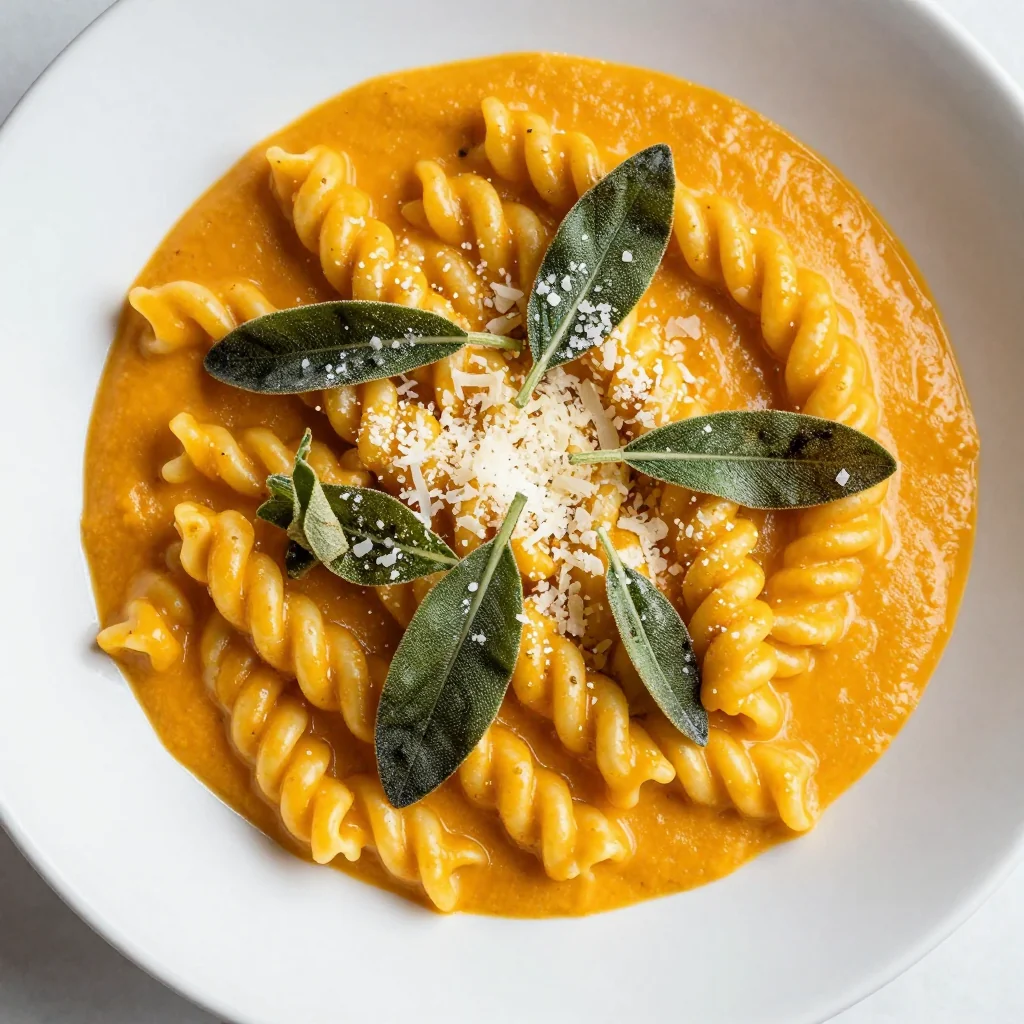
- Serve: Divide among bowls, top with crispy sage leaves and extra Parmesan. Serve immediately.
Recipe Notes
For best results, use fresh sage rather than dried. The sauce can be made up to 3 days ahead and refrigerated. If reheating, add a splash of cream or broth to loosen the sauce.