Let me tell you about the Thursday night that changed my kitchen life forever. I was standing in front of my open refrigerator at 7:43 pm, still in my work clothes, hangry enough to eat my own arm, and staring at the saddest collection of ingredients known to humanity: some chicken breasts that were one day away from retirement, asparagus that had seen better days, and a bottle of balsamic vinegar that had been gathering dust since the Obama administration. My usual move would have been to order takeout and call it a night, but something primal snapped inside me. I was going to make something magnificent or die trying.
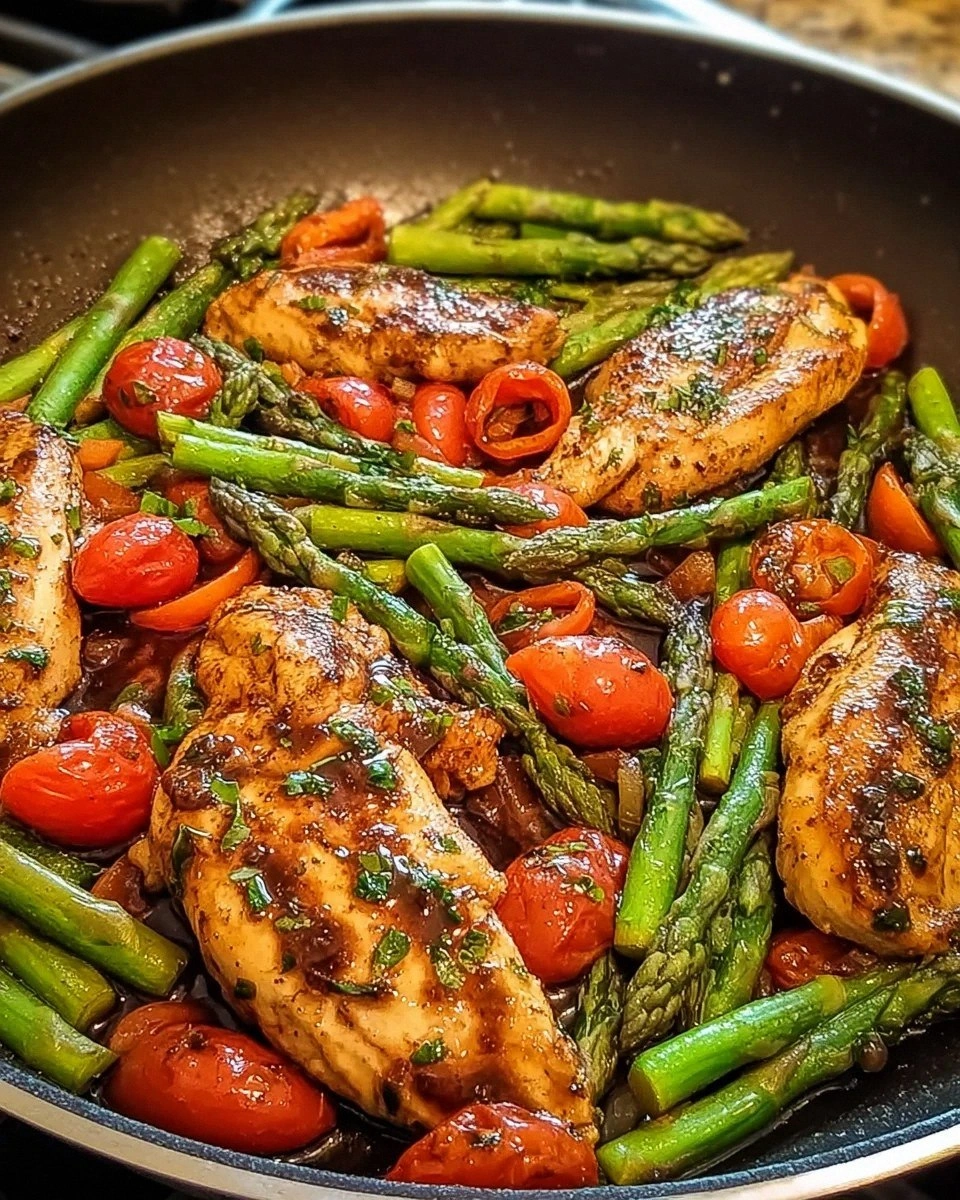
What happened next was nothing short of culinary alchemy. Thirty-five minutes later, I was standing over my stove, shoveling tender chicken glazed with the most incredible balsamic reduction into my face, alternating bites with perfectly charred asparagus that still had that satisfying snap. The cherry tomatoes had burst into little pockets of sweet-acidic joy, and even the optional carrots I'd thrown in as an afterthought had caramelized into vegetable candy. My roommate walked in, took one whiff, and without saying a word, grabbed a fork and started eating straight from the pan with me. We polished off what was supposed to be four servings in about six minutes flat, and I swear I heard angels singing.
Here's the beautiful truth about this one-pan wonder: it takes exactly the same amount of time as waiting for delivery, costs about a third of what you'd pay for takeout, and delivers restaurant-quality results that will make you feel like you've got your life together. The magic lies in the technique — we're going to build layers of flavor in a single pan, starting with a marinade that does double duty as a glaze, ending with a technique that ensures every component is cooked to perfection. Most recipes get this completely wrong because they try to cook everything at once, but we're going to be strategic about timing.
Picture yourself pulling this out of the oven, the whole kitchen smelling like an Italian grandmother's secret restaurant. The balsamic has reduced into this glossy, sticky glaze that coats every piece of chicken like edible velvet. The vegetables are tender-crisp, kissed with caramelization that makes them taste like they cost twenty dollars at a fancy farm-to-table spot. And the best part? Only one pan to wash. Let me walk you through every single step — by the end, you'll wonder how you ever made it any other way.
What Makes This Version Stand Out
Flavor Bomb: The balsamic glaze isn't just a sauce we throw on at the end — it's a transformation agent that penetrates every fiber of the chicken. While other recipes treat balsamic vinegar like an afterthought, we use it as the foundation of a marinade that works overtime, infusing the meat with sweet-tangy complexity that goes straight to your soul.
Texture Paradise: This isn't about mushy vegetables swimming in sauce. We're talking about chicken with crispy, caramelized edges that give way to juicy, tender meat, paired with asparagus that snaps when you bite it and tomatoes that burst with concentrated flavor. Every bite is a study in contrasts that keeps your fork moving.
One-Pan Mastery: Most one-pan recipes are liars — they demand you use multiple bowls for prep, then transfer things in and out of the oven. Not here. Everything happens in one vessel, from marinade to serving. Even the sauce reduces in the same pan, picking up all those gorgeous browned bits for maximum flavor.
Time Wizardry: Active cooking time is literally fifteen minutes. The oven does the heavy lifting while you change into comfy clothes, pour yourself a glass of wine, or pretend you're going to do those dishes piling up in the sink. By the time you're ready to eat, dinner's ready too.
Weeknight Luxury: This dish feels like something you'd get at a restaurant with cloth napkins, but it comes together faster than ordering pizza. The combination of humble ingredients elevated through smart technique means you can eat like royalty on a Tuesday night without breaking the bank.
Make-Ahead Friendly: The marinade works its magic for up to 24 hours, making this perfect for meal prep. I've marinated chicken on Sunday, cooked it on Wednesday, and it was even better than the fresh version. The flavors deepen and meld in the most incredible way.
Crowd-Pleasing Champion: I've served this to picky toddlers, skeptical teenagers, health-conscious gym rats, and food-snob friends. Every single one asks for the recipe. It's got that magical balance of familiar comfort and sophisticated flavor that makes everyone happy.
Inside the Ingredient List
The Flavor Base
Chicken breasts are the canvas, but not all are created equal. I'm talking about those plump, organic beauties that still have some dignity — none of that pre-frozen, injected-with-sodium nonsense. When you slice them into cutlets, you're not just making them cook faster (though that's a nice bonus). You're creating more surface area for our balsamic elixir to cling to, ensuring every bite is seasoned perfection. Skip the chicken, and you've basically got a very expensive vegetable side dish.
Balsamic vinegar is where most home cooks go tragically wrong. They grab the cheapest bottle on the shelf and wonder why their food tastes like battery acid. You want the good stuff — aged at least twelve years, thick enough to coat a spoon, with complex sweetness that makes you want to drink it straight. The cheap stuff will work in a pinch, but reduce it by half first or you'll end up with harsh, one-dimensional flavor that screams "I don't know what I'm doing."
The Texture Crew
Asparagus is the spring vegetable that thinks it's fancy, but here's the secret — size matters more than you think. Those pencil-thin spears will overcook into mush before your chicken hits temperature, while the thick tree trunks take forever. Look for medium spears, about the thickness of your thumb, with tight tips that haven't started to open. When you bend them, they should snap cleanly, not bend like rubber bands.
Cherry tomatoes aren't just here for color, though they do make the dish look like a million bucks. When they hit that hot pan, they undergo this incredible transformation — skins blister and split, releasing concentrated juices that mix with the balsamic to create an impromptu pan sauce. If you're tempted to skip them because "someone in the family doesn't like tomatoes," I beg you to reconsider. They melt into the background, adding sweetness and body without screaming "tomato!"
The Unexpected Star
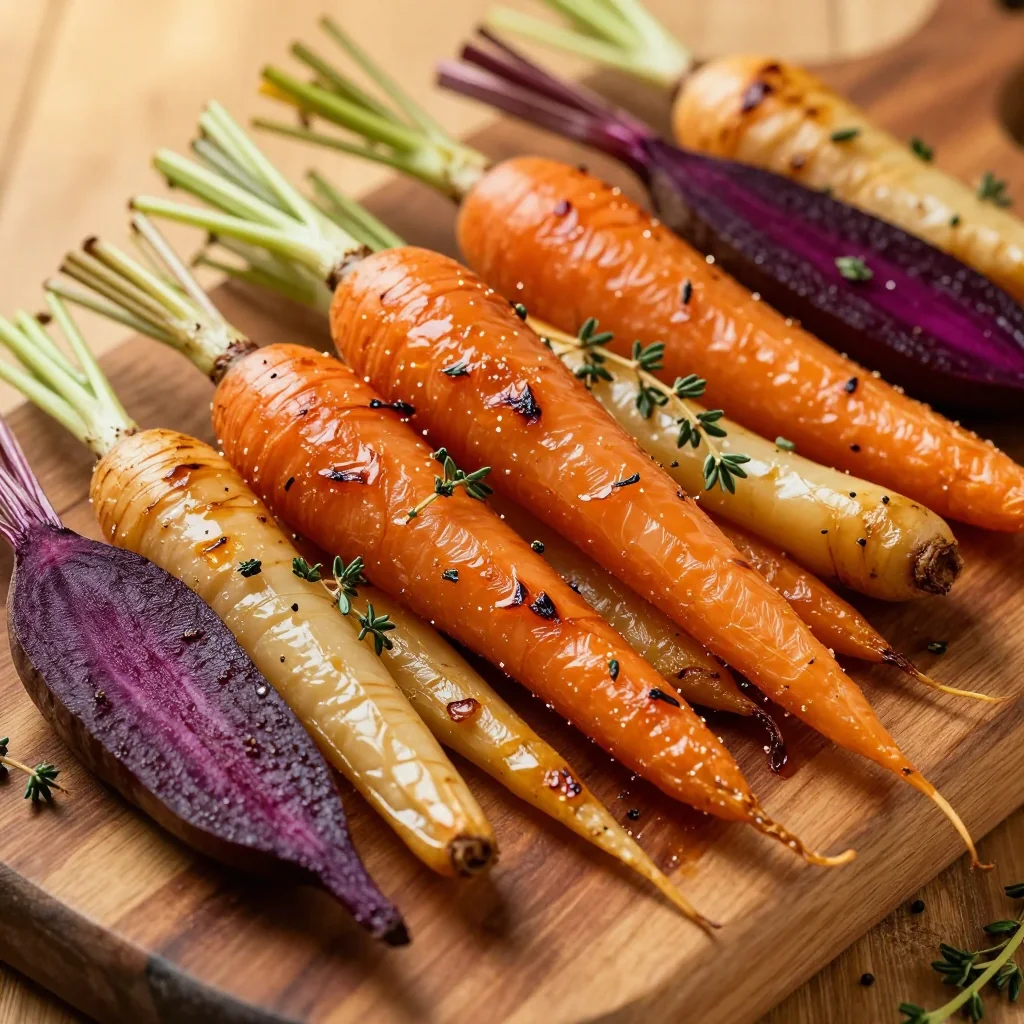
Carrots might seem like an optional afterthought, but they're actually the secret weapon that takes this from good to unforgettable. When julienned into thin matchsticks, they cook in exactly the same time as everything else, becoming tender-sweet with caramelized edges that taste like vegetable candy. They also add that pop of orange that makes the dish look professionally styled, even if you couldn't care less about Instagram.
The Final Flourish
Honey is the unsung hero that transforms our balsamic from sharp and aggressive to smooth and seductive. It doesn't make things sweet — it rounds out the edges, creating harmony between the acid and the savory elements. I've tried this with maple syrup, brown sugar, even agave, and nothing works quite like good old honey. The trick is adding it to the marinade, not the glaze, so it has time to dissolve and distribute.
Everything's prepped? Good. Let's get into the real action...
The Method — Step by Step
- Start with the chicken transformation: Lay those breasts on your cutting board and channel your inner surgeon. Slice them horizontally through the middle, but don't go all the way through — you're making a hinge, not two pieces. Open them like a book and pound them to an even thickness with a meat mallet or heavy pan. This isn't about violence; it's about ensuring every bite cooks at the same rate. You want them about 3/4 inch thick — any thinner and they'll dry out, any thicker and they'll take forever.
- Make the marinade that dreams are made of: In your largest bowl, whisk together balsamic vinegar, olive oil, honey, minced garlic, Italian herbs, salt, and pepper. Don't just dump everything in and hope for the best — the honey needs coaxing to dissolve into the vinegar. Whisk until it looks like mahogany silk, then taste it. It should make your tongue dance with sweet-tangy excitement. If it doesn't, add a pinch more salt or a drip more honey until it sings.
- Get intimate with your chicken: Add the chicken to the marinade and really work it in. Massage those flavors into every crevice like you're giving the chicken a spa treatment. This isn't the time to be dainty — really get in there. The salt needs time to penetrate the meat, seasoning it from the inside out. Let it rest for at least 15 minutes, but if you've got time, let it go for up to 24 hours in the fridge. The longer it marinates, the deeper the flavor goes.
- Prep your vegetables like a pro: While the chicken is soaking up all that goodness, get your vegetables ready. Snap the woody ends off the asparagus — they'll naturally break at the right spot if you bend them. Cut cherry tomatoes in half so they can release their juices into the pan. If you're using carrots, julienne them into thin matchsticks so they'll cook quickly. Everything should be roughly the same size so it all finishes cooking at the same time.
- Preheat your oven to 425°F — this is non-negotiable. You want it ripping hot so everything starts cooking immediately when it hits the pan. A hot oven creates caramelization, and caramelization equals flavor. While it's heating, take your largest oven-safe skillet and heat it over medium-high on the stove. You want it hot enough that a drop of water sizzles and disappears immediately.
- Sear the chicken to golden perfection: Remove the chicken from the marinade (but keep that liquid — it's liquid gold) and pat it mostly dry. Add a swirl of oil to your hot pan and lay the chicken in carefully. Don't move it for at least 3 minutes — let it develop that gorgeous crust. When it releases easily from the pan, flip it over and let the other side get equally beautiful. You're not cooking it through here, just building flavor and color.
- Add the vegetables strategically: Remove the chicken to a plate temporarily — don't worry about it getting cold. Add your asparagus to the pan first, letting it get a little charred on the edges. After 2 minutes, add the tomatoes and carrots, tossing everything together. The tomatoes will start to release their juices, creating a natural sauce. Return the chicken to the pan, nestling it among the vegetables.
- Pour on the remaining marinade and work some oven magic: Drizzle the reserved marinade over everything — yes, the same stuff the raw chicken was in. It's all going to cook to safe temperature in the oven, so don't panic about bacteria. Slide the whole pan into your hot oven and let it roast for 12-15 minutes. The exact time depends on your chicken thickness, but you'll know it's done when the internal temperature hits 165°F.
- The final flourish that makes all the difference: Pull the pan from the oven and let it rest for 5 minutes. I know you're starving, but this rest lets the juices redistribute so your chicken stays moist. While it's resting, the residual heat will finish cooking the vegetables to tender-crisp perfection. Spoon some of the pan juices over everything, scatter with fresh herbs if you're feeling fancy, and prepare for your life to change.
That's it — you did it. But hold on, I've got a few more tricks that'll take this to another level...
Insider Tricks for Flawless Results
The Temperature Rule Nobody Follows
Here's the thing that separates restaurant-quality chicken from the dry, sad stuff most people serve: temperature control. I'm talking about pulling your chicken out of the oven at exactly 160°F, not 165°F. "But Sarah," you're thinking, "won't I get salmonella and die a horrible death?" Nope. The chicken continues cooking from residual heat, coasting up to a perfect 165°F while it rests. If you wait until it hits 165°F in the oven, you'll end up with 170°F+ chicken that's drier than the Sahara. I've made this mistake more times than I care to admit, and it's the difference between "meh" and "oh my god, this is the best chicken of my life."
Why Your Nose Knows Best
Forget timers — your nose is the most sophisticated kitchen tool you own. When this dish is perfectly done, your kitchen will smell like an Italian grandmother's house during Sunday dinner. The balsamic will have caramelized into this intoxicating sweet-savory perfume that makes your stomach growl like an angry bear. If you smell garlic starting to turn bitter or vinegar that's too sharp, you've gone too far. That scent is your early warning system, telling you to pull the pan before everything crosses over from perfectly golden to sadly burnt.
The 5-Minute Rest That Changes Everything
I know you're hungry. I know the smell is driving you crazy. But walking away from this pan for exactly five minutes will transform your dinner from good to legendary. During this rest, the proteins relax, the juices redistribute, and the vegetables finish cooking in the gentle residual heat. It's like putting the final polish on a masterpiece. Use this time to set the table, pour yourself a glass of wine, or just stare longingly at the pan like I do. Trust me, these five minutes feel like forever but they're worth their weight in gold.
The Pan Selection Secret
Not all pans are created equal for this dish. You want something heavy that holds heat evenly — cast iron is ideal, but a heavy stainless steel skillet works too. Non-stick won't give you those gorgeous caramelized bits that make the sauce incredible. The pan should be large enough that everything fits in a single layer, but not so large that your sauce evaporates before it can work its magic. I've made this in everything from a tiny eight-inch pan (don't do this) to a massive roasting pan (also don't do this), and a 12-inch skillet is the Goldilocks zone.
Creative Twists and Variations
This recipe is a playground. Here are some of my favorite ways to switch things up:
The Mediterranean Vacation
Swap the Italian herbs for Greek oregano, add a handful of kalamata olives and some crumbled feta at the end. Throw in some artichoke hearts if you're feeling fancy. The briny olives play beautifully with the sweet balsamic, and the feta adds this creamy tang that makes you feel like you're dining on a cliffside in Santorini. Serve it over orzo with a squeeze of lemon, and suddenly Tuesday night feels like vacation.
The Spicy Southern Belle
Add a tablespoon of hot honey instead of regular honey, throw in some sliced andouille sausage, and swap the asparagus for green beans. The spice from the hot honey and sausage creates this incredible balance with the balsamic — sweet, spicy, tangy, all in perfect harmony. It's like someone took this dish on a road trip to New Orleans and it came back with stories to tell.
The Fall Harvest Edition
Swap the asparagus for Brussels sprouts (halved) and the cherry tomatoes for cubed butternut squash. Add some fresh thyme and a handful of dried cranberries. The longer roasting time works perfectly for these heartier vegetables, and the cranberries add pops of tart sweetness that make this taste like autumn on a plate. It's the same technique, but completely different flavors.
The Low-Carb Powerhouse
Keep everything the same but add a bed of cauliflower rice to the pan during the last 5 minutes of cooking. It soaks up all those gorgeous pan juices and turns into this flavorful base that makes the whole thing more substantial without adding carbs. Add some sliced almonds for crunch, and you've got a meal that satisfies like comfort food but fuels like health food.
The Asian Fusion Remix
Replace the Italian herbs with fresh ginger and a splash of soy sauce, swap the honey for maple syrup, and add some baby bok choy instead of asparagus. The balsamic still works here — it adds depth without screaming "Italian!" Top with sesame seeds and scallions, and serve it over rice noodles. It's like your favorite takeout got a fancy makeover.
The One-Pan Brunch Special
Make everything as written, but during the last 8 minutes of cooking, crack 4-6 eggs directly into the pan. They'll poach in the balsamic sauce, creating these gorgeous pockets of runny yolk that mix with the glaze to create the most incredible sauce. Serve it with crusty bread for sopping, and suddenly you've got the most impressive brunch dish that feeds a crowd with zero effort.
Storing and Bringing It Back to Life
Fridge Storage
Here's the beautiful thing about this dish — it actually gets better overnight. Store everything in an airtight container with all those gorgeous pan juices spooned over the top. The flavors meld and deepen in the most incredible way. It'll keep for up to 4 days in the fridge, though I've never had it last more than 2 because people keep eating it cold straight from the container. Pro tip: store the chicken and vegetables together but separate from any extra sauce — it makes reheating easier and prevents everything from getting soggy.
Freezer Friendly
The chicken freezes beautifully, but the vegetables are a different story. If you're planning to freeze, I'd recommend cooking extra chicken and setting it aside before adding the vegetables. Frozen asparagus emerges from the freezer like a sad, limp shadow of its former self. But here's a hack: freeze individual portions of chicken with extra sauce in freezer bags. When you're ready to eat, thaw overnight and serve over freshly roasted vegetables or a salad. It's like having gourmet meal prep ready to go.
Best Reheating Method
Whatever you do, don't microwave this into rubbery submission. Instead, add a splash of water to a pan, add your leftovers, cover with a lid, and warm gently over medium heat. The steam brings everything back to life without drying it out. If you're in a rush, the microwave works, but add a damp paper towel over the top and heat in 30-second bursts, stirring between each one. And whatever you do, don't overheat it — you're just warming it through, not cooking it again. That sizzle when it hits the pan? Absolute perfection, just like the first time.