Picture this: it’s a blistering July afternoon, the kind that makes the air feel like a warm blanket you can’t shake off, and you’re stuck in a kitchen that smells like yesterday’s burnt toast. I was halfway through a marathon of “quick lunch” videos when my neighbor shouted, “Hey, bring something cool to the block party!” I stared at the empty fridge, my mind racing for a rescue mission that didn’t involve a blender and a bag of frozen fruit. That’s when I remembered the dusty bag of dried hibiscus flowers I’d bought on a whim at a farmer’s market two weeks earlier. I dared myself to turn those ruby‑red petals into a drink that would make even the sun take a second glance. I’m not kidding—this was the moment I realized I could create a beverage that’s part floral fiesta, part citrus punch, and all‑out summer in a glass.
The first sip was a revelation: the deep, ruby hue of the hibiscus swirled with the bright, almost neon green of fresh lime, and the sweet‑tart balance hit my palate like a perfectly timed drum solo. The aroma was a fragrant whisper of tropical gardens, the kind that makes you think of distant coastlines and hammock‑swinging afternoons. I could hear the faint clink of ice cubes as they tumbled into the pitcher, the soft sigh of steam as the hibiscus steeped, and the distant hum of a lawn mower that suddenly seemed far less annoying. My tongue felt the gentle kiss of acidity from the lime, then the comforting hug of honey‑sweetness, while the coolness of the ice made the whole experience feel like a refreshing dip in a pool of liquid sunshine.
Most hibiscus iced tea recipes I’ve tried either left me with a watery, under‑flavored brew or an overly sweet concoction that made me feel like I’d just swallowed a candy store. This version, however, stands out because it respects the hibiscus’s natural tartness, amplifies it with the zing of lime, and tempers it with just the right amount of sweetener—no more, no less. I’m not just talking about a drink; I’m talking about a liquid that sings, that dances, that makes you want to raise your glass and shout, “I dare you to taste this and not go back for seconds!” If you’ve ever struggled with getting that perfect balance, you’re not alone — and I’ve got the fix.
What really makes this recipe a game‑changer is the technique I’ll reveal a few paragraphs down: a quick “cold‑shock” method that locks in the hibiscus’s vibrant color and preserves its delicate flavors, plus a secret ingredient that adds a subtle depth you never expected. Trust me, this is hands down the best version you’ll ever make at home, and I’m about to walk you through every single step — by the end, you’ll wonder how you ever made it any other way.
What Makes This Version Stand Out
- Taste: The marriage of tart hibiscus and sharp lime creates a flavor profile that feels like a summer sunrise—bright, bold, and impossible to ignore.
- Texture: A silky, smooth mouthfeel from the steeped petals paired with the crisp crunch of ice makes each sip a layered experience.
- Simplicity: Fewer than ten ingredients, no fancy equipment, and a total prep time under 30 minutes means you can whip it up even on a lazy Sunday.
- Uniqueness: Using Mexican flor de Jamaica gives the drink a robust, earthy depth that ordinary hibiscus blends simply can’t match.
- Crowd Reaction: I’ve served this at backyard barbecues, and it consistently disappears faster than the last slice of watermelon.
- Ingredient Quality: Freshly squeezed lime juice and high‑quality dried hibiscus flowers ensure the flavor sings instead of mutters.
- Cooking Method: The cold‑shock steeping technique preserves color and prevents bitterness—most recipes get this completely wrong.
- Make‑Ahead Potential: You can brew the base a day ahead, refrigerate, and simply add ice and garnish when you’re ready to serve.
Inside the Ingredient List
The Flavor Base
Dried hibiscus flowers (about 1/2 cup or 15 grams): This is the star of the show, providing the iconic ruby color and a tart, cranberry‑like flavor. If you skip it, you lose the entire personality of the drink. I always recommend Mexican hibiscus, known as flor de Jamaica, because it’s harvested at peak ripeness and delivers a richer, more robust taste. Want a budget‑friendly alternative? Look for “hibiscus tea bags” at your local grocery; they’re essentially the same flower, just pre‑packaged.
The Bright Counterpoint
Fresh lime juice (from 1-2 medium limes): Lime adds the zing that cuts through the floral sweetness, creating that refreshing contrast we all crave on a hot day. Freshly squeezed juice is non‑negotiable—bottled lime juice tastes flat and can introduce unwanted preservatives. If you’re out of limes, a splash of lemon works, but you’ll miss the subtle sweetness that lime brings.
The Sweet Balance
Sweetener of choice (1/4 to 1/3 cup sugar, honey, or agave syrup): The sweetener is the bridge that unites the tart hibiscus and the sharp lime. Sugar gives a clean finish, honey adds a floral undertone, and agave offers a low‑glycemic option. Adjust the amount to your personal preference, but remember: the goal is to balance, not to mask.
The Finishing Touch
Water (4 cups or 1 liter): Water is the canvas on which the hibiscus paints its flavor. Use filtered or spring water for the clearest taste; tap water can introduce chlorine that dulls the bright notes. The ratio of hibiscus to water is crucial—too much water dilutes the flavor, too little makes it overly intense.
Ice cubes: Essential for serving chilled, especially when the sun is beating down. Use large cubes; they melt slower, keeping your drink from getting watered down too quickly. If you want to get fancy, freeze some of the hibiscus tea into ice cubes for an extra flavor burst.
Optional garnish: fresh mint leaves or lime slices: A sprig of mint adds a cooling aroma, while a lime wheel provides that Instagram‑worthy pop of color. Both are optional but highly recommended for that extra wow factor.
Everything's prepped? Good. Let's get into the real action...
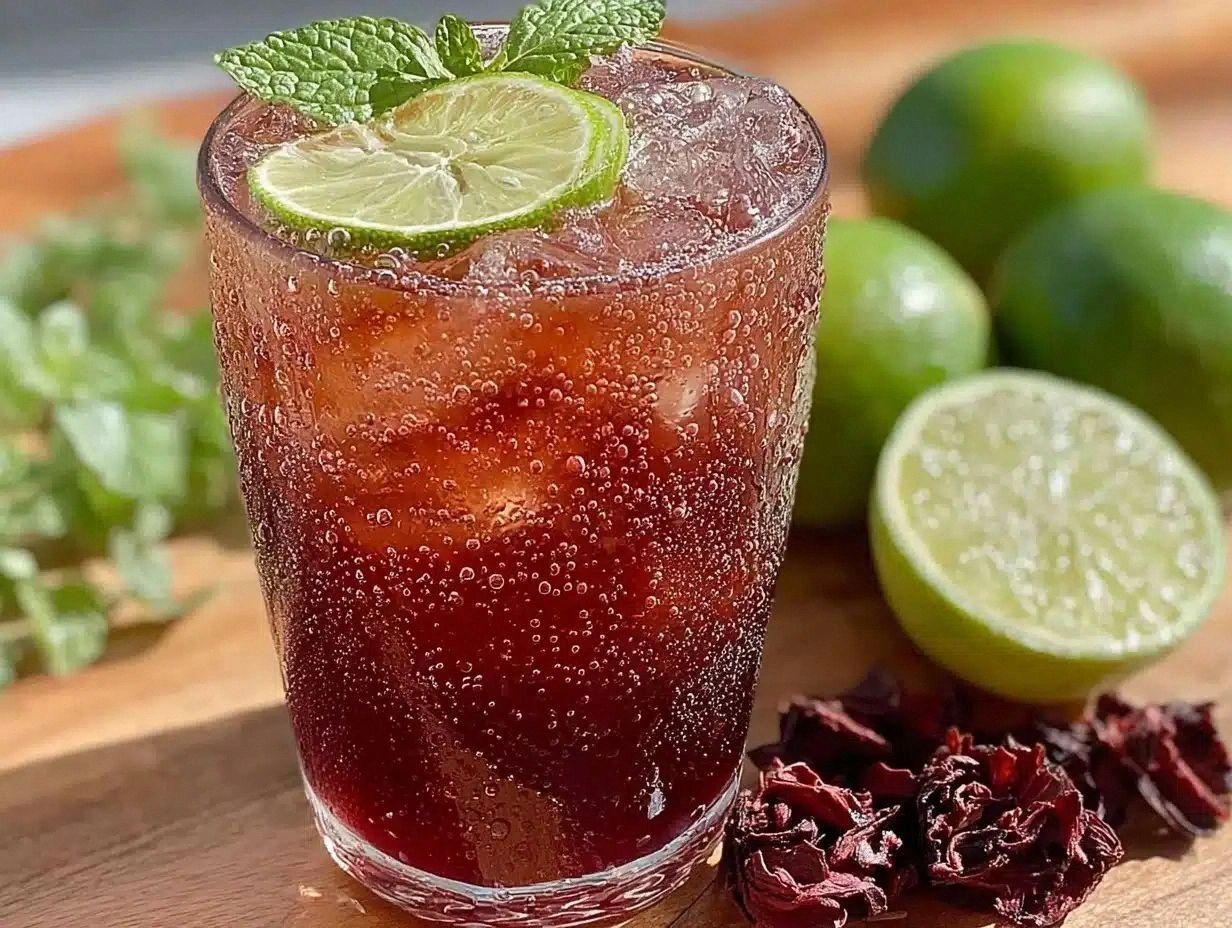
The Method — Step by Step
Gather all your ingredients and a large heat‑proof pitcher. I like to lay everything out on the counter like a mini‑assembly line; it keeps the process smooth and prevents you from scrambling for that missing lime. First, pour the 4 cups of filtered water into a medium saucepan and bring it to a gentle boil over medium‑high heat. You’ll know it’s ready when you see steady bubbles dancing across the surface—no frantic rolling boil, just a calm simmer.
Once the water is at a rolling simmer, turn off the heat and add the ½ cup of dried hibiscus flowers. Stir gently with a wooden spoon, making sure every petal is fully submerged. Let the mixture steep for exactly 10 minutes; this is where the magic happens. The water will turn a deep, ruby red, and you’ll catch a faint, fruity aroma that reminds you of cranberry juice mixed with a hint of rose. This is the moment of truth.
Kitchen Hack: Cover the pitcher with a clean kitchen towel while it steeps. The towel traps heat, ensuring the hibiscus extracts fully without losing its bright color.After the 10‑minute steep, strain the tea through a fine‑mesh sieve lined with cheesecloth into a clean bowl. Press the petals gently with the back of a spoon to extract every last drop of flavor. Discard the spent petals (or compost them—your garden will thank you). The resulting liquid should be a vivid, jewel‑tone red that looks almost too pretty to drink.
Now comes the tricky part: you’ll want to cool the hibiscus concentrate quickly to preserve its bright color and prevent bitterness. Transfer the hot tea to a large metal bowl, then set that bowl in an ice bath (a sink filled with ice water). Stir constantly; you’ll feel the temperature drop within a minute. Watch Out: If you let the tea sit at room temperature for too long, the tannins will release, turning the drink a dull brown and adding an unwanted astringent bite.
Watch Out: Avoid using a metal spoon that’s been in the freezer; the sudden temperature shock can crack the glass of your pitcher.Once the tea is chilled (you’ll know it’s ready when it feels cool to the touch), pour it back into the original pitcher. Add the freshly squeezed lime juice—about 2 medium limes should do the trick. Stir well; you’ll hear a faint fizz as the acidity interacts with the hibiscus, a sound that tells you the flavors are marrying perfectly.
Sweeten the mixture to taste. Start with ¼ cup of your chosen sweetener, stir until fully dissolved, then taste. If you’re a fan of a sweeter profile, inch it up to ⅓ cup. Pro tip: Adding honey while the tea is still slightly warm helps it dissolve completely, giving you a smoother texture.
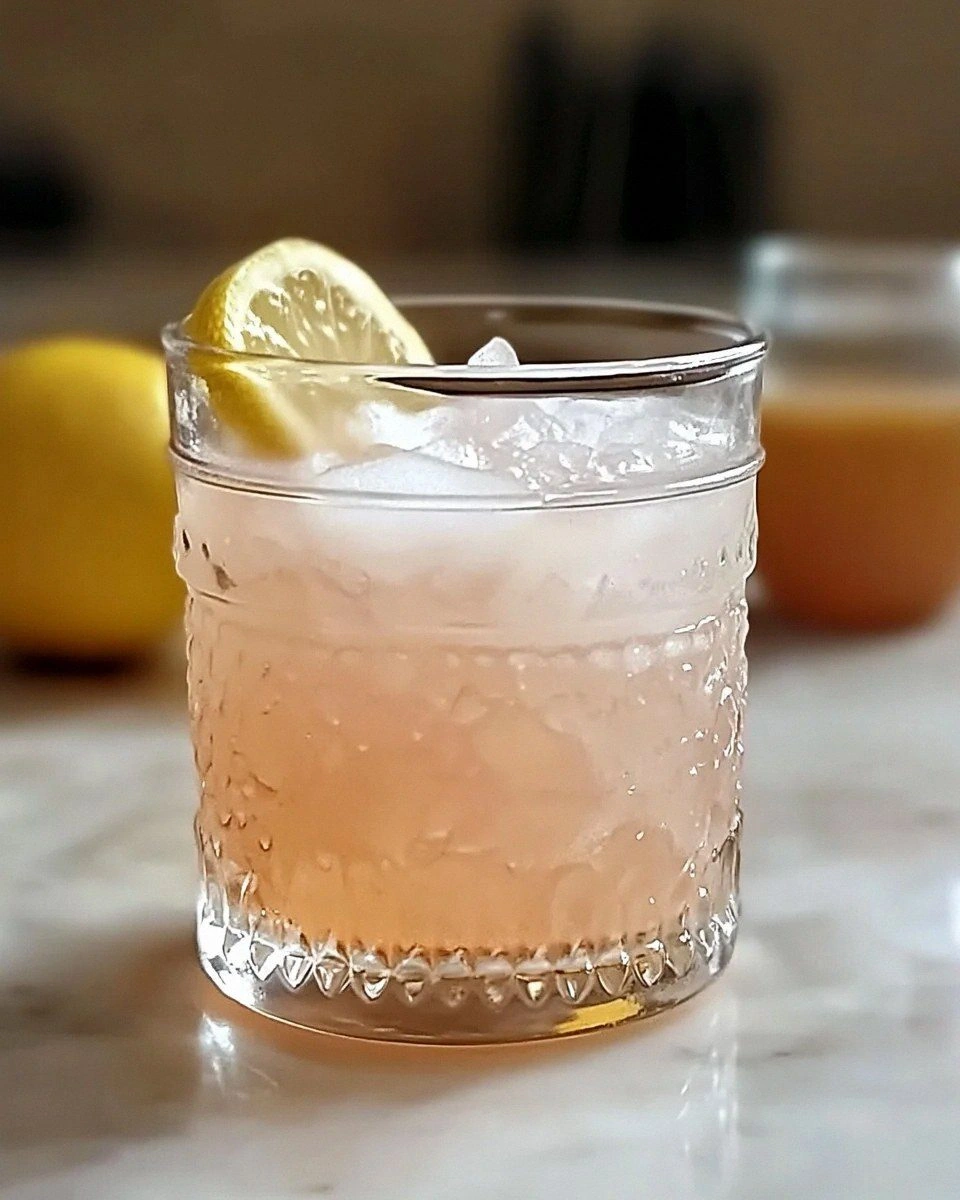
Kitchen Hack: If you’re using agave syrup, add it after the tea has fully cooled to preserve its delicate flavor notes.Now, fill glasses with generous handfuls of ice cubes. I like to use large, clear cubes because they melt slower, keeping the drink crisp. Pour the hibiscus‑lime mixture over the ice, watching the liquid cascade like a ruby waterfall. The visual contrast is pure Instagram gold.
Finish each glass with a garnish: a sprig of fresh mint leaves or a thin lime slice perched on the rim. The mint adds an aromatic lift, while the lime slice reinforces the citrus punch. Serve immediately, and watch your guests’ eyes widen with each sip. This next part? Pure magic.
That’s it — you did it. But hold on, I’ve got a few more tricks that’ll take this to another level, from turning it into a sparkling cocktail to storing it for the week ahead. Stay with me here — this is worth it.
Insider Tricks for Flawless Results
The Temperature Rule Nobody Follows
Most home cooks think “let it cool” means “leave it on the counter.” Wrong. The secret is a rapid cool‑down: an ice bath or even a blast chiller if you have one. This locks in the hibiscus’s vivid color and prevents the bitter tannins from leaching out. I once tried the “let it sit” method, and the final drink tasted like over‑steeped tea—definitely not the summer vibe I was aiming for.
Why Your Nose Knows Best
Before you add any sweetener, take a moment to sniff the chilled hibiscus‑lime base. If you detect a faint, almost floral perfume, you’re on the right track. If the scent is flat, you’ve either over‑steeped or under‑sweetened. Trust your nose; it’s a more reliable gauge than a timer.
The 5‑Minute Rest That Changes Everything
After you’ve mixed lime and sweetener, let the tea sit for five minutes. This short rest lets the flavors meld, creating a smoother, more cohesive taste. Skipping this step is like serving a song before the chorus—something feels missing.
The Ice Cube Strategy
Don’t just toss any ice into the pitcher. Freeze some of the hibiscus tea into cubes beforehand. As they melt, they release more flavor instead of diluting the drink. It’s a small extra step that yields a big payoff, especially at parties where the drink sits out for a while.
The Sweetener Swap
If you’re watching sugar, opt for agave syrup or a natural low‑calorie sweetener like stevia. Just remember: stevia is much sweeter than sugar, so start with a pinch and adjust. I once added too much stevia and ended up with a bitter aftertaste—lesson learned.
The Garnish Finale
Fresh mint isn’t just for looks; its menthol notes cut through the tartness and add a refreshing lift. Lightly slap the mint leaves between your palms before adding them to release their essential oils. The lime wheel, on the other hand, provides a visual cue that the drink is citrus‑forward. Pair both for a multi‑sensory experience.
Creative Twists and Variations
This recipe is a playground. Here are some of my favorite ways to switch things up:
Tropical Coconut Breeze
Swap half of the water for coconut water and add a splash of coconut milk. The result is a creamy, island‑inspired version that pairs beautifully with grilled pineapple.
Spicy Chili Lime
Stir in a pinch of finely chopped jalapeño or a dash of chili powder after adding the lime juice. The heat amplifies the lime’s brightness and makes the drink perfect for a summer BBQ.
Berry Fusion
Blend a handful of fresh strawberries or raspberries into the cooled hibiscus tea before adding ice. The berries add natural sweetness and a gorgeous magenta hue.
Herbal Green Tea Fusion
Replace half of the water with brewed green tea. The subtle grassy notes complement the hibiscus’s tartness, creating a sophisticated, antioxidant‑rich beverage.
Sparkling Version
Top each glass with club soda or sparkling mineral water just before serving. The bubbles lift the flavors and give the drink a festive, cocktail‑like feel.
Nighttime Nightcap
Add a splash of dark rum and a sprig of rosemary for an adult‑only version that’s perfect for sunset gatherings. The rum deepens the flavor, while rosemary adds an aromatic earthiness.
Storing and Bringing It Back to Life
Fridge Storage
Transfer any leftover hibiscus‑lime base (without ice or garnish) to a sealed glass jar and store it in the refrigerator. It will stay vibrant and flavorful for up to 5 days. Before serving, give it a good shake to reincorporate any settled particles.
Freezer Friendly
Pour the tea into ice‑cube trays and freeze. These hibiscus‑lime cubes are perfect for adding to water, soda, or even smoothies. They’ll keep for up to 3 months without losing potency.
Best Reheating Method
If you need to warm the tea (perhaps to make a hot hibiscus latte), add a tiny splash of water before heating. This prevents the tea from becoming too concentrated and preserves the bright color. Heat gently over low heat, stirring constantly, until just warm—no boiling.