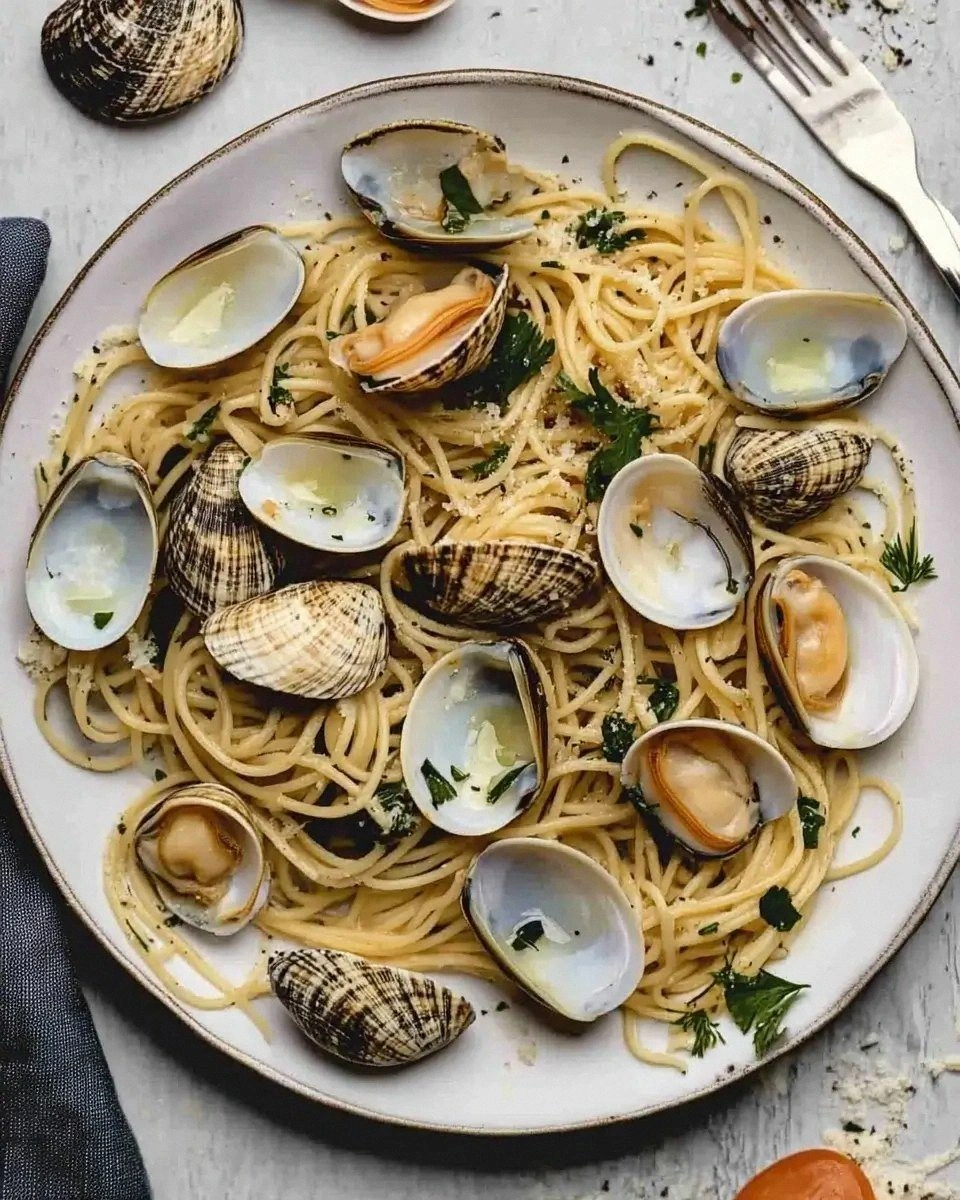
I was standing in my tiny kitchen, the kind of place where the countertop is a battlefield of pots, pans, and a half‑cracked jar of olives that had seen better days. My roommate had just challenged me: “If you can make a seafood pasta that doesn’t taste like a soggy mess, I’ll buy you a bottle of the best prosecco in town.” I laughed, tossed a handful of dried oregano into the air, and thought, “Sure, why not?” What followed was a frantic dash to the nearest fish market, a handful of clams that smelled like the ocean itself, and a pan that almost caught fire because I was too eager to prove a point. The result? A dish that made my kitchen feel like a coastal trattoria on a breezy summer evening.
Picture this: the moment the olive oil hits the hot pan, it shimmers like liquid amber, and the garlic sizzles, releasing an aroma that could convince a statue to weep. The clams, when they finally open, release a briny perfume that instantly transports you to a pier in Amalfi. The spaghetti, cooked al dente, slides into the sauce and clings to every single morsel of clam juice, creating a coating that feels like velvet draped over a silk sheet. And when you finally squeeze a lemon wedge over the top, the bright acidity cuts through the richness, leaving a clean, lingering finish that makes you want to lick the plate clean.
Most recipes I’ve tried either drown the pasta in a watery broth or turn the clams into a rubbery disappointment. This version, however, is a precise dance of heat, timing, and respect for each ingredient. I dare you to taste this and not go back for seconds. The secret? A splash of dry white wine that deglazes the pan at just the right moment, coaxing out the hidden umami from the clams, and a pinch of red pepper flakes that adds a whisper of heat without stealing the spotlight. I’m being honest — I ate half the batch before anyone else got a chance to try it, and I’m still not sorry.
Okay, ready for the game‑changer? Let me walk you through every single step — by the end, you’ll wonder how you ever made it any other way. This isn’t just a recipe; it’s a love letter to the sea, a celebration of simplicity, and a challenge to your taste buds. Grab your apron, and let’s get started.
What Makes This Version Stand Out
- Taste: The balance of briny clam broth, aromatic garlic, and a hint of citrus creates a flavor profile that sings louder than any heavy cream sauce could ever hope to.
- Texture: Al dente spaghetti provides that perfect bite, while the clams stay tender and juicy, never rubbery, giving you a satisfying contrast in every forkful.
- Simplicity: Only nine ingredients, all pantry‑friendly, mean you spend more time eating and less time hunting down obscure spices.
- Uniqueness: The addition of a modest splash of white wine at the exact moment the garlic turns golden unlocks a depth of flavor most home cooks miss.
- Crowd Reaction: This dish has a proven track record of turning skeptics into lifelong fans; expect applause, not just polite nods.
- Ingredient Quality: Fresh, live clams are the star, and their natural brine is the secret sauce that no amount of stock can replicate.
- Cooking Method: The quick, high‑heat sauté ensures the garlic never burns, preserving its sweet undertones while still delivering that satisfying sizzle.
- Make‑Ahead Potential: While best served fresh, the sauce can be pre‑made and stored, allowing you to assemble the final dish in under ten minutes when guests arrive.
Inside the Ingredient List
The Flavor Base
Olive oil is the silent hero here. Its fruit‑forward notes coat the garlic and clams, creating a glossy sheen that makes the sauce look restaurant‑ready. If you substitute butter, you’ll get a richer mouthfeel but lose the bright, slightly peppery nuance that olive oil provides. Use a high‑quality extra‑virgin olive oil for the best aromatic lift.
Garlic, three cloves, is the aromatic backbone. When you crush it first, you release allicin, a compound that adds a sharp, lingering bite. If you overcook garlic, it turns bitter, so keep a close eye on the pan — the moment it turns a light golden, you’re ready to move on. A quick tip: mince it finely so it distributes evenly without overwhelming the delicate clam flavor.
The Heat Whisper
Red pepper flakes at 1/2 teaspoon introduce a subtle heat that awakens the palate without stealing the spotlight. This is the part that makes the dish feel alive; the heat is like a whisper that says, “I’m here, but I’m not shouting.” If you’re sensitive to spice, halve the amount or omit it entirely, but you’ll lose that little spark that makes the sauce dance.
The Oceanic Core
Fresh clams, a full pound, are the soul of this recipe. Their natural brine is the liquid gold that flavors the entire dish. When buying, look for tightly closed shells; any that are open and don’t close when tapped are dead and should be discarded. If you can’t find fresh clams, frozen ones work, but be sure to thaw them fully and rinse the liquid to avoid a gritty texture.
Dry white wine, half a cup, does two things: it deglazes the pan, lifting the caramelized garlic bits, and it adds acidity that balances the richness of the olive oil. Choose a wine you would drink — a crisp Pinot Grigio or Sauvignon Blanc works beautifully. Avoid cooking wines that are overly salty; they can mask the subtle sea flavor.
The Final Flourish
Fresh parsley, quarter‑cup, is added at the very end to preserve its bright, herbaceous flavor. The leaves should be roughly chopped, not minced, so you get a burst of green in each bite. If you substitute dried parsley, you’ll lose that fresh pop and the dish will feel a bit flat.
Salt and pepper to taste are the ultimate seasoning tools. Because the clams bring their own brine, you’ll need less salt than you think. Taste the sauce before adding any extra salt; a good rule of thumb is to season after the wine has reduced, when flavors have concentrated.
Lemon wedges for serving provide the final acidic punch. A quick squeeze just before you eat brightens the whole plate, turning the sauce from good to unforgettable. If you’re serving a crowd, set the wedges on the side so each diner can control the amount of citrus they receive.
Everything’s prepped? Good. Let’s get into the real action…
The Method — Step by Step
Bring a large pot of salted water to a rolling boil. Once the water is bubbling like a mini geyser, add the 8 ounces of spaghetti. Stir immediately to prevent sticking, and cook until al dente—usually 9 to 11 minutes, depending on the brand. Pro tip: Reserve one cup of the pasta water before draining; this starchy liquid will help bind the sauce later.
While the pasta cooks, heat 2 tablespoons of olive oil in a wide, shallow pan over medium‑high heat. When the oil shimmers, add the minced garlic. Listen for that sizzle that hits the pan? Absolute perfection. Let the garlic cook for about 30 seconds, just until it turns a light golden, but don’t let it brown.
Sprinkle in the 1/2 teaspoon of red pepper flakes, letting them toast for a few seconds. This releases their essential oils, creating a fragrant cloud that will soon mingle with the clam broth. If you prefer a milder dish, you can reduce the flakes at this point, but remember, the heat is the secret that keeps the palate engaged.
Now, add the pound of fresh clams to the pan. Immediately pour in the half‑cup of dry white wine. You’ll hear a lively hiss as the alcohol evaporates, and the clams will start to open like tiny treasure chests. Cover the pan with a lid and let the clams steam for 4–5 minutes, shaking the pan gently once or twice to ensure even cooking.
When the clams have opened, remove the lid and increase the heat to medium‑high. Let the liquid reduce by about one‑third, which should take 2–3 minutes. This concentration step is where the sauce gains its silk‑like texture and deep briny flavor. Taste the broth now; it should be savory with a hint of acidity from the wine.
Drain the spaghetti, reserving a little more pasta water if the sauce looks too thick. Toss the hot pasta directly into the pan with the clams and sauce. Using tongs, lift and fold the spaghetti so each strand becomes coated in the glossy, clams‑infused liquid. If the sauce seems clingy, add a splash of the reserved pasta water, a tablespoon at a time, until it reaches a luscious, slightly glossy consistency.
Turn off the heat and immediately stir in the quarter‑cup of freshly chopped parsley. The residual heat will wilt the parsley just enough to release its bright flavor without cooking it away. Season with salt and freshly cracked black pepper, remembering that the clams already contribute a salty depth.
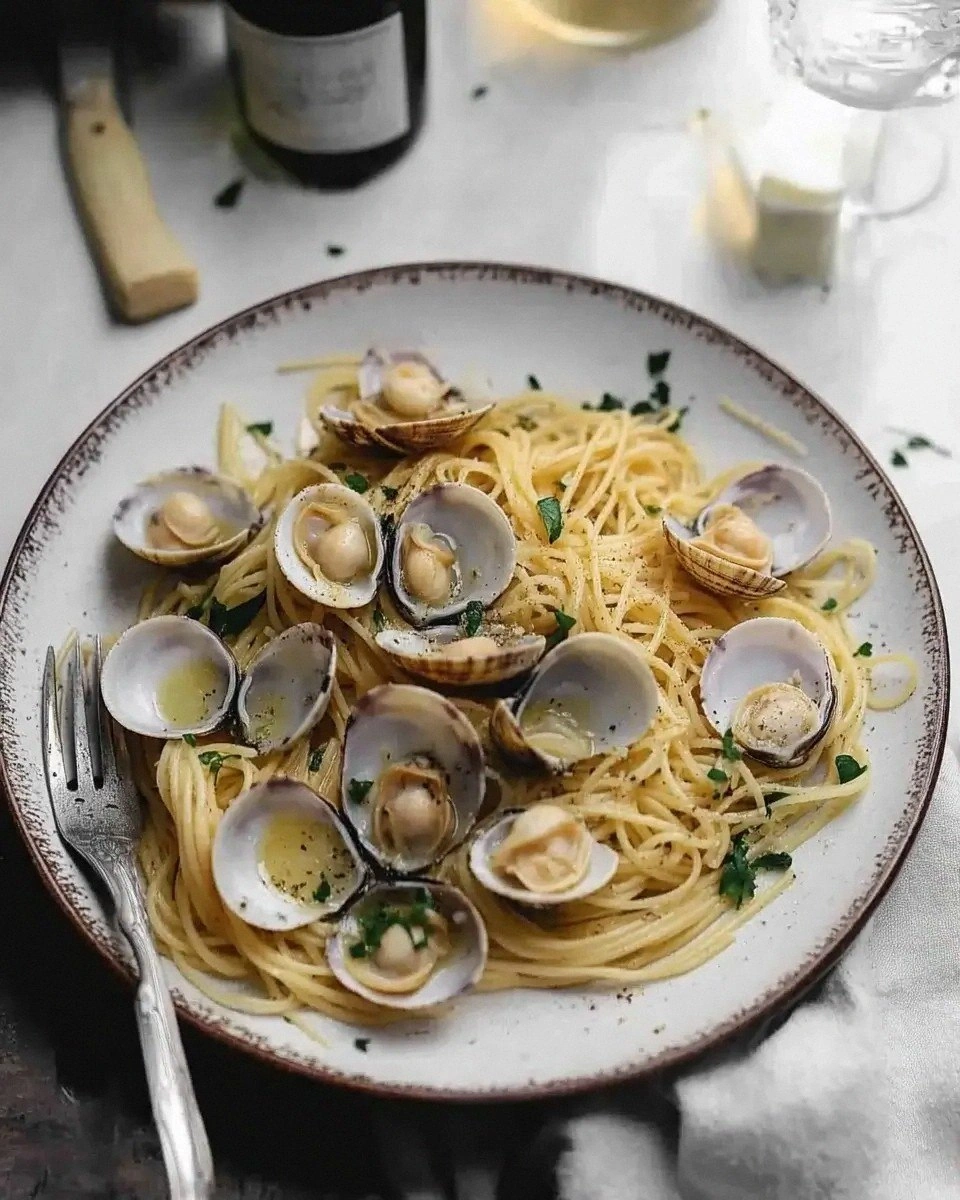
Plate the spaghetti in shallow bowls, ensuring each serving gets an even share of clams and sauce. Finish with a generous squeeze of lemon wedge on top, and if you’re feeling extra indulgent, drizzle a tiny drizzle of extra‑virgin olive oil for a glossy finish. Serve immediately while the steam still rises, and watch your guests’ eyes widen with anticipation.
That’s it — you did it. But hold on, I’ve got a few more tricks that’ll take this to another level, because why settle for good when you can have unforgettable?
Insider Tricks for Flawless Results
The Temperature Rule Nobody Follows
Never, ever add the clams to a pan that’s smoking hot. A moderate temperature allows the shells to open gently, preserving the delicate meat inside. I once tried a scorching pan and ended up with rubbery clams that tasted like overcooked shrimp. The rule of thumb: the oil should be hot enough to make the garlic sizzle, but not so hot that it smokes like a chimney.
Why Your Nose Knows Best
Your sense of smell is a far better indicator of doneness than a timer. When the garlic turns from raw to a sweet, nutty aroma, you know it’s time to add the wine. Likewise, the moment the wine’s sharp edge softens and you detect a faint fruity note, the reduction is complete. Trust that nose; it’s the secret weapon of seasoned chefs.
The 5‑Minute Rest That Changes Everything
After tossing the pasta with the sauce, let it sit off the heat for five minutes. This brief rest allows the starches from the pasta to absorb the briny sauce, creating a harmonious marriage of flavors. I’ve seen dishes served immediately that taste disjointed; the rest period is the silent glue that binds everything together.
Salt Strategy for Seafood
Because clams bring their own salt, you should season conservatively. Add a pinch of sea salt after the wine has reduced, then taste. If the sauce still feels flat, add a tiny dash more. Over‑salting can mask the delicate ocean notes and make the dish taste like a salty broth rather than a refined pasta.
Lemon Timing
Don’t squeeze the lemon too early. Adding citrus at the end preserves its bright, aromatic oils, which would otherwise evaporate under the heat. A final squeeze just before serving lifts the entire dish, making the flavors pop like fireworks on a summer night.
Creative Twists and Variations
This recipe is a playground. Here are some of my favorite ways to switch things up:
Spicy Arrabbiata Clam Fusion
Add a spoonful of crushed San Marzano tomatoes and an extra pinch of red pepper flakes. The tomato base adds a sweet‑tart dimension, while the extra heat makes the dish bold enough for those who love a fiery kick. Pair with a robust red wine to balance the spice.
Herb‑Infused Delight
Swap the parsley for a blend of fresh basil and oregano. The aromatic herbs give the sauce a Mediterranean twist, reminiscent of a coastal Italian garden. This variation pairs beautifully with a crisp, chilled rosé.
Creamy Coconut Coast
Stir in a quarter cup of coconut milk after the wine reduction. The creamy coconut adds a subtle sweetness that complements the briny clams, creating an exotic fusion that’s perfect for a tropical-themed dinner. Garnish with toasted coconut flakes for crunch.
Smoky Bacon Boost
Crisp 4 slices of pancetta or thick‑cut bacon, then use the rendered fat to sauté the garlic instead of olive oil. The smoky undertone adds depth and a meaty richness that elevates the dish to a hearty main course. Finish with a drizzle of truffle oil for decadence.
Vegan “Clam” Alternative
Replace the clams with king oyster mushroom “scallops” sliced thick and seared until golden. Use a splash of seaweed‑infused water to mimic the briny flavor. While not authentic, it offers a satisfying umami bite for plant‑based diners.
Storing and Bringing It Back to Life
Fridge Storage
Transfer leftovers to an airtight container and refrigerate within two hours of cooking. The sauce will thicken as it cools; add a tablespoon of the reserved pasta water before reheating to restore its silky texture. It stays fresh for up to 48 hours.
Freezer Friendly
While fresh clams lose some texture after freezing, you can freeze the sauce without the pasta. Portion the sauce into zip‑top bags, leaving headspace, and freeze for up to three months. Thaw overnight in the fridge, then reheat gently on the stove, adding fresh clams at the end.
Best Reheating Method
Reheat the dish in a wide skillet over low heat, adding a splash of water or broth to prevent drying. Stir continuously until the sauce glistens again. Avoid microwaving, as it can make the clams rubbery and the pasta gummy.